
How To
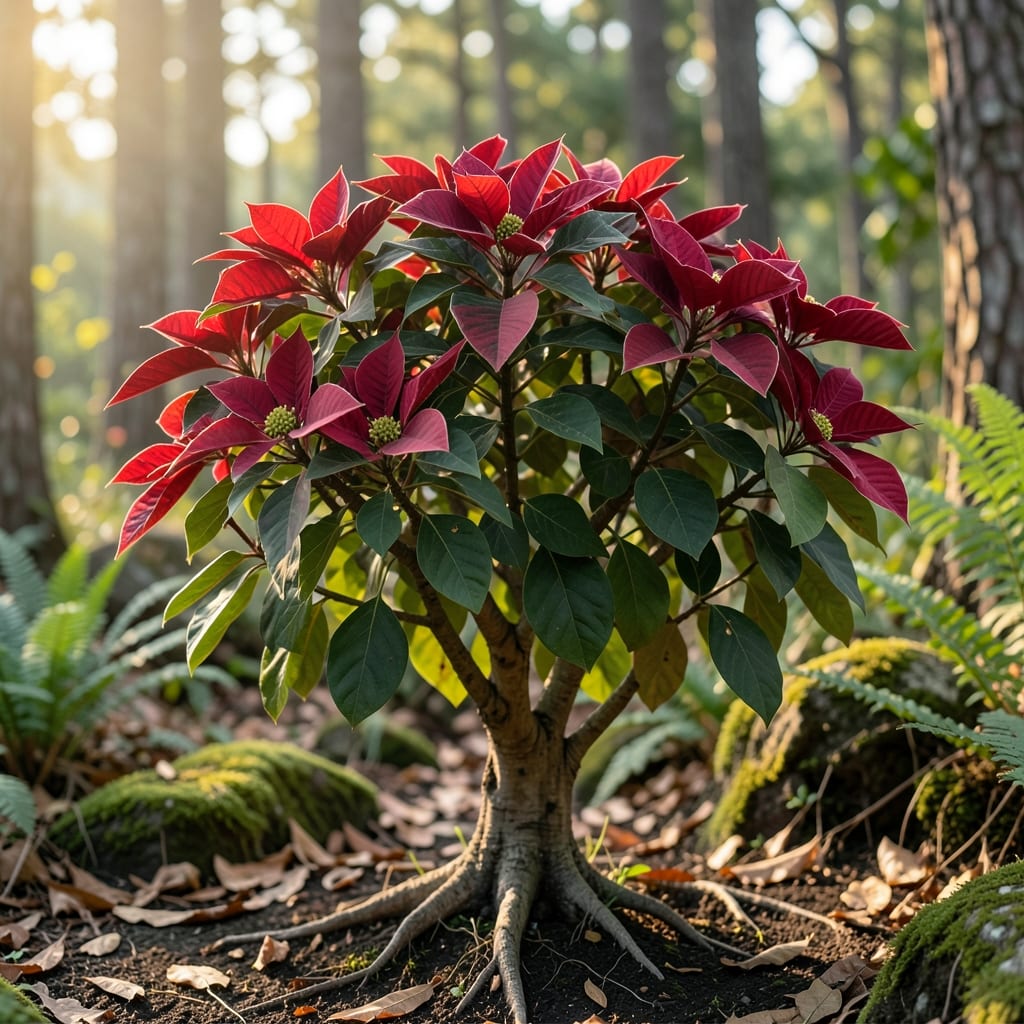
If you’ve ever wondered how tall can poinsettias grow in the wild, the answer might surprise you—these vibrant plants can stretch to 10 feet or more when left unpruned in their native Mexican highlands. Unlike the compact holiday plants we know, wild poinsettias thrive as small trees, their striking red bracts reaching towering heights under ideal conditions.
For gardeners curious about the difference, domestication plays a huge role—cultivated varieties are bred for manageable sizes, often maxing out at 3-6 feet even with proper care. But in their natural habitat, where they bask in full sun and rich soil, these plants grow wild, defying the expectations of their potted counterparts.
So, what’s the secret to encouraging natural growth? It’s all about environment—warm climates, ample sunlight, and minimal pruning let wild poinsettias reach their full potential. Whether you’re dreaming of a backyard giant or just fascinated by their wild side, understanding these differences can transform how you grow (and admire) these plants.
Let’s explore how wild poinsettias compare to the ones gracing your holiday table—and how you might just coax a little extra height from your own 🎄 this season.


Poinsettia height in the wild: species breakdown and natural growth limits
Wild poinsettias, specifically Euphorbia pulcherrima, can reach 10 feet or taller in their native Mexican highlands when left unpruned. This dramatic height difference stems from their natural habitat—warm, tropical climates with abundant sunlight and nutrient-rich soil. Unlike their 3-6 foot cultivated cousins, wild varieties grow as small trees, their red bracts becoming a dominant feature in their ecosystem.
In ideal conditions, wild poinsettias thrive in USDA zones 9b-12, where they experience year-round warmth and minimal temperature fluctuations. These plants grow fastest during the spring and summer months, when they receive 6+ hours of direct sunlight daily. Without pruning, their woody stems can thicken over time, supporting their towering height.
The most impressive growth occurs in subtropical rainforests and open woodlands, where they compete for light. Botanists have recorded wild specimens exceeding 12 feet in rare cases, though 8-10 feet is more common. Their natural spread can reach 5-6 feet wide, creating a dense, bushy appearance.
| Species/Variety | Max Height (Wild) | Growth Conditions | Notes |
|---|---|---|---|
| Euphorbia pulcherrima | 8-12 ft | Tropical rainforests, full sun | Most common wild type |
| Euphorbia cyathophora | 3-5 ft | Drier subtropical zones, partial shade | Smaller relative, invasive in some areas |
| Hybrid wild types | 6-10 ft | Transition zones, mixed light | Cross-pollinated in nature |
Regional variations play a key role in poinsettia height. In Mexico's highland regions, where temperatures stay warm year-round, growth is most vigorous. However, in subtropical edges like southern Texas or Florida, wild poinsettias may only reach 6-8 feet due to cooler winters and occasional frost.
Soil quality also impacts height—wild poinsettias thrive in well-draining, slightly acidic soil (pH 6.0-6.5). In nutrient-poor soils, their growth slows, and they may only reach 4-6 feet. The rich, organic matter found in tropical forest floors provides the perfect environment for their rapid growth.
Interestingly, wild poinsettias produce more lateral branches than cultivated varieties, which contributes to their bushy, tree-like structure. These branches can grow at 1-2 feet per year under optimal conditions, leading to their impressive height over time.
For gardeners curious about natural growth, understanding these factors is key. While you won’t replicate a 10-foot poinsettia in a typical backyard, creating the right conditions—warmth, sunlight, and minimal pruning—can encourage taller growth than what you’d see in a store-bought plant.
Next, let’s explore why your houseplant poinsettia stays so much shorter—and how domestication plays a surprising role in their size 🌱.
Why your houseplant poinsettia stays short: pruning, genetics, and care differences
Your holiday poinsettia might reach 3-4 feet with perfect care, but that’s a fraction of its wild potential. The difference comes down to selective breeding—cultivated varieties are bred to stay compact, while wild types grow unchecked. Commercial growers prioritize bushy, colorful bracts over height, often pruning aggressively to maintain manageable sizes for retail sales.
Indoor conditions also play a role. Wild poinsettias thrive in tropical climates with year-round warmth, while most houseplants face cooler temperatures, shorter daylight hours, and limited space. These factors slow growth dramatically—indoor poinsettias often grow just 1-2 feet per year, compared to 2-3 feet annually in their native habitat.
Another key factor is root restriction. Wild plants develop extensive root systems in nutrient-rich soil, while potted varieties hit root-bound limits quickly. Without repotting every few years, growth stalls entirely. Even with ideal care, most store-bought poinsettias are genetically predisposed to stay small—breeders prioritize bloom size over height.
| Trait | Wild Poinsettia | Cultivated Poinsettia |
|---|---|---|
| Max Height | 8-12 ft | 3-5 ft |
| Growth Rate | 2-3 ft/year | 1-2 ft/year |
| Pruning Needs | Minimal (natural shape) | Frequent (compact shape) |
| Soil Type | Rich, organic | Potting mix |
| Light Needs | Full sun | Bright indirect |
Even with perfect care, your potted poinsettia will never match wild heights because of genetic modification. However, you can encourage slightly taller growth by avoiding heavy pruning, using larger pots, and providing warmth and humidity—mimicking their native conditions as closely as possible. Some heirloom varieties retain more of their wild growth habits, making them ideal for gardeners who want a taller poinsettia experience.
For those in USDA zones 9b-12, planting poinsettias outdoors can yield 4-6 foot plants—closer to their wild potential. The key is minimal intervention: let them grow freely, protect from frost, and provide well-draining soil. With these adjustments, you might just grow a poinsettia that rivals its wild cousins in stature 🌿.
Ready to try? In the next section, we’ll cover practical tips for growing taller poinsettias—whether in pots or your garden—so you can experience their full height potential at home ✂️.