
Size
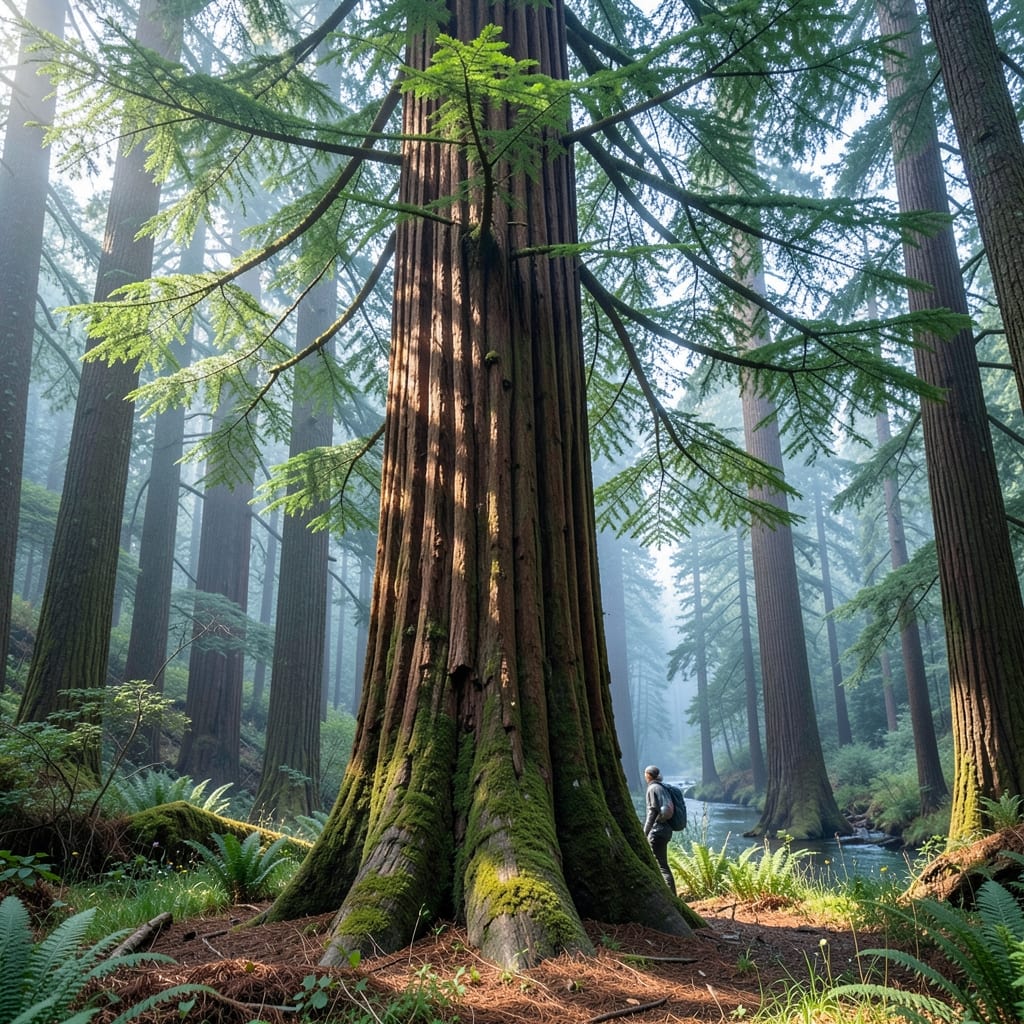
When you imagine how tall redwood trees can grow, your mind probably pictures something straight out of a fantasy novel—but these coastal giants 🌲 aren’t fiction. These tallest trees on Earth can soar to heights of 380 feet, making them the undisputed champions of the plant kingdom. What makes them grow so tall, and could you ever grow one in your backyard?
The secret to their staggering height lies in a combination of ideal conditions: coastal fog, nutrient-rich soil, and zero competition for space. Unlike many trees, redwoods grow fast in their youth, adding 3-4 feet per year before slowing as they mature. But here’s the catch—without the perfect environment, even a sapling won’t reach its full potential.
If you’ve ever dreamed of planting a redwood, you’ll need more than just enthusiasm. We’ll break down the science behind their growth, the climate they crave, and whether a dwarf variety could ever fit in your garden. Spoiler: It’s not as simple as digging a hole.
Ready to uncover the secrets behind these ancient skyscrapers? Let’s dive into how redwoods defy gravity—and what it takes to grow one yourself.


The record-breaking height of redwood trees: how they reach 380 feet
Redwood trees—specifically coast redwoods (Sequoia sempervirens)—hold the world record for tallest trees on Earth, with the Hyperion tree standing at a staggering 380 feet (115.8 meters). To put that in perspective, that’s taller than a 30-story building or the height of the Statue of Liberty from base to torch. But how do these giants defy physics and gravity to reach such heights? The answer lies in their genetic growth strategies, unique anatomy, and ideal coastal climate.
The secret starts with their rapid early growth. Young redwoods can grow 3-4 feet per year in perfect conditions, thanks to their efficient water transport system. Their wide, shallow root systems spread out to absorb moisture from the foggy coastal air, while their hollow cores reduce weight without sacrificing structural integrity. This combination allows them to grow taller without toppling over, even in high winds.
Another key factor is their thick, fire-resistant bark, which protects them from wildfires—a common hazard in their native California redwood forests. This adaptation allows redwoods to survive and continue growing for thousands of years, with some specimens dating back over 2,000 years. Their ability to self-prune dead branches also reduces drag, helping them maintain stability as they reach for the sky.
🌲
| Growth Factor | Key Details | Impact on Height |
|---|---|---|
| Genetics | Fast-growing species with rapid cell division | Adds 3-4 feet/year in ideal conditions |
| Coastal Fog | Absorbs moisture through foliar uptake | Supports continuous growth year-round |
| Hollow Core | Reduces weight while maintaining structural strength | Allows taller, lighter trunks |
| Fire Resistance | Thick, tannin-rich bark survives wildfires | Enables long-term survival and growth |
| Self-Pruning | Sheds dead branches to reduce wind resistance | Maintains stability at extreme heights |
The coastal redwood’s dominance in height isn’t just about genetics—it’s also about their ideal growing conditions. The foggy, mild climate of Northern California provides a consistent moisture supply without extreme temperature swings. Unlike many trees, redwoods don’t enter true dormancy, allowing them to grow almost year-round. Their shallow but extensive root systems also enable them to tap into underground water sources, further fueling their vertical expansion.
Interestingly, redwoods don’t grow at the same rate their entire lives. The fastest growth occurs in their first 50-100 years, with some specimens adding over 6 feet per year during this phase. After reaching maturity, their growth slows to just 1-2 feet per year, but they continue to add height for centuries. This gradual ascent is what allows them to eventually surpass 300 feet and beyond.
For comparison, the giant sequoia (Sequoiadendron giganteum), another massive tree species, grows wider rather than taller, with some reaching 275 feet in height but boasting huge trunk diameters (up to 36 feet!). The redwood’s vertical focus, however, makes it the undisputed champion of height in the tree world.
If you’ve ever wondered how these trees avoid snapping under their own weight, the answer lies in their flexible, fibrous wood. Redwoods have a unique ability to bend without breaking, thanks to their spiral grain pattern. This adaptability allows them to sway in high winds—sometimes 100 feet or more at the top—without suffering structural damage. It’s a remarkable feat of nature’s engineering!
🌳
Key factors that influence redwood tree height: climate, genetics, and competition
Redwoods don’t just grow tall—they evolve to dominate their environment. Their staggering heights aren’t random; they’re the result of a perfect storm of conditions, including coastal fog, nutrient-rich soil, and minimal competition. Unlike many trees, redwoods thrive in high-humidity environments, where fog provides up to 40% of their water needs during dry summer months.
Their native habitat along California’s foggy coast creates an ideal microclimate. Here, temperatures stay mild year-round, and the constant moisture prevents the wood from drying out. This allows redwoods to grow rapidly in their early years, reaching 6 feet in just 5 years—a pace that continues for decades. Without these conditions, their growth slows dramatically.
| Factor | Impact on Height | Optimal Conditions |
|---|---|---|
| Coastal Fog | Provides 30-40% water; prevents drought stress | High humidity (70%+), frequent mist |
| Soil Composition | Rich, well-draining; high organic matter | pH 5.5-7.0, loose texture |
| Competition | Minimal understory; unobstructed growth | Open canopy, sparse vegetation |
| Genetics | Fast early growth; hollow cores reduce weight | Native Sequoia sempervirens species |
Genetics also play a critical role in their height. Redwoods have hollow cores that act like scaffolding, allowing them to grow taller without collapsing under their own weight. Their wide, shallow root systems spread out to capture moisture and nutrients efficiently. In contrast, trees like Douglas firs or Ponderosa pines grow tall but lack the same structural adaptations, capping their heights at 300 feet or less.
When it comes to competition, redwoods win by default. Their native forests have minimal understory vegetation, giving them unobstructed access to sunlight and resources. In crowded environments, like urban parks or smaller gardens, redwoods grow much slower—sometimes reaching only 50-100 feet due to limited space and resources. This is why the tallest redwoods are always found in remote, undisturbed coastal groves.
For comparison, the tallest non-redwood tree, a coastal Douglas fir, maxes out at 320 feet. Even the giant sequoias (their cousins) rarely exceed 275 feet in height. The redwood’s dominance in height is a testament to its adaptability to foggy, nutrient-rich environments—a combination no other tree species matches.
If you’re dreaming of growing a redwood, remember: climate and space are non-negotiable. Without the coastal fog and open canopy of their native habitat, even the hardiest redwood sapling will struggle to reach its full potential. But with the right conditions, these giants will keep reaching for the sky—one 380-foot at a time. 🌲