
How To
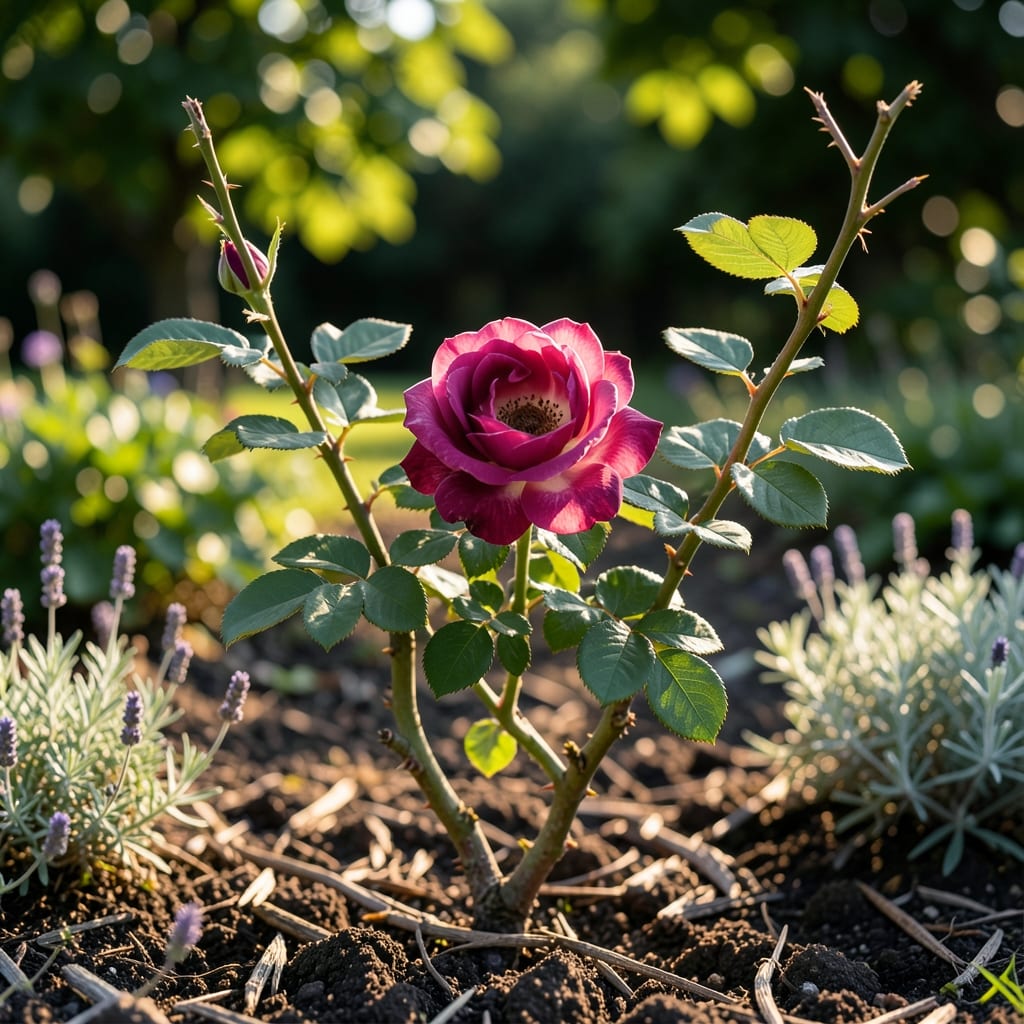
Ever wondered how tall these rose bushes can grow—whether your garden could feature a dramatic 15-foot rose tower or a dainty 2-foot patio beauty? The answer lies in understanding how tall rose bushes can grow—and how to shape their height with simple pruning tricks.
From delicate climbers that scale trellises to sturdy shrubs perfect for borders, roses come in all sizes. But here’s the game-changer: with the right techniques, you can control their growth to fit your space perfectly. Whether you’re planning a dramatic vertical garden or a neat container display, knowing what influences height is your secret weapon.
Some roses naturally reach sky-high, while others stay compact, but pruning is the key to unlocking their full potential. I’ll show you how to keep your 🌹 rose bushes at your ideal height—whether that’s a 3-foot hedge or a 10-foot archway—without sacrificing beauty or health.
Ready to transform your garden? Let’s dive into the pruning strategies that will give you roses of any height—exactly how you want them.


Rose bush height ranges: from miniature to towering climbers (with pruning zones)
Rose bushes can grow anywhere from 2 feet to over 20 feet, depending on the variety and care. The miniature roses stay under 2 feet, perfect for containers or edging, while climbing roses like 'New Dawn' can reach 15–20 feet with proper support. Understanding these ranges helps you choose the right rose for your space and prune it to maintain your desired height.
Most gardeners focus on three main height categories: dwarf (1–3 ft), standard (4–6 ft), and climber/rambler (10–20 ft). Each category requires different pruning approaches to control growth. For example, a 3-foot floribunda needs light pruning to encourage bushiness, while a 15-foot rambler demands aggressive pruning to keep it manageable on a trellis.
Here’s how tall different rose types can grow—and how to prune them to stay within your ideal height range:
| Rose Type | Natural Height Range | Pruning Zone | Best For |
|---|---|---|---|
| Miniature | 1–2 ft | Light (trim deadwood) | Containers, borders |
| Shrub (Floribunda) | 3–5 ft | Moderate (1/3 of growth) | Bushes, hedges |
| Climbing | 10–15 ft | Aggressive (renewal pruning) | Trellises, arches |
| Rambler | 15–20 ft | Heavy (prune after flowering) | Perennial trellises |
| Standard (Tree Rose) | 4–6 ft | Minimal (shape canopy) | Focal points, lawns |
The pruning zone is where you focus your cuts to control height. For shrub roses, prune back to 1/3 of the plant’s height in early spring to encourage bushier growth. Climbing roses, however, need renewal pruning—cutting back old canes to 2–3 buds from the base to redirect energy upward.
If you’re growing ramblers, which can reach 20 feet, prune them immediately after flowering to keep them from becoming unmanageable. This type thrives on minimal pruning but benefits from annual thinning to remove weak canes.
For standard roses, which resemble small trees, focus on shaping the canopy rather than reducing height. Prune to open the center and encourage airflow, which prevents disease and keeps the plant healthy.
Soil and climate also play a role in height. Roses in rich, well-draining soil with full sun grow taller and fuller, while those in poor soil or shade may stay shorter but produce fewer blooms. Adjust your pruning approach based on your local conditions.
Want to keep your roses compact? Use container gardening or regular pruning to stunt growth. For taller roses, provide strong support like trellises or stakes and prune aggressively to guide their upward trajectory.
With the right techniques, you can shape your roses to fit any space—whether you’re aiming for a 2-foot patio display or a 15-foot garden focal point. The key is understanding your rose’s natural growth habit and pruning with purpose.
Ready to start pruning? Grab your shears and let’s shape those roses into your dream garden! ✂️🌹
Step-by-step pruning guide to control rose bush heights (seasonal timing included)
Pruning is the ultimate tool to keep your rose bushes at your desired height—whether you want a 3-foot hedge or a 10-foot trellis. The key is timing, technique, and knowing how much to cut back. I’ve pruned roses for years, and I’ve learned that seasonal pruning makes all the difference in controlling height while keeping your roses healthy and blooming.
Most gardeners make the mistake of pruning at the wrong time, which can stunt growth or encourage rampant climbing. The best time to prune depends on your rose type and climate. For shrub roses, late winter or early spring is ideal, while climbing roses benefit from a two-step prune—once in late winter and again after flowering. Always use sharp, clean pruners to avoid damaging stems.
🌹 Pro Tip: Never prune when roses are flowering unless you’re shaping a climber. Cutting back during bloom season can reduce flowers for months.
🔹 Step 1: Late Winter Pruning (Dormant Season)
- When: Just before new growth starts (late February–March in most zones).
- What to cut: Remove dead, diseased, or crossing branches first. Then cut back remaining canes to 1/3 of their height for shrub roses.
- Angle: Make cuts 45 degrees above an outward-facing bud.
- Why: Encourages strong, upright growth for the season.
🔹 Step 2: Post-Flowering Pruning (Summer)
- When: After 50% of blooms have faded (June–July).
- What to cut: Trim back spent blooms and any leggy growth by 1/4 to 1/3.
- Climbers only: Lightly prune to shape vines and remove weak growth.
- Why: Promotes a second flush of blooms and keeps height manageable.
🔹 Step 3: Light Maintenance (Fall)
- When: Late September–October, after first frost risk passes.
- What to cut: Remove dead or weak canes and thin out crowded branches.
- Avoid heavy cuts: Only trim to shape, not reduce height drastically.
- Why: Prepares roses for winter dormancy without stressing new growth.
For climbing roses, which can reach 10–15 feet if unchecked, prune more aggressively in late winter to control height. Cut back long canes to 3–5 main stems and remove any that rub against each other. After flowering, lightly trim to encourage more blooms along the remaining branches.
If your roses are overgrown, don’t panic—just prune in stages over 2–3 years. Cut back 1/3 each year to avoid shocking the plant. For miniature roses (under 2 feet), minimal pruning is needed—just remove dead wood and shape lightly after blooming.
Remember, the goal is balance: enough pruning to control height, but not so much that you sacrifice blooms or health. With these steps, you’ll have roses that stay exactly where you want them—whether that’s a compact border or a soaring trellis. Happy pruning! ✂️🌿