
Flowers
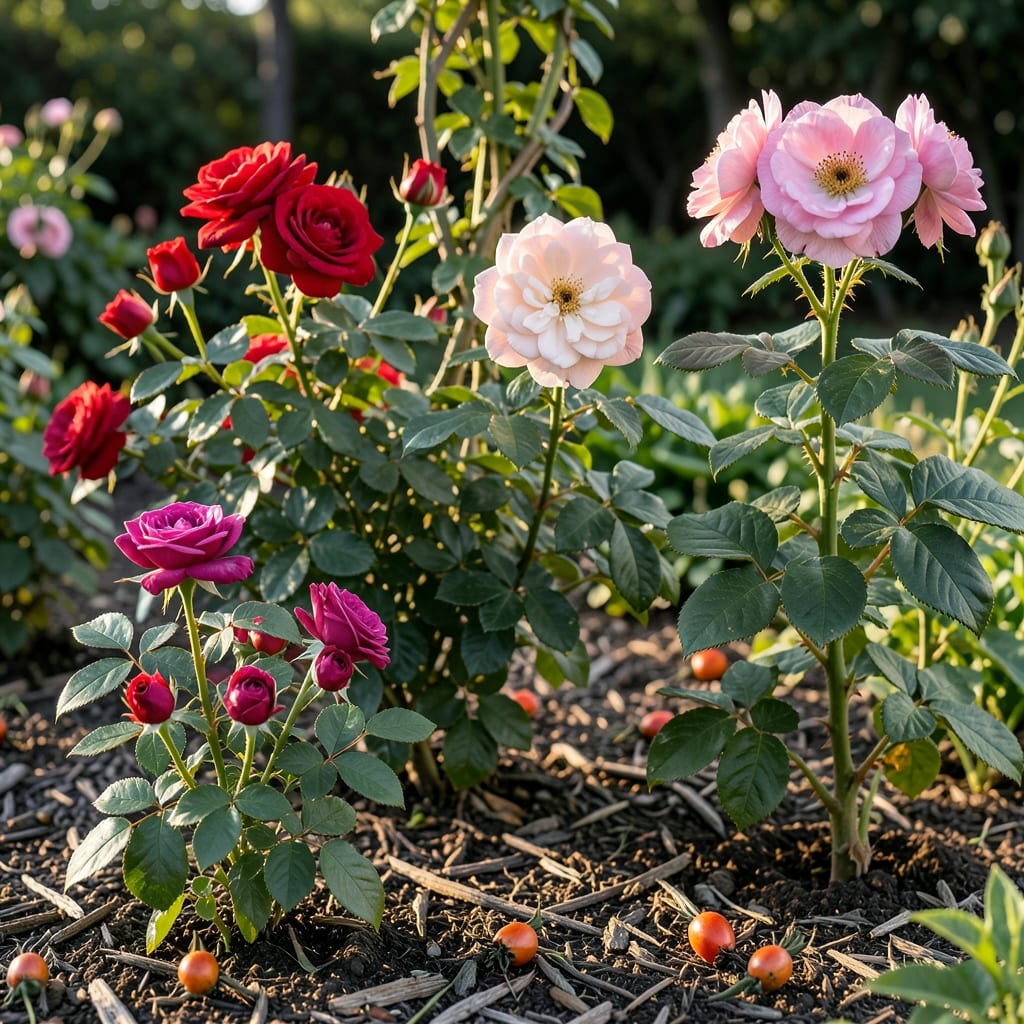
Ever stared at a 20-foot-tall climbing rose and wondered how roses can grow that tall in your own garden? The answer lies in understanding how tall roses can grow—and how your climate, soil, and pruning habits shape their height. From delicate miniature roses that barely reach your knee to towering climbers that scale trellises like living ladders, the possibilities are as varied as the roses themselves.
If you're in Zone 6a like many gardeners, you're in luck—spring-planted roses thrive here, but their mature height depends on the variety you choose. A shrub rose might stay a modest 3-5 feet, while a well-trained climber could stretch to 10 feet or more. The key isn’t just picking the right rose; it’s giving it the care it needs to reach its full potential.
Pruning isn’t just about keeping roses tidy—it’s the secret weapon for controlling height and encouraging stronger blooms. Whether you’re dealing with a dwarf rose that stays under 2 feet or a standard rose that could top out at 6 feet, the right cuts at the right time make all the difference. Let’s break down how to harness this power so your roses grow exactly as you envision.
Ready to transform your garden into a vertical masterpiece? You’ll discover which rose varieties suit your space, how climate affects growth, and the simple pruning tricks that keep roses healthy—and at the perfect height. Let’s get started!

Rose height by variety: from dwarf to climbing giants (with Zone-specific data)
Choosing the right rose variety is the first step to achieving your dream garden height. Roses aren’t one-size-fits-all—they range from miniature roses that fit in a pot to climbing roses that can scale a two-story trellis. Even within the same type, like shrub roses, heights can vary by 3 feet or more depending on your USDA zone and pruning habits.
For example, a dwarf rose like ‘Fairy’ stays under 2 feet, making it perfect for window boxes or small gardens, while a climbing rose such as ‘New Dawn’ can reach 15-20 feet when trained properly. The key is matching the variety to your space and climate. In Zone 6a, where many gardeners live, some varieties will naturally grow taller due to longer growing seasons.
Here’s a quick breakdown of what to expect from popular rose types, including their mature heights and zone compatibility:
| Variety Type | Mature Height | USDA Zones | Best For |
|---|---|---|---|
| Miniature Roses | 1-3 ft | 3-10 | Containers, small gardens, borders |
| Shrub Roses | 3-6 ft | 3-9 | Hedges, mass planting, mixed borders |
| Hybrid Tea Roses | 3-5 ft | 5-10 | Cut flowers, formal gardens, trellises |
| Climbing Roses | 10-20+ ft | 4-9 | Arbors, pergolas, fences, walls |
| Ground Cover Roses | 1-2 ft (spreading) | 3-10 | Slopes, erosion control, under trees |
If you’re in Zone 6a, you’ll find that shrub roses and hybrid teas thrive with minimal winter protection, while climbing roses may need extra care to reach their full height potential. For instance, a ‘Blaze’ shrub rose will naturally grow taller in warmer zones like Zone 8 compared to Zone 6a, where it might stay closer to 4 feet without aggressive pruning.
Pruning plays a huge role in controlling height. A climbing rose left unpruned can become a tangled mess, while one trained with regular cuts can be shaped into a neat, vertical masterpiece. Even dwarf roses benefit from light pruning to encourage bushier growth. The goal is to remove dead or weak canes while leaving enough healthy stems to support the rose’s natural height goals.
For Zone 6a gardeners, I recommend starting with shrub roses or miniature varieties if space is limited. They’re forgiving, low-maintenance, and perfect for adding color without overwhelming your garden layout. If you’re dreaming of a vertical garden, a climbing rose like ‘Zephirine Drouhin’ can be a stunning centerpiece when trained on a trellis or arbor.
Pro tip: Always check the mature height of a rose before planting. A 6-foot rose planted too close to a fence or patio will quickly outgrow its space, leading to frustration. Leave at least 3-5 feet of clearance around climbing roses to allow for proper air circulation and pruning access.
Ready to pick the perfect rose for your space? Start by sketching your garden layout and measuring the height of nearby structures. This way, you’ll avoid the common mistake of planting a 10-foot climber in a 5-foot-wide garden bed—trust me, it happens more often than you’d think! 🌹
Rose height by variety: from dwarf to climbing giants (with Zone-specific data)
Choosing the right rose variety is the first step to achieving your dream garden height. Roses aren’t one-size-fits-all—some stay compact enough for container gardens, while others grow tall enough to cover pergolas or climb trellises. Even within the same category, heights can vary by 10 feet or more depending on the variety. For example, a miniature rose might reach just 1-2 feet, while a climbing rose like 'New Dawn' can stretch to 15 feet or taller.
Your USDA climate zone also plays a critical role in how tall roses grow. In warmer zones (7-10), roses often grow taller and more vigorously, while in colder zones (3-6), growth may be slower, and pruning becomes essential to encourage height. For instance, a shrub rose in Zone 5 might max out at 4-5 feet, but the same variety in Zone 8 could reach 6 feet or more.
Here’s a quick breakdown of rose types by height:
- Dwarf roses: 1-2 feet (ideal for window boxes or rock gardens)
- Semi-dwarf roses: 3-4 feet (perfect for border gardens)
- Standard roses: 5-6 feet (great for backyard focal points)
- Climbing roses: 10-20+ feet (best for trellises, arbors, or fences)
Now, let’s dive into the details with a zone-specific height guide to help you pick the perfect rose for your space and climate.
| Variety | Mature Height | Best Zones | Pruning Tip |
|---|---|---|---|
| Miniature Roses | 1-2 ft | 3-10 | Light pruning to shape |
| Shrub Roses | 3-5 ft | 4-9 | Remove dead wood annually |
| Hybrid Tea Roses | 3-6 ft | 5-10 | Prune after blooming season |
| Climbing Roses | 10-20+ ft | 6-10 | Train on trellis, prune lightly |
| Ground Cover Roses | 2-3 ft (spreading) | 3-8 | Prune to encourage bushiness |
If you’re in Zone 6a, like many gardeners, you’ll find that shrub roses and hybrid teas thrive with minimal winter protection, while climbing roses may need extra care to reach their full height potential. For example, the 'Knock Out' rose stays compact at 3-4 feet and blooms continuously, making it a favorite for low-maintenance gardens. On the other hand, 'Blaze' climbing rose can soar to 12 feet with proper training and pruning.
For taller roses, like climbers, the secret to managing height lies in pruning techniques. In warmer zones, you can prune more aggressively in late winter to encourage new growth, while in colder zones, it’s better to prune lightly in early spring to avoid frost damage. Always use sterilized pruners and make cuts just above a bud or outward-facing leaf to promote healthy growth.
Ready to pick the perfect rose for your space? Start by matching your garden layout with the right variety—whether you want a low-maintenance shrub or a dramatic climber—and watch your roses grow to their full potential! 🌹