
Size
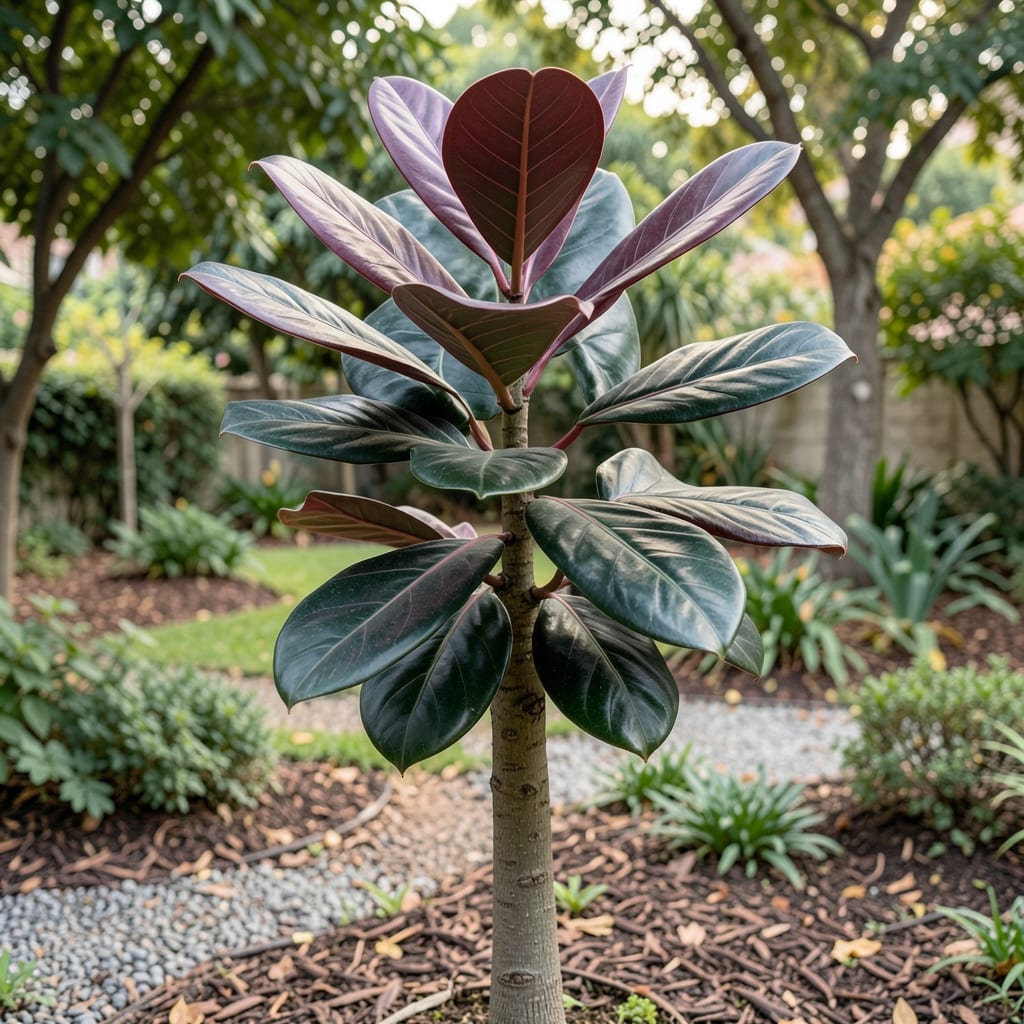
If you’ve ever wondered how tall rubber plants can grow, the answer is a resounding yes—these tropical beauties can reach heights of 6 to 10 feet indoors with the right care. But before you let it grow wild, there’s a smarter way to manage its skyward ambitions while keeping it lush and balanced.
Most rubber plants grow at a steady pace of 6 to 12 inches per year, meaning that in just a few years, you could be dealing with a leafy giant if you don’t intervene. The good news? With a few simple pruning techniques, you can control its height, encourage bushier growth, and even propagate new plants from cuttings.
Light plays a huge role in how tall your rubber plant becomes—too little, and it stretches toward the sun like a sunflower, while too much direct light can scorch its leaves. The key is finding that sweet spot of bright, indirect light and pairing it with regular pruning to keep your plant at your desired height.
Whether you’re dealing with a leggy rubber plant or just want to keep it compact, I’ll walk you through everything you need to know—from pruning secrets to troubleshooting common growth mistakes. Let’s get started!


Natural height limits of rubber plants and how fast they grow
Rubber plants (Ficus elastica) are known for their striking, glossy leaves and impressive vertical growth. Under ideal conditions, they can reach heights of 6 to 10 feet indoors, while outdoor specimens may even surpass 30 feet in tropical climates. Their growth rate varies based on factors like light exposure, soil quality, and care routines.
The average rubber plant growth rate is about 6 to 12 inches per year indoors. In their first year, expect them to grow 1 to 2 feet tall, with each subsequent year adding another 1 to 2 feet if given the right conditions. This steady growth makes them a long-term investment for indoor greenery.
Outdoor rubber plants grow much faster due to abundant sunlight and space. In tropical environments, they can reach their full height within 5 to 10 years, while indoor plants may take 10 to 15 years to reach maturity. The key difference lies in environmental factors and care practices.
| Growth Stage | Height Range | Timeframe | Key Factors |
|---|---|---|---|
| Seedling | 0-1 ft | 0-1 year | Light, soil, water |
| Juvenile | 1-3 ft | 1-3 years | Pruning, nutrients |
| Mature | 6-10 ft | 5-15 years | Light, space, care |
| Outdoor | 10-30+ ft | 5-10 years | Climate, pruning |
Light exposure is the biggest factor influencing rubber plant height. Placing your plant near a bright, indirect light source (like an east-facing window) encourages steady, balanced growth. Too little light results in leggy, stretched stems, while too much direct sun can scorch the leaves.
Soil quality also plays a critical role. Well-draining, chalky or loamy soil with added perlite or orchid bark promotes healthy root development. Overly compact soil can stunt growth and lead to root rot, which slows height progression. Always use a pot with drainage holes to prevent waterlogging.
Nutrient availability affects growth speed, especially during the spring and summer growing seasons. A balanced fertilizer (like 10-10-10 NPK) applied every 4 to 6 weeks provides essential nutrients for steady growth. Avoid over-fertilizing, as this can damage roots and hinder upward development.
Temperature and humidity levels further influence growth rates. Rubber plants thrive in 65°F to 80°F temperatures and benefit from 40-50% humidity. In dry indoor environments, consider using a pebble tray or humidifier to maintain optimal conditions for consistent growth.
If you're wondering whether your rubber plant will grow taller than your ceiling, the answer depends on your care routine. With proper light, nutrients, and occasional pruning, you can guide its growth to your desired height—whether that's a compact 3-foot bush or a towering 10-foot statement piece.
Remember, rubber plants grow best when they feel secure and well-cared-for. Regular monitoring of their environment ensures they reach their full potential without becoming top-heavy or unstable. With the right approach, your rubber plant can become a stunning vertical feature in your home.
🌿
Pruning techniques to control rubber plant height and shape
Pruning isn’t just about keeping your rubber plant from becoming a towering jungle—it’s also your secret weapon for encouraging bushier, fuller growth. When done right, pruning can transform a leggy, top-heavy plant into a compact, balanced beauty that fits perfectly on your shelves or tables. The best part? You can even propagate new plants from those cuttings!
Timing is everything when it comes to pruning. The ideal time to trim your rubber plant is in the spring or early summer, when it’s entering its active growth phase. Avoid heavy pruning in fall or winter, as the plant may struggle to recover before dormancy sets in. A light trim to remove dead or yellowing leaves is fine year-round, though.
Start by gathering your tools: sharp, sterilized pruning shears or clean scissors work best. You’ll also want a small pot of well-draining soil and rooting hormone if you plan to propagate. Always make cuts just above a leaf node—this is where new growth will sprout from. For thicker stems, use a clean, downward cut to prevent tearing.
If your rubber plant is too tall and leggy, focus on cutting back the longest stems by about one-third. This encourages the plant to branch out and grow denser foliage. For a bushier look, pinch off the tips of younger stems just above a leaf node. This trick stimulates lateral growth, giving you that lush, full appearance without sacrificing height.
After pruning, don’t just toss those cuttings! Place them in water or moist soil with rooting hormone to grow new rubber plants. In just a few weeks, you’ll see roots forming, and you can transplant them into their own pots. It’s a great way to expand your plant collection without spending a dime!
Post-pruning care is just as important as the cut itself. Water your plant lightly for the first few days to help it recover, then resume your normal watering routine. Place it in a spot with bright, indirect light to encourage new growth. Avoid fertilizing immediately after pruning—wait until you see fresh new leaves emerging before adding nutrients back into the mix.
With regular pruning, you can keep your rubber plant at your desired height while enjoying a thriving, bushy plant that’s perfect for any space. Whether you’re dealing with a 6-foot giant or a compact tabletop variety, these techniques will help you maintain the perfect balance of height and fullness. Happy pruning!