
Trees
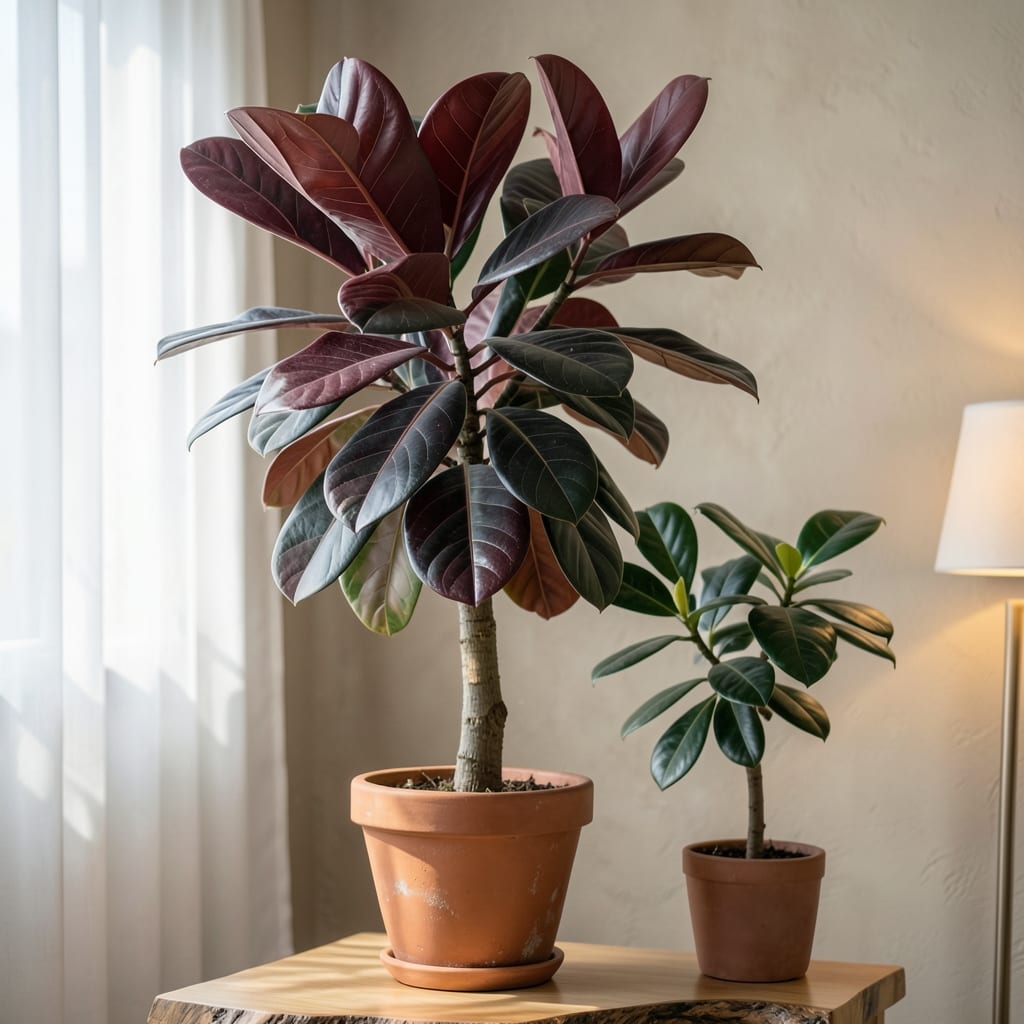
Curious about how tall can rubber trees grow before they hit your ceiling? These glossy-leaved giants can reach 10–30 feet outdoors—but indoors, they’re more likely to stop at 6–10 feet if you don’t intervene. The key? Light, space, and a little pruning know-how. Whether you’re dreaming of a lush indoor jungle or planning an outdoor specimen, understanding their growth phases will help you steer their height just right.
Rubber trees (🌿 Ficus elastica) are the ultimate low-maintenance statement plants, but their final height depends on where you grow them. In warm climates like USDA Zone 9b–11, they can stretch toward the sky, while indoors, they’ll adapt to your space—unless you give them room to stretch. The good news? With the right care, you can keep them compact or let them grow wild. Let’s break down what influences their height and how to manage it.
Most rubber trees grow 1–2 feet per year indoors, but with ideal conditions—bright, indirect light and a spacious pot—they can surge faster. Outdoors, they’re even more ambitious, reaching 60 feet in tropical climates. The secret to controlling their size? Pruning, pot size, and a little strategic training. Ready to learn how to shape your rubber tree’s future height?
From dwarf varieties that stay under 8 feet to towering outdoor giants, rubber trees offer flexibility. Whether you’re working with a 10-foot ceiling or a sun-drenched backyard, we’ll cover everything you need to know to grow the perfect-sized rubber tree—without sacrificing its stunning foliage. Let’s get started!

Rubber tree height limits: how tall can they grow indoors vs. outdoors?
Rubber trees (Ficus elastica) are famous for their dramatic height potential, but their ultimate size depends entirely on where you grow them. Indoors, these plants typically max out at 5–10 feet unless you provide ideal conditions—like a large pot and bright indirect light. Outdoors, however, they can become towering giants, reaching 20–60 feet in tropical climates. The difference comes down to space, light exposure, and care routines. Let’s break down the specifics so you can plan for your rubber tree’s future height.
Indoor rubber trees grow slower due to limited space and lower light levels, but they can still become impressive vertical features in your home. With proper care, a 10-foot ceiling might just accommodate a mature specimen—though you’ll need to monitor its growth closely. Outdoors, these trees thrive in warm climates like USDA Zones 9b–11, where they can grow aggressively if left unchecked. Understanding these differences will help you set realistic expectations and avoid surprises.
Here’s the key factor: container size. Rubber trees in small pots (10–12 inches) will stay compact, while those in large containers (18+ inches) or planted in the ground will stretch taller. Light also plays a critical role—bright indirect light fuels faster growth, while low light slows it down. Pruning is another game-changer; regular trimming can keep indoor trees at 6–8 feet even with optimal conditions.
| Growing Condition | Typical Height Range | Key Influencing Factors |
|---|---|---|
| Indoor (Small Pot) | 5–8 feet | Light, pot size, pruning |
| Indoor (Large Pot) | 8–12 feet | Space, fertilization, humidity |
| Outdoor (Warm Zones) | 20–30 feet | Sunlight, soil, water |
| Outdoor (Tropical) | 30–60 feet | Climate, pruning, space |
If you’re growing a rubber tree indoors, light exposure is the single most critical factor for controlling height. Place your plant near an east or west-facing window to give it 4–6 hours of bright indirect light daily. Without enough light, growth will slow, and the tree may become leggy or sparse. Outdoors, these trees love full sun to partial shade, which can accelerate their growth dramatically—especially in humid, tropical climates.
Another way to manage height is by choosing a dwarf variety. Some cultivars, like 'Robusta' or 'Tineke', stay shorter and bushier, making them ideal for indoor spaces with 8-foot ceilings. Even standard varieties can be kept compact with regular pruning and pinching. The goal is to balance growth with your space—whether that means encouraging height or keeping it manageable.
Outdoor rubber trees in USDA Zone 9b+ can become massive, but their growth rate slows as they mature. In their first 5–10 years, they may grow 2–3 feet per year, but after that, the pace slows to 1–2 feet annually. This makes them a long-term investment if you’re aiming for a tall shade tree. Indoors, growth is more predictable—expect 1–2 feet per year with consistent care.
One common misconception is that rubber trees will outgrow their space quickly. In reality, their growth is highly adaptable. A tree in a 12-inch pot might stay under 6 feet, while the same variety in a 24-inch pot could reach 10 feet indoors. The key is to monitor root growth and upgrade pots as needed. If roots start circling, it’s time to repot to avoid stunted growth.
For those with low ceilings, consider training your rubber tree to grow horizontally. Use a trellis or stake to guide its growth along walls or shelves, turning it into a stunning vertical garden feature. This method works especially well for bushier varieties like 'Variegata', which naturally stays shorter and wider. With a little creativity, you can enjoy a rubber tree’s beauty without worrying about height constraints.
Remember, rubber trees are forgiving plants. Even if you accidentally let one grow too tall, you can always prune it back to reset its shape. The key is to prune in early spring when new growth begins, which encourages bushier, fuller regrowth. Whether you’re aiming for a tall statement piece or a compact tabletop plant, rubber trees will adapt to your vision with the right care.
Growth phases of rubber trees: when and how fast they reach their height
Rubber trees grow in distinct phases, with their height gains slowing dramatically as they mature. In their juvenile phase (first 2–3 years), they can shoot up 1–2 feet annually, especially with ideal conditions like bright, indirect light and consistent moisture. Think of this as their "growth spurt" stage—where they build their sturdy, glossy leaves and thick stems. During this time, a rubber tree might reach 4–6 feet indoors or 10–15 feet outdoors in warm climates.
The transition to the mature phase happens around year 3, when growth slows to 6–12 inches per year. This is when their height stabilizes, typically between 10–15 feet indoors and 20–30 feet outdoors, depending on pruning and space. Outdoors in tropical regions, they can continue growing taller for decades, while indoors, they often plateau due to limited light and pot size. Understanding these phases helps you set realistic expectations for your rubber tree’s future height.
Environmental factors play a huge role in how fast your rubber tree grows. Temperature is key—ideal ranges are 65–80°F indoors and 70–90°F outdoors. Below 55°F, growth stalls, and leaves may drop. Humidity also matters: low humidity (<40%) can cause leaf drop, while higher humidity (50%+) encourages faster, healthier growth. If you’re growing yours indoors near a heating vent or dry air, consider a humidifier or pebble tray to keep it thriving.
Soil quality directly impacts growth speed. Rubber trees prefer well-draining, slightly acidic soil (pH 6.1–6.5). Poor drainage or compacted soil can stunt root development, slowing height gains. Use a mix of potting soil, perlite, and peat moss for indoor plants, and amend garden soil with compost for outdoor growth. A root-bound pot (where roots circle the container) will also signal it’s time to repot—this often triggers a growth spurt as the tree accesses more nutrients and space.
🌱 Rubber Tree Growth Timeline
- Year 1: 2–4 ft (indoor) | 5–8 ft (outdoor)
- Year 2: 4–6 ft (indoor) | 10–15 ft (outdoor)
- Year 3+: 6–8 ft (indoor) | 15–20 ft (outdoor)
- Mature (5+ years): 10–15 ft (indoor) | 20–30 ft (outdoor)
Outdoor growth varies by climate—tropical zones see faster, taller growth.
Light exposure is the #1 factor controlling height. Rubber trees grown in low light (e.g., north-facing windows) will grow taller but leggier, stretching toward light sources. To encourage a stockier, bushier shape, rotate the pot quarter-turns weekly and place it within 3 feet of an east or west window. Outdoors, they’ll grow fastest in partial shade (morning sun, afternoon shade), avoiding harsh midday rays that can scorch leaves. If you notice yellowing leaves, it’s often a sign of too much direct sun or overwatering.
Pruning isn’t just for height control—it also influences growth phases. Light pruning (trimming leggy stems) encourages bushier growth, while heavy pruning (cutting back 1/3 of the plant) can reset growth patterns, making the tree focus on new, thicker branches. The best time to prune is early spring, just as new growth begins. Avoid pruning in winter, as the tree is dormant and may struggle to recover. With the right timing and technique, you can shape your rubber tree’s height and density to fit your space perfectly.