
How To
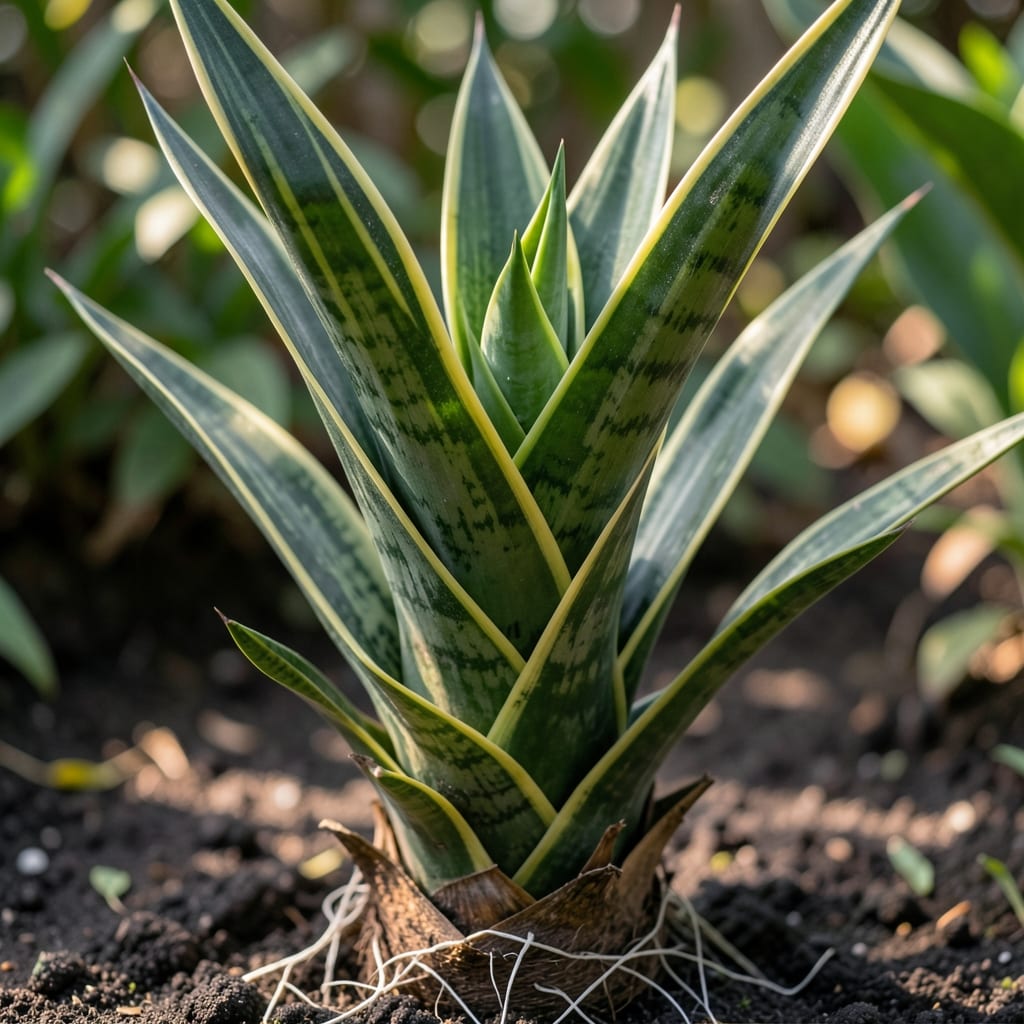
If you’ve ever glanced at your snake plant 🌿 and wondered how tall a snake plant can grow, you’re not alone. This hardy houseplant can stretch from a compact 1 foot to a towering 12 feet—depending on where it lives and how you care for it.
The secret lies in its natural habitat versus your living room. In the wild, snake plants thrive in bright, indirect light and spacious soil, reaching their full height potential. But indoors? Your plant’s growth depends on factors like pot size, sunlight exposure, and even the variety you’ve chosen.
Whether you’re dealing with a dwarf variety that stays low or a giant cultivar that could outgrow your ceiling, understanding these differences is key. I’ll break down exactly how to encourage—or control—your snake plant’s height, so you can get the perfect size for your space.
Ready to unlock the full growth potential of your snake plant 🌿? Let’s dive into the science and tips that will transform your plant care game.


Natural snake plant height in the wild: from ground cover to towering giants
The snake plant (Sansevieria trifasciata), also called mother-in-law’s tongue, is a powerhouse of adaptability. In its native African savannas, this plant thrives under bright, indirect sunlight and sparse rainfall, reaching heights that will surprise you. While indoor varieties often stay compact, their wild counterparts can grow up to 12 feet tall—yes, you read that right!
In the wild, snake plants grow vertically to access sunlight, with some varieties forming dense clumps that spread horizontally. Their thick, upright leaves act like solar panels, absorbing light efficiently. The key to their height lies in spacious root systems and nutrient-rich soil—conditions rare in your average living room.
Here’s the fascinating part: light intensity directly impacts height. In full sun, wild snake plants grow taller and straighter, while those in shadier spots remain shorter but bushier. This explains why your indoor plant might be stunted—it’s not getting the same growth signals as its wild relatives.
Another factor? Genetics. Some wild varieties, like Sansevieria ehrenbergii, develop long, arching leaves, while others, like Sansevieria cylindrica, grow in tight, cylindrical clusters. Even within the same species, light exposure can make a 6-foot difference in mature height.
🌱 Did you know? Snake plants in the wild can live for decades, continuously growing taller as long as conditions allow. This slow-and-steady approach is why they’re so resilient—even in drought or poor soil.
| Growth Factor | Wild Conditions | Indoor Impact |
|---|---|---|
| Sunlight | Full sun (6+ hours/day) | Limited by windows (2-4 hours) |
| Soil Depth | Deep, loose soil | Restricted by pots |
| Water Availability | Infrequent, deep rains | Overwatering risk |
| Growth Rate | Slow but steady (1-2 ft/year) | Slower due to stress |
| Mature Height | Up to 12 feet | 1-4 feet (varies by variety) |
The soil composition in the wild is another game-changer. Snake plants thrive in well-draining, sandy loam with minimal organic matter, which mimics their natural habitat. In contrast, indoor potting mixes often contain peat or compost, which can slow growth or even cause root rot if overwatered.
Climate plays a role too. In tropical regions, snake plants grow faster due to consistent warmth, while in cooler climates, they enter a dormant phase, slowing height gain. This is why your indoor plant might pause growth in winter—it’s conserving energy, just like its wild cousins.
If you’re dreaming of a tall, dramatic snake plant, take notes from nature. Bright, indirect light, spacious pots, and minimal interference are your best bets for encouraging vertical growth. And remember: patience is key—these plants grow slowly but steadily, just like they do in the wild.
🌿 Pro tip: If your snake plant starts leaning, it’s not growing taller—it’s reaching for light. Rotate it occasionally to keep it upright and encourage even growth all around.
How indoor conditions limit or maximize snake plant growth height
Your snake plant’s height indoors is a direct result of how well you mimic its natural growing conditions. Unlike their wild counterparts that stretch toward the sky, indoor snake plants often stay compact (1-3 feet) because of limited space and light. The good news? With the right care, you can encourage taller growth—or keep it small—depending on your space and goals.
First, let’s talk light exposure. Snake plants crave bright, indirect light to grow vertically. Place yours near an east or south-facing window where it gets 4-6 hours of sunlight daily. Without enough light, your plant will stretch and lean, a sign it’s reaching for more light but not growing taller—just longer and weaker. Rotate your pot quarter-turns every few weeks to ensure even growth all around.
💡 Key Insight: A snake plant in low light will stay shorter but bushier, while one in bright light will grow taller and straighter. If you want a floor-filling statement plant, prioritize light. For a compact desk companion, reduce light slightly.
Overwatering is the #1 reason snake plants stay short. These plants store water in their leaves, so soaking the soil every 2-3 weeks is plenty. When roots sit in wet soil, growth stops as the plant conserves energy. Use a pot with drainage holes and let the top 2 inches of soil dry out between waterings.
Next, consider your pot size. Snake plants outgrow their pots quickly, and root-bound conditions stunt height growth. If your plant has been in the same pot for over 2 years, it’s time to upgrade. Choose a pot that’s 2-3 inches wider than the current one, but avoid going too large—oversized pots hold excess moisture, leading to rot. Terracotta pots are ideal because they wick away moisture and prevent overwatering.
Fertilizer plays a smaller role than light or water, but it can boost height growth when used correctly. In early spring, apply a balanced, slow-release fertilizer (5-5-5 NPK) to encourage new growth. Skip fertilizing in winter or summer, as your snake plant enters a dormant phase during these months. Too much fertilizer can burn roots and stunt growth, so always follow the label instructions—a little goes a long way.
Finally, temperature and humidity matter. Snake plants thrive in room temperature (65-85°F) and low humidity. If your home is too dry (common in winter), your plant may slow growth to conserve moisture. A simple pebble tray with water near the pot can help, but avoid misting the leaves—excess moisture on foliage can cause brown tips and stunted growth.
🌱 Action Step: Want a taller snake plant? Start today by moving it to the brightest spot in your home, upgrading to a larger pot, and cutting back on watering. With these adjustments, you’ll see noticeable height growth within 6-12 months. For a compact plant, reduce light slightly and keep the pot snug. Either way, your snake plant will thrive!