
Succulent
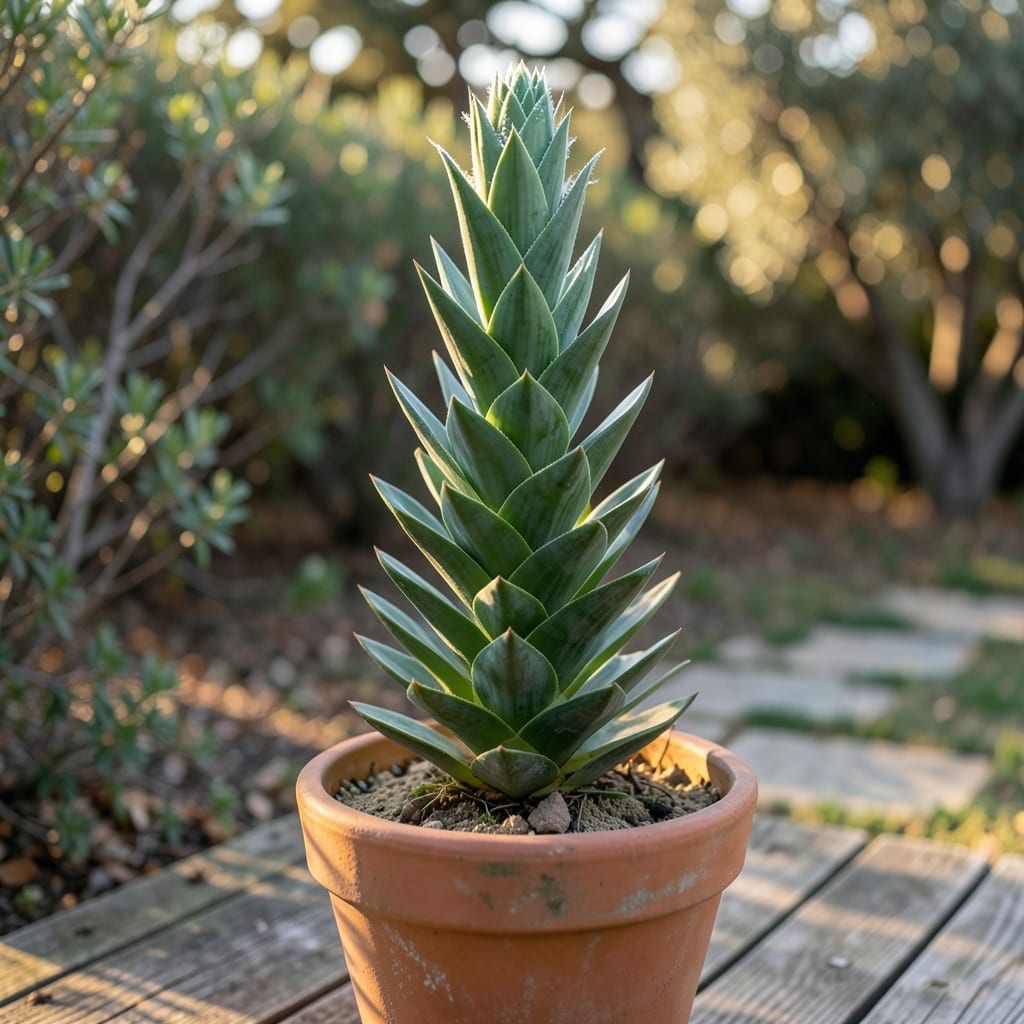
If you’ve ever wondered how tall can succulents grow or why your tiny 🌵 succulents seem to have a growth ceiling—or why some varieties stretch toward the sky—you’re not alone. The truth is, succulent heights can vary wildly, from barely an inch to towering over your head, depending on the species and care you provide.
Picture this: a delicate Echeveria staying compact on your desk, while a bold Agave grows tall enough to need its own corner. That’s the beauty of these plants—they’re as diverse in size as they are in shape. But how do you know which type will fit your space?
In this guide, I’ll break down the height ranges of popular succulents, from dwarf varieties that thrive in small pots to giants that command attention in your garden. You’ll also discover how light, water, and even your climate play a role in their growth.
Whether you’re a beginner or a seasoned plant parent, understanding these differences will help you choose the perfect 🌵 succulents for your home—and keep them happy at any height.


Succulent height ranges: from dwarf to giant varieties
Succulents come in a mind-blowing range of sizes, from tiny tabletop treasures to tree-like giants that can reach your ceiling. The mature height of a succulent depends entirely on its species and genetics, but most fall into four clear categories: dwarf, semi-dwarf, standard, and giant. Knowing these categories helps you pick the perfect plant for your space—whether you're working with a sunny windowsill or a sprawling outdoor garden.
For example, Echeveria and Haworthia stay compact, rarely exceeding 1 foot in height, making them ideal for desk gardens or terrariums. On the opposite end, Agave americana and Beaucarnea recurvata can grow over 10 feet tall, turning your garden into a dramatic vertical landscape. The key to happy succulents? Matching their natural growth habits with your care routine and growing conditions.
| Category | Height Range | Examples | Ideal Growing Conditions |
|---|---|---|---|
| Dwarf | 0.1–1 foot | Echeveria, Haworthia, Lithops | Bright indirect light, small pots, infrequent watering |
| Semi-Dwarf | 1–3 feet | Aloe vera, Sedum morganianum, Kalanchoe | Full sun, well-draining soil, moderate water |
| Standard | 3–6 feet | Agave parryi, Yucca elephantipes, Aeonium | Full sun, spacious pots, deep watering |
| Giant | 6–15+ feet | Agave americana, Beaucarnea recurvata, Dracaena draco | Outdoor beds, sandy soil, minimal water |
If you're growing dwarf succulents, focus on small containers and bright indirect light to keep them from outgrowing their space. These varieties thrive in terrariums or hanging baskets, adding texture without overwhelming your decor. For semi-dwarf and standard varieties like Aloe vera or Agave, prioritize well-draining soil and spacious pots to support their upright growth. Giant succulents, on the other hand, are best suited for outdoor gardens where they can spread their roots and reach their full potential.
One common misconception is that all succulents grow tall over time. In reality, genetics dictate height, but care habits can influence how quickly they reach maturity. For instance, overwatering can stunt growth, while adequate sunlight and minimal fertilizer encourage natural size development. If you're concerned about a succulent becoming too large for its space, pruning or propagating offsets can help manage its size without harming the plant.
Let’s talk about growth rates. Most succulents grow slowly, especially in their first year. A dwarf Echeveria might only reach 2–3 inches in its first year, while a giant Agave could grow 1–2 feet annually under ideal conditions. Patience is key—rushing growth with excessive water or fertilizer can lead to root rot or weak stems. Instead, provide consistent care and let your succulents grow at their own pace.
For indoor gardeners, tall succulents like Aloe arborescens or Haworthia attenuata can add a dramatic vertical element to your space. Place them near south-facing windows where they’ll receive 6+ hours of sunlight daily. If natural light is limited, supplement with a grow light to prevent leggy growth (a sign of stretching toward light). Even in small apartments, a tall succulent can become a stunning focal point.
Outdoor succulents, especially giant varieties, need well-prepared soil to thrive. Amend your garden beds with sandy soil and gravel to improve drainage, as succulents hate soggy roots. In USDA Zones 9–11, these plants can grow year-round, while colder climates may require container growing or winter protection. Mulching around the base with pebbles or bark helps regulate soil temperature and reduces moisture loss.
If you're planning a succulent garden, mix heights for visual interest. Pair low-growing Echeveria with tall Yucca to create layers and texture. This height variation not only looks beautiful but also makes maintenance easier—you can prune or harvest leaves at different levels without disturbing the entire plant. Just remember, taller succulents need sturdier support, so avoid overcrowding their pots or garden beds.
Finally, don’t forget that succulent height isn’t just about aesthetics—it’s also about function
Why do some succulents grow tall while others stay compact?
Succulents come in all shapes and sizes, but their height differences aren’t just random—they’re shaped by genetics, growth patterns, and environmental factors. For example, a Haworthia might stay under 6 inches while a Yucca reaches 10 feet. The key lies in how each species stores water and grows over time.
Some succulents, like Echeveria or Sedum, grow in rosette formations that stay compact. Others, such as Agave or Aloe, develop tall stems to elevate their leaves for better sunlight access. This structural difference alone can determine whether a plant stays low to the ground or stretches toward the sky.
🌱
- 🌱 Genetics: Some species are hardwired to grow tall (e.g., Agave) while others stay small (e.g., Lithops).
- ☀️ Sunlight: More light encourages vertical growth in stem succulents like Sansevieria.
- 💧 Watering: Overwatering can cause leggy growth, while underwatering may stunt height in drought-tolerant types.
- 🌡️ Temperature: Warmer climates often produce taller succulents, as seen with Aloe vera in desert regions.
- 🪴 Pot Size: Root-bound succulents may grow taller faster as they compete for space.
Light plays a surprising role in height. For instance, stem succulents like Haworthia attenuata grow taller when exposed to bright, direct sunlight, while leaf succulents like Kalanchoe may stay compact unless stretched for light. If your succulent starts leaning or growing spindly, it’s likely etiolating—a sign it needs more light to grow sturdier.
Soil and pot size also matter. Succulents in well-draining soil with minimal nutrients often grow taller and leaner, while those in richer soil may produce bushier, shorter growth. If you’re growing a tall succulent like Agave parryi, use a deep pot to support its roots and encourage upward growth.
Finally, pruning can influence height. Regularly trimming overgrown stems in succulents like Sedum morganianum (also called "burro’s tail") keeps them compact. On the other hand, leaving tall varieties like Aloe arborescens unpruned lets them reach their full 6-foot potential. The key is understanding your plant’s natural growth habit and adjusting care accordingly.
🌿