
Flowers
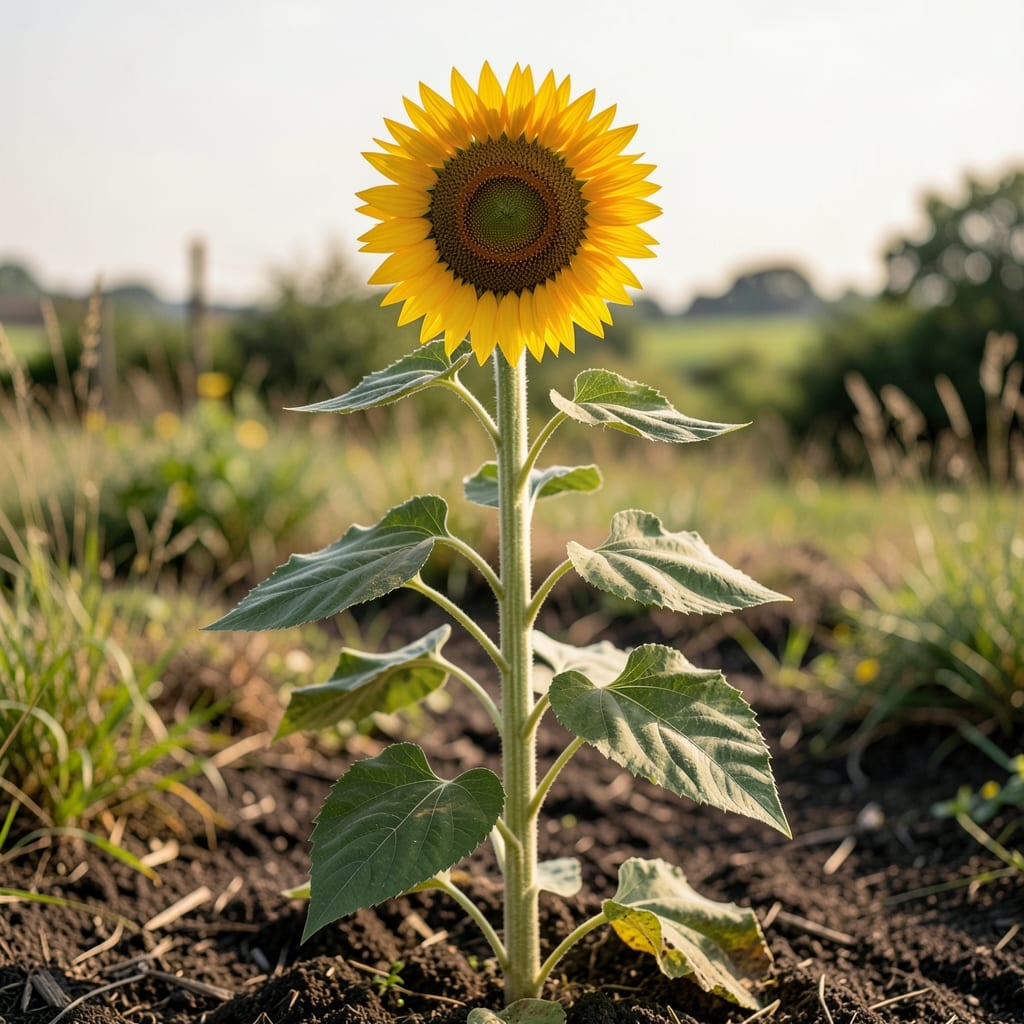
If you’ve ever admired a sunflower 🌻 soaring above your fence, you might be wondering how tall can sunflowers grow up to. The answer will surprise you—some varieties stretch taller than a two-story building, defying what you’d expect from a seemingly simple garden plant.
Sunflower heights vary wildly depending on the variety, with giant types reaching 12 to 16 feet under ideal conditions. But it’s not just about genetics—soil quality, sunlight exposure, and even watering habits play a huge role in determining how towering your sunflowers will become.
Whether you’re dreaming of a dramatic backyard centerpiece or planning a space-saving garden, understanding these height variations is key. I’ll break down the tallest varieties, how to encourage maximum growth, and why some gardeners opt for dwarf sunflowers instead.
Let’s explore how to grow sunflowers that turn heads—and how to choose the perfect height for your garden’s needs.


Sunflower height records: the tallest varieties and their growth potential
Sunflowers 🌻 are nature’s skyscrapers—some varieties can grow taller than a two-story building, reaching heights of 12 to 16 feet under perfect conditions. The tallest recorded sunflower, a 'Russian Giant', hit an astonishing 16 feet 10 inches in 2011! But how do they achieve such impressive heights?
The key lies in their genetics. Giant sunflower varieties like 'Mammoth' and 'American Giant' are bred specifically for height, often exceeding 10 feet. These varieties prioritize stem length over flower size, which is why they’re perfect for dramatic garden displays or even as natural trellises for climbing plants.
But genetics aren’t the only factor—sunlight exposure is critical. Sunflowers need at least 6 to 8 hours of full sun daily to reach their maximum height. Without enough light, their growth can be stunted, leaving you with a much shorter plant than expected. I’ve seen giant varieties in shaded areas top out at only 6 feet, a fraction of their potential.
Soil quality also plays a huge role. Sunflowers thrive in well-draining, nutrient-rich soil with a pH between 6.0 and 7.5. Poor soil can limit their height, while adding compost or a balanced fertilizer can give them the boost they need to grow taller. I always mix in a 5-10-10 fertilizer at planting time for the best results.
Here’s a quick look at how different sunflower varieties compare in height, along with their ideal uses in the garden:
| Variety | Height Range | Best For |
|---|---|---|
| Russian Giant | 12–16 ft | Dramatic displays, bird feeders |
| Mammoth | 10–14 ft | Cut flowers, tall screens |
| American Giant | 8–12 ft | Backyard focal points |
| Teddy Bear | 1–3 ft | Container gardens, borders |
| Sunspot | 3–5 ft | Cut flowers, pollinator gardens |
If you’re growing sunflowers in a small garden or containers, dwarf varieties like 'Teddy Bear' (1–3 feet) are perfect. They’re just as cheerful but won’t overwhelm your space. I’ve used them in window boxes and patio pots with great success.
For maximum height, timing matters too. Planting seeds early in the spring, after the last frost, gives sunflowers the longest growing season possible. In my zone 6a, I start seeds indoors in March and transplant them outdoors in April to ensure they have enough time to reach their full potential.
One common mistake gardeners make is overcrowding sunflowers. When plants are too close together, they compete for nutrients and sunlight, which can stunt their growth. Always space seeds at least 6 inches apart and thin seedlings to 12–18 inches apart for the best results.
Finally, don’t forget that wind and rain can also affect height. Tall sunflowers may need staking or support in windy areas to prevent them from bending or breaking. I’ve used bamboo stakes tied loosely to the stems to keep them upright, especially for varieties over 10 feet tall. 🌻
How to grow sunflowers taller: pro tips for maximizing height
Want to grow sunflowers that reach for the sky? The secret isn’t just choosing the right variety—it’s giving them the perfect growing conditions. I’ve found that watering habits, soil preparation, and proper spacing make all the difference between a 6-foot sunflower and one that towers over your fence. Let’s dive into the proven techniques I use to coax my sunflowers to new heights.
First, focus on deep watering rather than frequent shallow watering. Sunflowers need 1–2 gallons of water per plant every 3–5 days, delivered directly to the soil. I water mine in the early morning to reduce evaporation and prevent fungal diseases. Avoid wetting the leaves, as this can lead to powdery mildew, which weakens the plant and stunts growth.
Here’s a critical tip: mulch around the base of your sunflowers with 2–3 inches of organic mulch, like straw or wood chips. This helps retain moisture, regulates soil temperature, and suppresses weeds that compete for nutrients. I’ve seen sunflowers grow 20–30% taller when properly mulched compared to those in bare soil.
Don’t overlook the power of fertilization. While sunflowers aren’t heavy feeders, a balanced 5-10-10 fertilizer applied at planting and again when the plants reach 12 inches tall can boost height significantly. I mix in 1 tablespoon per plant and water it into the soil to avoid burning the roots. Too much nitrogen can lead to leafy growth at the expense of height, so always follow the package instructions.
Spacing is another game-changer. Crowded sunflowers compete for sunlight and nutrients, leading to stunted growth. Space seeds 6 inches apart and thin seedlings to 12–18 inches apart once they’re 4–6 inches tall. For giant varieties like 'Russian Giant', give them even more room—up to 24 inches apartgiant sunflowers grow 3–4 feet taller when given ample space to stretch.
Finally, consider staking or trellising for varieties over 8 feet tall. Tall sunflowers can become top-heavy and prone to bending, especially in windy conditions. Use bamboo stakes or a sturdy trellis and tie the stems loosely with soft plant ties or old fabric strips. I avoid wire ties, as they can cut into the stems as the plant grows. This support helps them grow straighter and reach their full height potential.
With these techniques, you’ll be growing sunflowers that rival skyscrapers—just don’t forget to enjoy the view! Whether you’re aiming for a backyard focal point or a cut flower display, taller sunflowers mean more impact and fewer compromises. 🌻