
How To
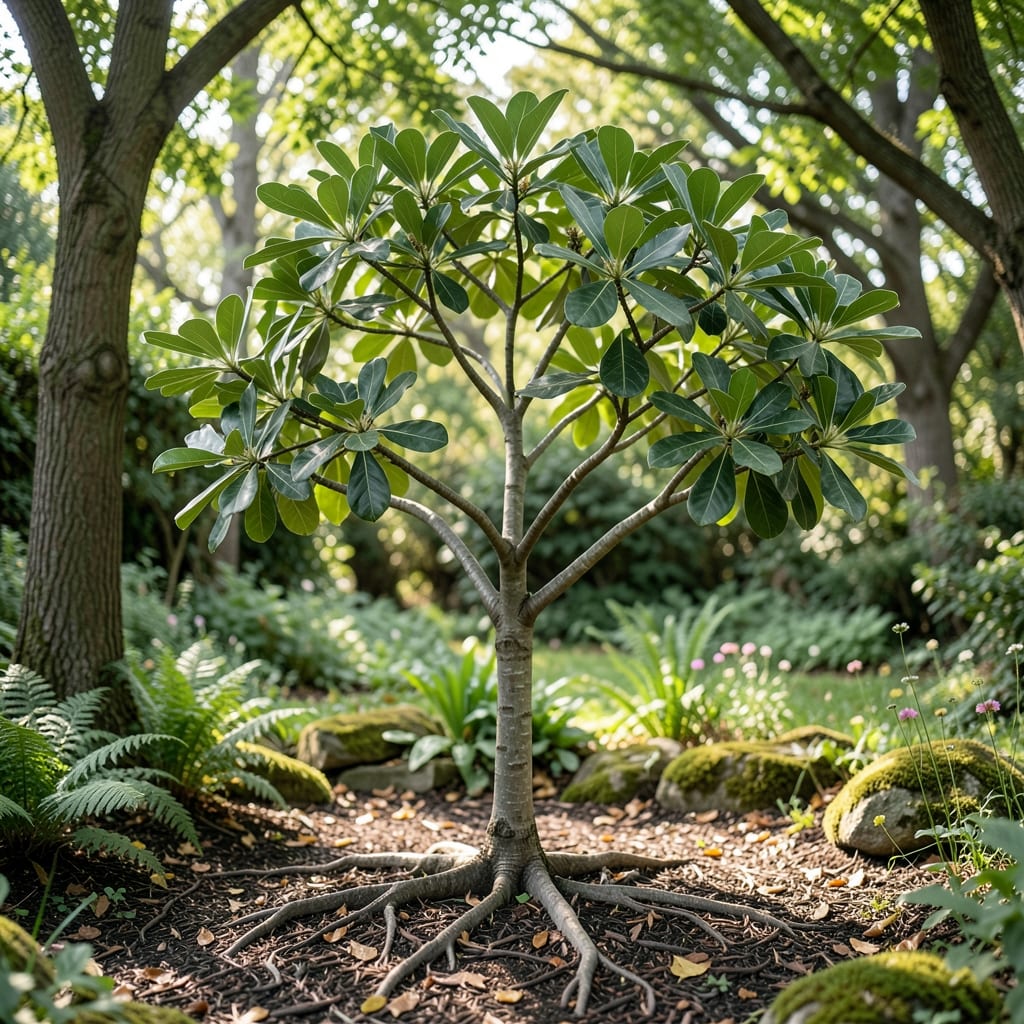
Ever wondered just how tall your Benjamin Fig Tree 🌳 could grow if you let it? The answer might surprise you—this fast-growing plant can reach 15–30 feet outdoors in ideal conditions, but even indoors, it can easily hit 10–15 feet without proper care.
That’s why understanding how to manage its height is the key to keeping your plant thriving in your space, whether you’re growing it indoors or outdoors. Without pruning, those glossy leaves will stretch toward the ceiling, leaving you with a towering green giant instead of a manageable houseplant.
In this guide, I’ll break down everything you need to know—from natural growth patterns to the best pruning techniques—to keep your Benjamin Fig Tree at your desired height. You’ll also learn how light exposure, container size, and seasonal care all play a role in controlling its growth.
Ready to transform your Benjamin Fig Tree from a skyrocketing giant into a perfectly sized centerpiece? Let’s dive into the secrets of managing its height like a pro.


Benjamin fig tree height limits: indoor vs. outdoor growth potential
The Benjamin Fig Tree (Ficus benjamina) is a fast-growing plant that can reach staggering heights depending on where you grow it. Without intervention, an outdoor tree can soar to 20–30 feet, while an indoor specimen will typically max out at 10–15 feet—though it can grow taller if given enough light and space.
Your tree’s height depends on three key factors: light exposure, container size, and pruning habits. Outdoors, these trees thrive in warm climates (USDA zones 10–12) and can grow 3–5 feet per year if unchecked. Indoors, growth slows slightly but remains rapid without pruning.
Here’s how your Benjamin Fig Tree’s height compares in different environments:
If you’re growing your Benjamin Fig Tree indoors, its height is directly tied to the size of its container. A tree in a 20-gallon pot will grow taller than one in a 5-gallon pot, but both will eventually need pruning to prevent leggy growth. For example, my 10-year-old indoor tree in a 15-gallon pot hit 12 feet without pruning—until I started training it!
Outdoors, space is the biggest factor. A tree planted in the ground with full sun and no pruning can become a small tree (15–20 feet) within 5–7 years. However, if you prune it annually to remove 1/3 of its height, you can keep it at a manageable 8–12 feet—perfect for a backyard focal point.
Light exposure also plays a huge role. Benjamin Fig Trees crave sunlight and will stretch toward windows or sunlight sources if deprived. This etiolation (excessive elongation) leads to weak stems and smaller leaves. To prevent this, rotate your pot every few weeks for even growth and ensure it gets at least 6 hours of direct light daily. 🌞
One common misconception is that Benjamin Fig Trees stop growing once they reach a certain height. In reality, they keep growing unless you prune them back or limit their root space. If you want a compact tree, combine regular pruning with a smaller pot—this forces the plant to focus on leaf production rather than vertical growth.
For example, if you top your tree (cut the top stem) in early spring, it will branch out and grow wider instead of taller. I’ve seen trees go from 10 feet tall to 6 feet tall in a year with consistent pruning—all while staying bushier and healthier. The key is timing: Prune in spring or early summer when the tree is actively growing. ✂️
Step-by-step pruning guide to control benjamin fig tree height
Pruning is the secret weapon for controlling your Benjamin Fig Tree’s height while keeping it healthy and bushy. The right cuts at the right time can reduce height by 30–50% in a single season. But timing and technique matter—prune at the wrong time, and you’ll stunt growth or trigger stress. Let’s break down the exact steps to prune like a pro.
First, choose the right tools. You’ll need sharp bypass pruners for clean cuts and a sterilized saw for thicker branches. Disinfect your tools with rubbing alcohol to prevent disease spread. I always prune on a clear day when temperatures are mild (60–75°F), as extreme heat or cold can stress the tree.
Here’s my step-by-step pruning