
Flowers
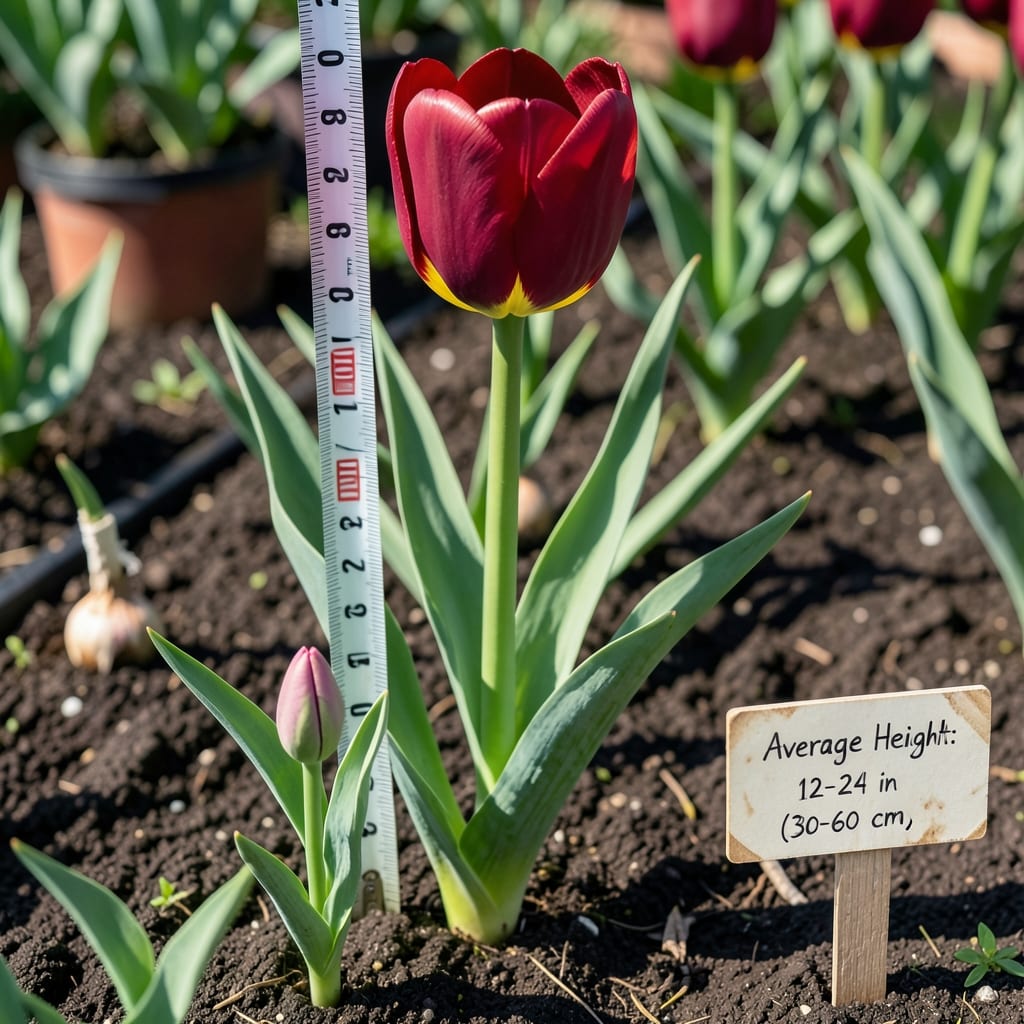
If you’ve ever wondered how tall can tulips grow, the answer depends more on variety and care than you might think. Some varieties barely reach knee-high, while others tower like small trees—with heights ranging from just 6 inches to a stunning 28 inches!
Picture this: a delicate dwarf tulip nestled in a window box versus a bold Darwin Hybrid standing proudly in a border. The difference isn’t just about aesthetics—it impacts how you space them, pair them with other plants, and even when to stake them for support.
But here’s the catch: soil quality, sunlight exposure, and planting depth can push your tulips taller—or keep them shorter—than their typical range. Whether you’re dreaming of dramatic vertical gardens or cozy, low-maintenance blooms, understanding these factors is the key to getting the height you want.
Let’s break down exactly how tall your tulips can grow, which varieties hit those extremes, and how to nurture them for the perfect height in your garden. Ready to transform your flowerbeds?


Tulip height by variety: from dwarf to giant bloomers
Did you know tulip height can vary by 12 inches or more depending on the variety? Some stay compact enough for window boxes, while others reach nearly waist-high. The key difference often comes down to their cultivar classification—whether they’re dwarf, standard, or giant types.
For example, the 'Queen of Night' tulip typically stays between 12-18 inches, making it perfect for border planting. Meanwhile, Darwin Hybrid varieties like 'Apeldoorn' can shoot up to 24-28 inches, adding dramatic vertical interest to your garden.
Here’s the breakdown of what to expect from tulip varieties based on their mature height:
| Variety Type | Height Range | Best For | Examples |
|---|---|---|---|
| Dwarf | 6–12 inches | Containers, rock gardens | 'Tiny Star,' 'Peppermint Stick' |
| Semi-Dwarf | 12–18 inches | Borders, mixed beds | 'Queen of Night,' 'Red Emperor' |
| Standard | 18–24 inches | Cut flowers, focal points | 'Parrot Tulips,' 'Fosteriana' |
| Giant | 24–28 inches | Dramatic displays, back of borders | 'Darwin Hybrid,' 'Apeldoorn' |
If you’re planning a tulip garden, choose varieties based on your space. For example, dwarf tulips work beautifully in window boxes or rock gardens, while giant varieties make stunning backdrop plants for perennials like peony or daylily.
Pro tip: Mixing heights creates visual interest. Try pairing 12-inch 'Queen of Night' with 24-inch Darwin Hybrids for a layered look that blooms all at once.
But height isn’t just about the variety—soil quality, sunlight, and watering habits can push your tulips even taller (or shorter) than expected. We’ll dive into those factors next to help you fine-tune your garden’s design.
🌷
What affects tulip height: soil, sunlight, and care factors
Tulip height isn’t just about the variety you plant—your soil quality, sunlight exposure, and watering habits play huge roles. Think of your tulips like skyscrapers: the deeper the foundation (soil depth), the taller they’ll grow. But even the best bulbs need the right nutrients to reach their full potential.
For starters, planting depth matters. Tulip bulbs need 6–8 inches of soil above them to grow strong stems. Plant them too shallow, and you’ll end up with stunted, weak stems—often just 6–12 inches tall instead of their full height. On the flip side, over-deep planting can cause rot or slow growth.
Now, let’s talk sunlight. Tulips thrive in full sun (6+ hours daily), but too much heat without moisture can stress them, leading to shorter stems. In hot climates, they might only reach 50–70% of their expected height. Conversely, partial shade can encourage leggy growth, making stems taller but weaker.
Soil nutrients are another game-changer. A balanced fertilizer (5-10-10) applied in early spring can boost height by 20–30%. But skip the heavy nitrogen—it’ll make your tulips leafy but flowerless. Instead, focus on phosphorus and potassium for stronger stems.
- 🌱 Soil Depth: Plant bulbs 6–8 inches deep for optimal stem strength. Shallow planting = shorter tulips.
- ☀️ Sunlight: Full sun (6+ hours) maximizes height, but afternoon shade prevents heat stress in hot climates.
- 💧 Watering: Consistent moisture (1 inch/week) supports tall growth. Overwatering causes rot; underwatering stunts stems.
- 🌿 Fertilizer: Use low-nitrogen (5-10-10) fertilizer in early spring. Too much nitrogen = weak stems.
- ✂️ Pruning: Remove yellow leaves after flowering to redirect energy to bulb storage for next year’s height.
Timing also plays a role. Planting bulbs 4–6 weeks before the first frost gives roots time to establish before winter. If you plant too late, tulips may bolt early (shoot up quickly but stay short). Conversely, early planting in mild climates can lead to taller, leggier stems if not checked with proper spacing.
Finally, don’t overlook companion planting. Crowding tulips with aggressive roots (like daylilies or irises) can stunt their growth. Give them 4–6 inches of space to avoid competition for nutrients. In containers, use well-draining mix and smaller varieties like 'Tiny Pink' (8–12 inches) to prevent overcrowding.
By tweaking these factors, you can coax your tulips to hit their full height potential—or keep them compact for small gardens. Experiment with a few adjustments this season, and you’ll see the difference in bloom height! 🌷