
Trees
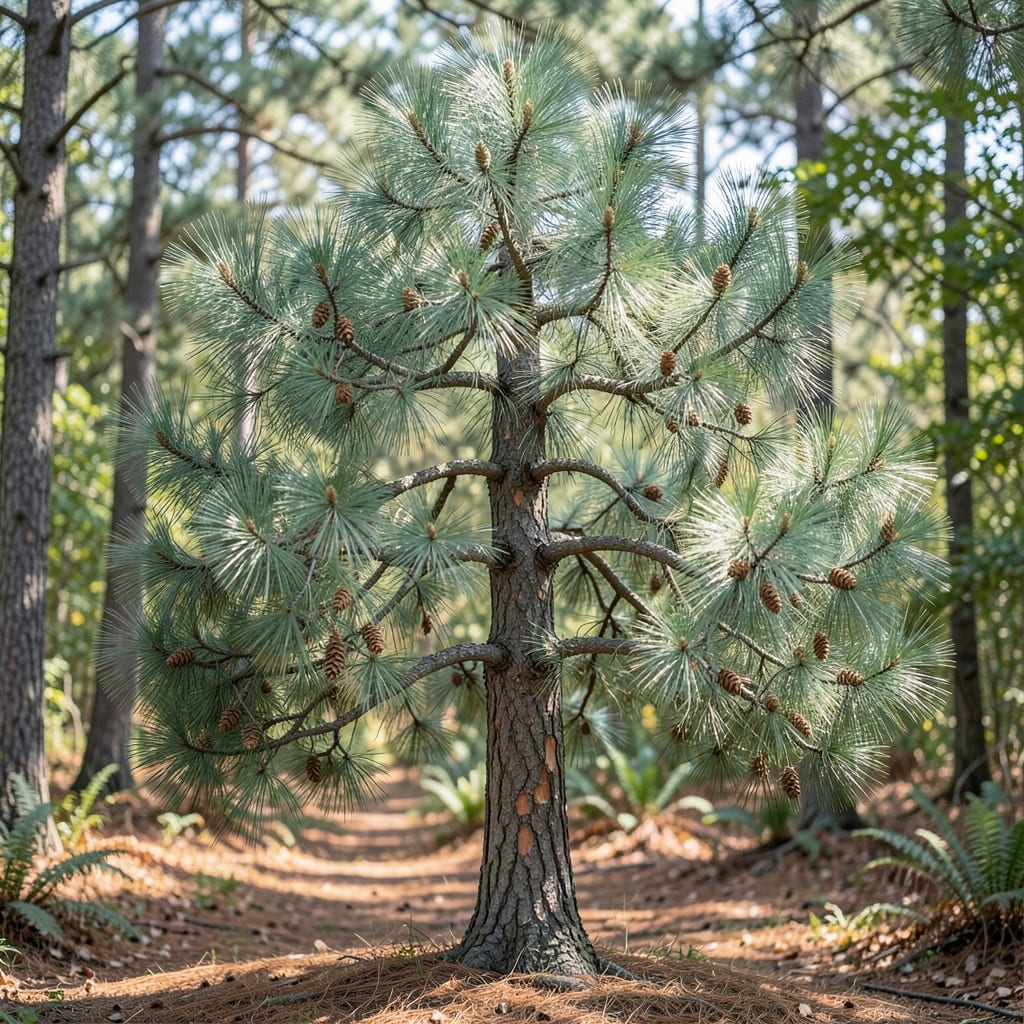
If you’ve ever dreamed of a backyard that feels like a forest sanctuary, how tall can white pines grow—these graceful evergreens are nature’s skyscrapers, capable of reaching heights that put even the tallest buildings to shame. But just how tall can these magnificent trees grow, and what makes some varieties shoot up faster than others?
Picture this: a 100-foot tower of needle-like branches swaying in your yard, providing shade and wildlife habitat for decades. While most white pines take their time, the fastest-growing varieties can hit 60 feet in just 20 years—with proper care, that is. Whether you’re planning a privacy screen or a future giant, understanding their growth potential is key to making the right choices.
From the Eastern White Pine, known for its rapid ascent, to the Mountain White Pine, which thrives in cooler climates, each variety has its own sky-high ambitions. The secret to unlocking their full height? It’s all about soil, sunlight, and spacing—factors that can turn a modest sapling into a towering masterpiece over time.
Ready to plant a tree that will outlive you? I’ll break down exactly how tall white pines can grow, which varieties reach the sky fastest, and the simple steps you can take to help them stretch toward their full potential. Let’s get started!

White Pine height growth chart: from sapling to sky-high giant
White pines are some of the fastest-growing trees in North America, with the potential to reach 60 to 100 feet at maturity—though their growth speed depends heavily on variety, climate, and care. The Eastern White Pine (Pinus strobus), the most common variety, often hits 50 feet in just 20 years under ideal conditions, while slower-growing types like the Mountain White Pine may take decades to reach similar heights.
Understanding their growth trajectory helps you plan for long-term landscaping. A young white pine starts small—just 2 to 4 feet tall after its first year—but its upward momentum accelerates dramatically in years 2 through 5. By year 10, many varieties surpass 20 feet, making them a stunning focal point in any yard. The key to unlocking their full height potential lies in providing the right growing conditions.
Below is a detailed growth chart showing how white pines progress from saplings to towering giants over time. This visual guide will help you predict your tree’s future height and plan accordingly, whether you’re aiming for a privacy screen or a future shade provider.
| Age | Eastern White Pine Height | Western White Pine Height | Mountain White Pine Height | Key Growth Notes |
|---|---|---|---|---|
| Year 1 | 2–4 ft | 2–3 ft | 1–2 ft | Slow start; focus on root establishment |
| Year 5 | 12–18 ft | 10–14 ft | 8–12 ft | Rapid vertical growth begins |
| Year 10 | 25–35 ft | 20–28 ft | 15–20 ft | Ideal time for pruning to shape growth |
| Year 20 | 50–75 ft | 40–60 ft | 30–50 ft | Full sun and deep soil boost height |
| Year 50 | 80–100 ft | 70–90 ft | 50–70 ft | Mature height; slower growth rate |
As you can see, the Eastern White Pine leads the pack in height growth, especially in its first 20 years. This variety is the fastest to reach 50 feet, making it ideal for homeowners who want quick shade or privacy. The Western White Pine, while slightly slower, still offers impressive growth—perfect for drier climates where moisture conservation is key.
If you’re planting in cooler, mountainous regions, the Mountain White Pine is a hardy choice, though it takes longer to reach its full height. Regardless of variety, remember that soil quality and sunlight are the biggest factors in determining how tall your white pine will grow. Well-draining, nutrient-rich soil paired with 6+ hours of direct sunlight daily will give your tree the best chance to stretch toward the sky.
For those planning a long-term landscape, consider spacing your white pines 10 to 15 feet apart to allow their canopies to expand without competing for resources. Over time, a well-placed white pine can become the centerpiece of your outdoor space, offering year-round greenery and a sense of timeless beauty. Just imagine the conversation starter when your tree surpasses the height of your neighbor’s two-story home!
Ready to give your white pine the best shot at reaching its full potential? In the next section, we’ll dive into the fastest-growing varieties and how to push them toward sky-high heights even faster. Stay tuned!
Fastest-growing White Pine varieties: which reach 100+ feet faster?
Not all white pines grow at the same pace—some varieties are sky-high speedsters, while others take their time climbing toward the clouds. If you’re dreaming of a 100-foot giant in just a few decades, the Eastern White Pine is your best bet. This variety can grow 3-5 feet per year under ideal conditions, hitting 60-75 feet in 20 years.
The Western White Pine is a close second, though slightly slower, with 2-4 feet of growth annually. By year 20, it typically reaches 40-60 feet, making it a great choice for slightly cooler climates. Meanwhile, the Mountain White Pine grows more conservatively, averaging 1-3 feet per year and reaching 30-50 feet in two decades.
Curious which variety will dominate your landscape fastest? Here’s how they stack up in a real-world growth race:
Climate plays a huge role in how fast these trees grow. The Eastern White Pine thrives in USDA Zones 3-8, where warm summers and cold winters fuel rapid growth. For the Western White Pine, cooler Zones 4-7 are ideal, while the Mountain White Pine prefers the crisp air of Zones 3-6. Planting in the right zone can shave years off their time to maturity.
Pro tip: If you’re in a fast-growth zone, pair your white pine with deep, well-draining soil and full sun exposure to push those height records even further. A young Eastern White Pine in perfect conditions can easily hit 100 feet in 30-40 years—that’s taller than a 10-story building!
Ready to pick your sky-high champion? The choice is yours—just remember, patience is key. Even the fastest-growing white pine takes decades to reach its full potential, but the wait is worth it for a backyard forest that feels like a fairy tale. 🌲