
Lawn
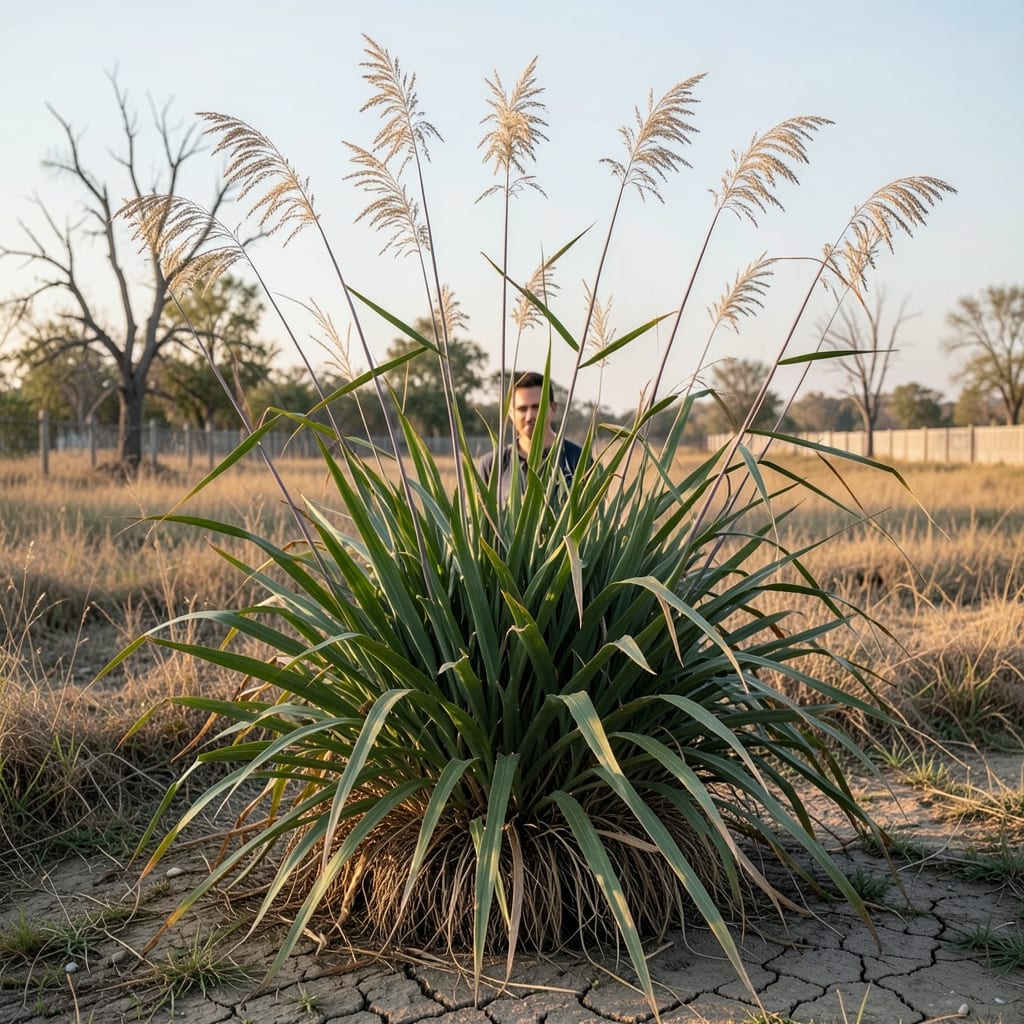
If you’ve ever wondered how tall that wild grass can grow in your yard—imagine it stretching taller than your house! Some wild grass species reach 12 feet or more, while others stay low to the ground, making them either a dream or a nightmare for gardeners.
Understanding these height variations is the key to managing your outdoor space effectively. Whether you're dealing with invasive species or simply curious about nature's giants, knowing what to expect helps you plan better. From bamboo's rapid growth to the stubborn spread of Johnson grass, each type has its own growth story.
But why do some grasses grow so tall? It often comes down to climate, soil quality, and competition for resources. In this guide, I’ll break down the factors that influence wild grass growth and share practical tips for controlling it—so you can keep your lawn looking its best without turning into a jungle.
Ready to discover which wild grasses dominate your area and how to manage them? Let’s dive into the details and turn that overgrowth into a well-maintained landscape.

Record-breaking wild grass heights by species (with surprising facts)
Wild grass species can vary wildly in height—literally! Some stay humble at just a few inches, while others shoot up like skyscrapers in your backyard. The tallest wild grasses can reach 12 feet or more, creating a jungle-like effect if left unchecked. These giants often thrive in warm climates with abundant water and nutrients, giving them the boost they need to grow tall and fast.
The giant reed (Arundo donax) holds the record as one of the tallest wild grasses, often surpassing 20 feet in ideal conditions. It’s not just height—this species grows 3-6 feet per year, making it a dominant force in landscapes where it’s not controlled. If you’ve ever seen a grass taller than a basketball hoop, chances are it’s a close relative of this species.
Another extreme grower is bamboo (Phyllostachys spp.), which can reach 60 feet or more in tropical climates. While bamboo is often cultivated, some wild varieties spread aggressively, forming dense thickets that can outcompete other plants. Its rapid growth rate—up to 3 feet in a single day—makes it a formidable opponent in unmanaged areas.
Johnson grass (Sorghum halepense) is another notorious tall grower, often reaching 6-10 feet in height. This invasive species is notorious for its deep root system and ability to regrow from even small fragments. Its height and spread make it a challenge for gardeners and farmers alike, especially in southern U.S. states where it thrives.
| Species | Max Height | Growth Rate | Key Traits |
|---|---|---|---|
| Giant Reed (Arundo donax) | 20+ ft | 3-6 ft/year | Fast-growing, invasive, thrives in wetlands |
| Bamboo (Phyllostachys spp.) | 60+ ft | Up to 3 ft/day | Aggressive spreader, deep roots, rapid growth |
| Johnson Grass (Sorghum halepense) | 6-10 ft | 2-3 ft/season | Deep rhizomes, drought-tolerant, invasive |
| Cogon Grass (Imperata cylindrica) | 6-8 ft | 1-2 ft/year | Highly invasive, forms dense mats, fire-resistant |
| Napier Grass (Pennisetum purpureum) | 10-12 ft | 3-4 ft/month | Fast-growing, used for fodder, spreads aggressively |
Not all wild grasses are towering giants, though. Some species, like creeping bentgrass (Agrostis stolonifera), stay low to the ground, forming dense mats instead of reaching for the sky. These shorter varieties are often found in lawns and meadows, where their low growth habit makes them easier to manage. Understanding these differences helps you choose the right strategies for control or even harnessing their benefits.
If you’re dealing with a mix of tall and short wild grasses, the key is identifying the species early. Many tall grasses spread through rhizomes or stolons, which means even a small patch can quickly become a full-blown invasion. Regular monitoring and targeted removal are essential to keep these giants from taking over your garden or yard.
For those who want to harness the power of tall grasses, some species like switchgrass (Panicum virgatum) are used for erosion control and even biofuel production. Their height and density make them excellent for stabilizing soil in windy or sloped areas. However, their potential for unchecked growth means they require careful management to prevent spreading beyond desired areas.
In the next section, I’ll dive into why wild grass grows so tall and share practical tips for controlling it—whether you want to tame a jungle or simply keep your lawn looking neat. Stay tuned for actionable advice on managing these towering plants!
Why some wild grass grows so tall—and how to control it
Wild grass reaches extreme heights—like 12 feet or more—because of three key factors: water availability, nutrient-rich soil, and lack of competition. In ideal conditions, these grasses grow aggressively to outcompete other plants, dominate landscapes, and even block sunlight from reaching smaller species. This rapid vertical growth is nature’s way of ensuring survival.
The giant reed (Arundo donax) and bamboo species are prime examples. They thrive in wet, sunny climates with minimal pruning, allowing them to grow 3-5 feet per year. Without intervention, they can quickly overwhelm gardens, yards, and even nearby structures, creating maintenance nightmares.
But why does this happen? Deep root systems access groundwater, while fast photosynthesis rates fuel rapid growth. Invasive species like Johnson grass also produce thousands of seeds per plant, ensuring their dominance. Understanding these growth triggers helps you predict—and prevent—unwanted expansion.
✅ Why Wild Grass Grows Tall
- Water access: Deep roots tap into groundwater
- Sunlight: Full sun fuels rapid photosynthesis
- Nutrient soil: Rich soil accelerates growth
- No predators: Few animals eat mature grasses
❌ How to Control It
- Mowing: Cut before seeding (3-4x/year)
- Herbicides: Glyphosate for stubborn species
- Smothering: Cover with cardboard/mulch
- Manual removal: Dig roots for invasive types
To manage tall wild grass, start with regular mowing—cutting before seed heads form prevents new growth. For invasive species like cogon grass, apply pre-emergent herbicides in early spring. Smothering works too: lay thick mulch or cardboard to block sunlight and starve roots. Manual removal is best for small patches, but dig deep—roots can extend 3-5 feet underground!
Natural suppression also helps. Plant competitive ground covers like clover or creeping thyme to outcompete wild grass. In drought-prone areas, reduce watering to weaken invasive species. Remember: consistency is key. A single missed mowing cycle can lead to a 10-foot-tall jungle in just one season.
For extreme cases, consider professional help. Some grasses, like bamboo, require root barriers to contain their spread. Investing in prevention now saves hours of backbreaking work later—and keeps your landscape looking its best.