
Size
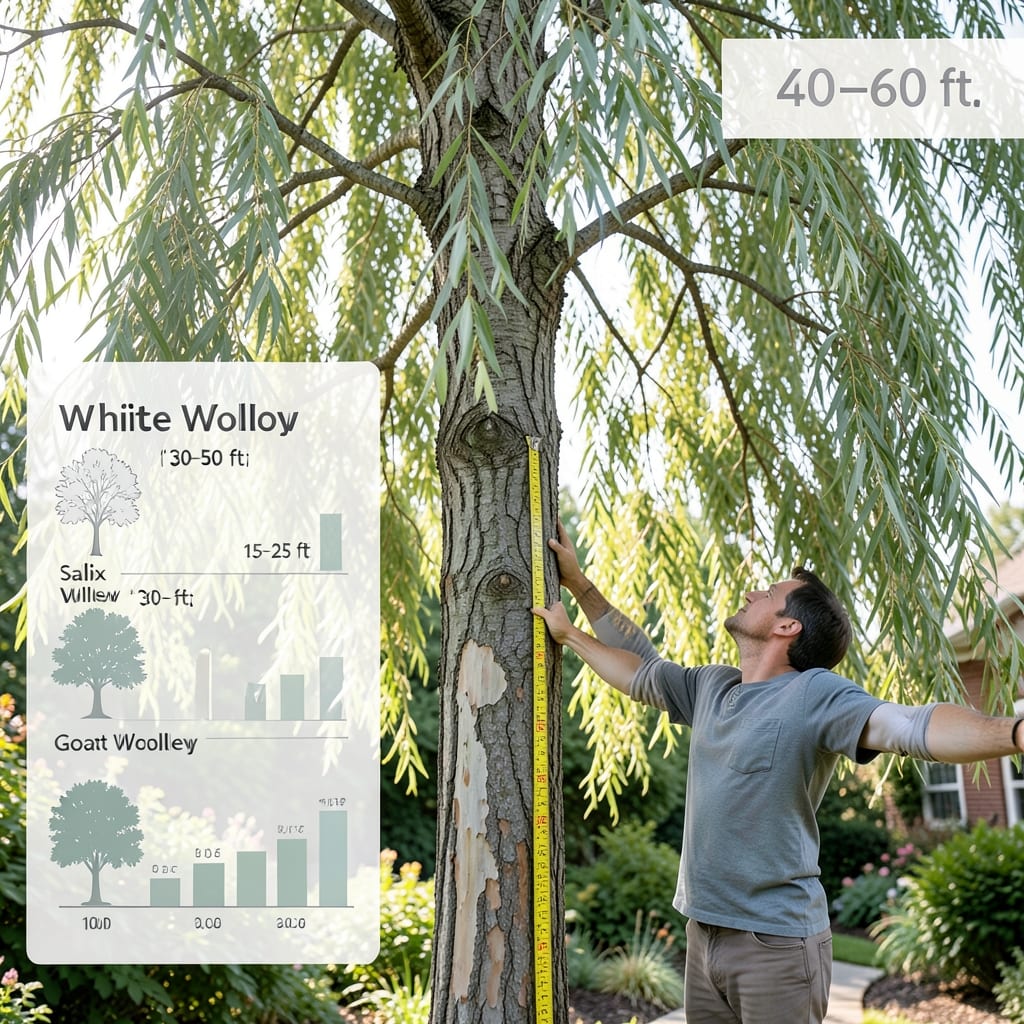
If you’ve ever wondered how tall can willow trees grow, the answer might surprise you—these fast-growing giants can shoot up like skyscrapers in just a few years. Some varieties, like the towering weeping willow (🌳 Salix babylonica), easily reach 50 feet or more, while others max out at 30 feet with the right care.
But here’s the catch: their rapid growth isn’t just about height—it’s also about how aggressively they spread. Willow trees can become landscape dominators, so knowing their potential size is key before planting. Whether you’re dreaming of a privacy screen or a stunning centerpiece, understanding their growth habits will help you choose the right variety for your space.
In this guide, I’ll break down the tallest willow species, what makes them grow so fast, and how to manage their size—so you can enjoy their beauty without losing control. Let’s dive in!
From black willows to crack willows, each type has its own quirks. Some thrive in wet soil, others need pruning to stay in check, and a few even outgrow their welcome in small yards. Ready to pick the perfect fast-growing tree for your landscape?


Willow tree height by variety: which species hit 50+ feet?
Willow trees are famous for their dramatic height, but not all varieties reach the same sky-piercing heights. The weeping willow (🌳 Salix babylonica) is the poster child for towering growth, often soaring to 50–75 feet with its graceful, drooping branches. Meanwhile, the black willow (Salix nigra) typically maxes out around 40–60 feet, while the white willow (Salix alba) can hit 30–50 feet under ideal conditions.
If you’re eyeing a willow for a privacy screen or statement piece, size matters—but so does your yard’s space. Some varieties, like the crack willow (Salix fragilis), grow 30–50 feet but with a shorter lifespan, making them less ideal for long-term planting. Let’s break down the tallest contenders and what to expect from each.
🌱 Visual Guide: Willow Tree Height Comparison
The weeping willow is the undisputed champion for height, but its aggressive roots and short lifespan (30–50 years) mean it’s not always the best choice for permanent planting. For a longer-lived option, the black willow or white willow might be better fits, though they still demand space.
If you’re working with limited room, consider dwarf varieties like Salix caprea (goat willow), which tops out around 15–20 feet. These are perfect for container growing or small yards where you want willow charm without the skyscraper effect.
One variety that often flies under the radar is the purple osier willow (Salix purpurea), which grows 10–20 feet but offers stunning purple stems and foliage. It’s ideal for color accents in mixed borders or as a hedge plant.
Before planting, check your local USDA hardiness zone. Most willows thrive in zones 4–9, but cold snaps can stunt growth or damage young trees. In colder climates, opt for hardier varieties like the black willow or pussy willow.
Pro tip: If you’re planting near a water feature, willows love the moisture and will grow even faster—just be prepared for their roots to spread aggressively. Always install a root barrier if you’re concerned about containment.
How fast do willow trees grow—and what limits their height?
Willow trees are famous for their explosive growth rates, often shooting up 3 to 6 feet per year under ideal conditions. In just 5 years, a weeping willow can reach 20–30 feet, while some varieties like the black willow (Salix nigra) may top 50 feet in a decade. This rapid ascent makes them one of the fastest-growing trees in North America—but don’t let the speed fool you.
Their height isn’t just about genetics. Factors like soil moisture, sunlight exposure, and climate conditions play huge roles. For example, willows planted near ponds or streams can grow 20% faster than those in dry soil. Meanwhile, pruning habits can either encourage vertical growth or keep them in check.
🌱 Did You Know? Some willow varieties, like the pussy willow (Salix discolor), max out at just 10–15 feet—a stark contrast to their towering cousins. This shows how species selection is just as critical as growing conditions when planning your landscape.
If you’re wondering why some willows stop growing tall despite their reputation, it’s often due to root competition or nutrient depletion. Willow trees are heavy feeders, and without regular soil amendments (like compost or mulch), their growth plateaus. Even in ideal conditions, genetic limits kick in—most varieties cap out at 30–50 feet, no matter how much you water them.
For gardeners in small spaces, this means choosing dwarf varieties (like Salix caprea) or planning for aggressive pruning early on. Without intervention, even a 10-foot sapling can become a 50-foot monster in a decade—so act fast if you want to keep it manageable!
🌿 Pro Tip: Monitor your willow’s growth in its first 2 years—this phase reveals whether it’s on track for towering heights or staying compact. Adjust care (like watering frequency or fertilizer type) based on its early trajectory.