
Size
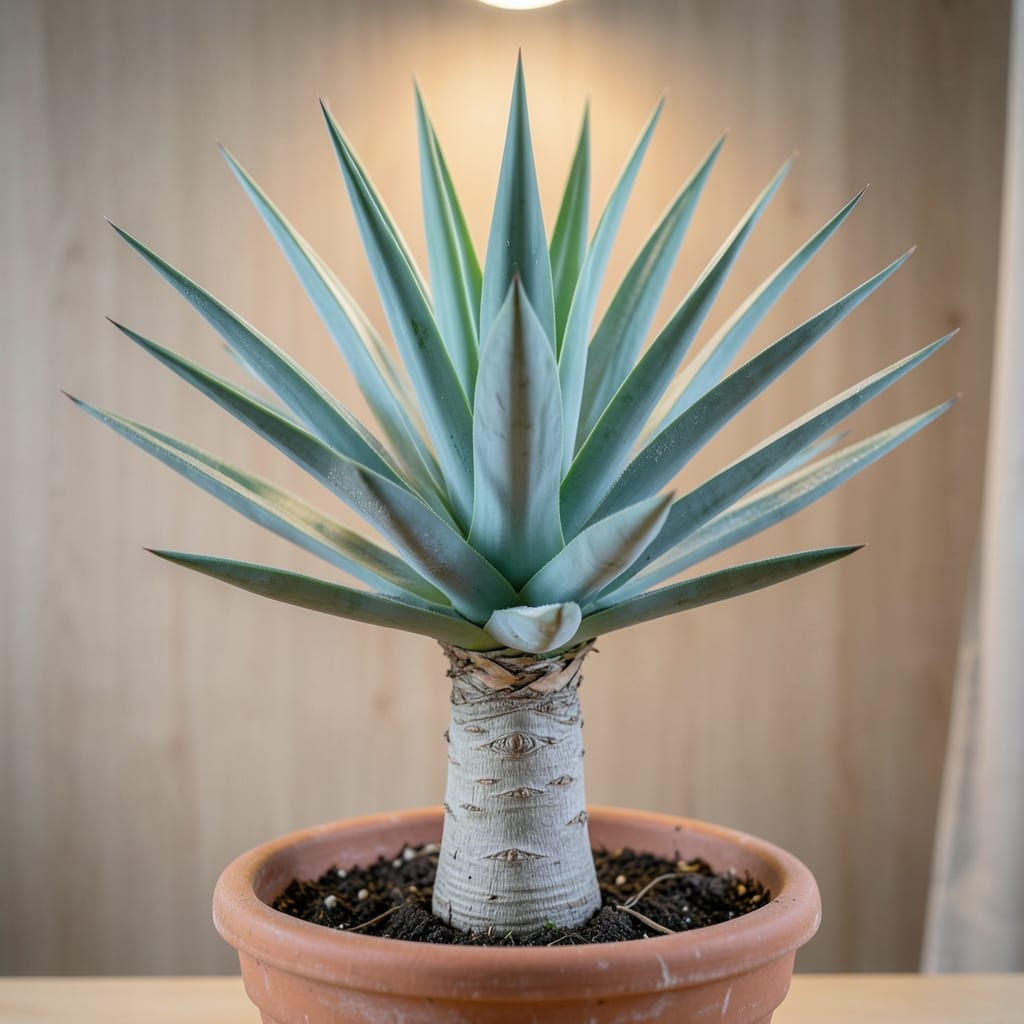
If you've ever wondered how tall can yucca plants grow, you're not alone—this striking desert shrub 🌵 can surprise even seasoned gardeners with its dramatic height variations. Some varieties stay compact enough for containers, while others shoot up like architectural skyscrapers, reaching heights that rival telephone poles.
The secret to their size lies in the species—think of Yucca elephantipes standing proudly at 6 feet versus Yucca rostrata, which can stretch an astonishing 30 feet in ideal conditions. But it's not just about genetics; sunlight, soil, and even your pruning habits play starring roles in determining whether your yucca stays small or goes full "desert giant."
Whether you're dreaming of a dramatic backyard centerpiece or trying to keep a yucca from outgrowing its welcome, understanding these growth factors is your first step. I'll break down everything you need to know—from species-specific expectations to practical tips for managing size—so you can grow the perfect yucca for your space.
Ready to transform your garden with these versatile plants? Let's explore how to nurture them to their full potential—whether that means a 3-foot patio statement or a towering desert landmark that turns heads for decades.

Yucca plant height by species: from dwarf varieties to towering giants
Yuccas are one of nature's most dramatic shrubs, with some species stretching taller than a two-story house while others stay perfectly sized for container gardening. The key to understanding their growth lies in recognizing how each species matures differently—some grow slowly over decades, while others shoot up rapidly in ideal conditions.
If you're planning your garden layout, knowing these height ranges helps you avoid planting a 30-foot monster where a 3-foot accent plant would fit better. I've researched the most popular yucca varieties to give you precise expectations for each, along with growth rate insights that'll help you predict how quickly your plant will reach its full potential.
🌵
| Species | Mature Height | Growth Rate | Best For |
|---|---|---|---|
| Yucca elephantipes (Spineless Yucca) | 6-10 ft | Moderate (1-2 ft/year) | Containers, patios, modern landscapes |
| Yucca rostrata (Beaked Yucca) | 15-30 ft | Slow (6-12 in/year) | Large desert gardens, specimen planting |
| Yucca filamentosa (Adam's Needle) | 3-6 ft | Fast (2 ft/year) | Prairie gardens, borders, wildlife habitats |
| Yucca gloriosa (Moundlily) | 3-5 ft | Moderate (1 ft/year) | Rock gardens, cottage landscapes |
| Yucca baccata (Datil Yucca) | 8-15 ft | Slow (1 ft/year) | Cold-hardy gardens, erosion control |
| Yucca whipplei (Our Lord's Candle) | 4-8 ft | Moderate (1-2 ft/year) | Dry slopes, Mediterranean gardens |
| Yucca brevifolia (Joshua Tree) | 15-40 ft | Very slow (3-6 in/year) | Desert landscapes, arid regions |
| Yucca flaccida (Weeping Yucca) | 6-10 ft | Moderate (1-2 ft/year) | Shady areas, woodland gardens |
| Yucca smalliana (Spanish Bayonet) | 5-8 ft | Fast (2 ft/year) | Coastal gardens, erosion control |
Notice how Yucca elephantipes and Yucca filamentosa make excellent choices for smaller spaces, while Yucca rostrata and Yucca brevifolia demand serious real estate. The growth rates reveal another important detail—some species like Yucca baccata take decades to reach maturity, while others like Yucca smalliana can nearly double in height within just a few years.
For gardeners working with limited space, dwarf varieties like Yucca gloriosa or Yucca filamentosa offer the perfect balance of desert drama and manageable size. Their compact forms make them ideal for container gardening or as focal points in rock gardens, where their architectural shapes shine without overwhelming the space.
🌿
If you're considering a yucca for its height potential, pay special attention to the growth rates in the table. A 15-foot yucca like Yucca rostrata might only gain 6 inches per year, meaning it could take 25 years to reach maturity. This slow growth makes them excellent long-term investments for landscape design, but requires patience if you're hoping for quick results.
For immediate impact, faster-growing varieties like Yucca filamentosa or Yucca smalliana deliver visible height gains within just a few seasons. These make great choices if you're looking to fill space quickly or create instant vertical interest in your garden design.
🌳
One common misconception is that all yuccas grow into tall trees. In reality, most species remain shrub-like with multiple stems branching out as they mature. Only a few, like Yucca rostrata and Yucca brevifolia, develop more tree-like trunks with age, which adds to their dramatic presence in desert landscapes.
When selecting a yucca for your garden, always consider both the <
How to control Yucca growth: pruning, spacing, and care tips for compact plants
Yuccas are famously low-maintenance, but if you're growing a 6-foot Yucca elephantipes and realize it’s heading for 10 feet, don’t panic—strategic pruning and spacing can keep it in check. The key is understanding when and how to intervene without harming the plant. For example, Yucca rostrata (the 30-foot giant) needs a wide-open space, while Yucca filamentosa thrives in tight clusters if pruned correctly.
Most yuccas grow 1-2 feet per year, but with proper care, you can slow this down. Start by pruning in late winter or early spring, just as new growth begins. This is when the plant is most resilient and ready to redirect its energy. Use sterilized pruners to cut back 1/3 of the oldest stems—these are the ones that contribute the least to the plant’s aesthetic appeal but consume valuable resources.
Here’s the golden rule: Never prune more than 30% of the plant at once. Over-pruning stresses yuccas and can leave them vulnerable to pests or disease. For container-grown yuccas, prune more aggressively in early spring to maintain a 3-5 foot height, but always leave at least 2-3 healthy stems to ensure regrowth. The goal is to encourage bushier, denser growth rather than a single towering stalk.
⚠️ Warning: Pruning Mistakes That Stunt Growth
- Pruning in summer: New cuts heal poorly in heat, inviting rot or pests.
- Using dull tools: Jagged cuts slow recovery and increase disease risk.
- Removing too many stems: Leaves the plant weak and prone to sunburn.
- Ignoring dead growth: Letting dead stems linger attracts bugs and steals nutrients.
🪴 Pro Tip: Always prune just above a leaf node—this is where new shoots will sprout.
Spacing is just as critical as pruning. Giant yuccas like Yucca baccata (banana yucca) need 10-15 feet of clearance to avoid crowding, while Yucca gloriosa (Spanish dagger) can thrive in 4-6 foot clusters. Plant them too close, and they’ll compete for water and nutrients, leading to stunted growth or weak stems. In containers, ensure the pot is at least 2 feet wider than the plant’s mature width to allow root expansion.
Light and soil also play a role in controlling height. Yuccas grown in partial shade (like 4-6 hours of sun) tend to grow taller and leggier as they stretch toward light. For compact growth, place them in full sun (6+ hours) and use well-draining, sandy soil—this mimics their native desert conditions and discourages rapid vertical growth. Amend heavy clay soil with gravel or perlite to prevent root rot, which can weaken the plant and make it more prone to overgrowth.
Finally, resist the urge to fertilize heavily. Yuccas are drought-tolerant natives that thrive in lean soil. Over-fertilizing—especially with nitrogen—promotes leafy but weak growth that can’t support the plant’s weight, leading to flopping or breakage. Instead, apply a balanced 5-10-10 fertilizer in early spring at half the recommended dose, or skip it entirely if your soil is already nutrient-rich. The less you interfere, the more naturally proportionate your yucca will grow.
With these tips, you can guide your yucca’s growth—whether you want a 3-foot patio star or a controlled 10-foot statement piece. The secret is patience and precision: prune at the right time, space wisely, and let nature do the rest. Your yucca will reward you with bold structure and minimal fuss for years to come. 🌵