
How To
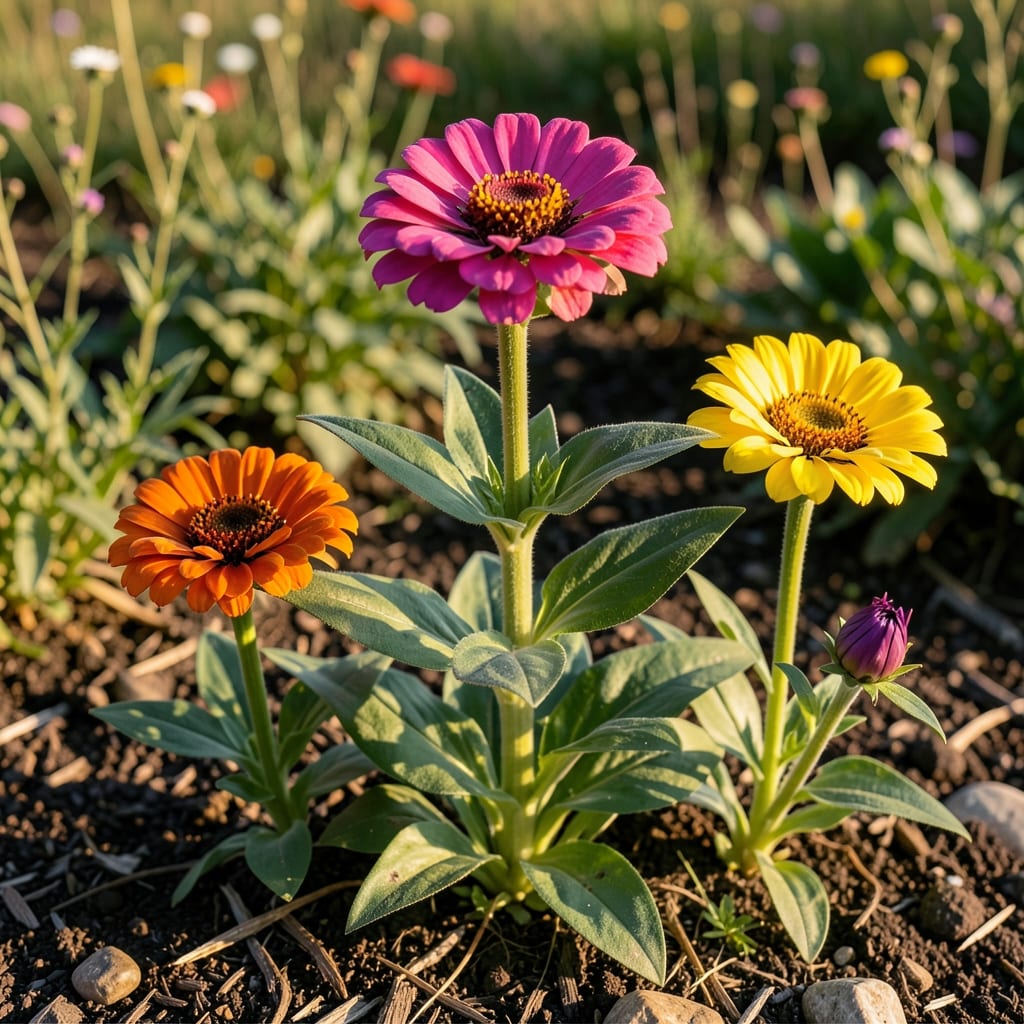
If you're dreaming of a garden bursting with vibrant 🌼 zinnias, you might be wondering just how tall these cheerful blooms can grow—and whether your space can handle them. The answer? Zinnias surprise with their versatility, ranging from tiny 6-inch dwarfs perfect for containers to towering 5-foot giants that steal the show in borders.
But here's the catch: their height isn't just about variety—it's about how you nurture them. Sunlight, soil quality, and even your pruning habits can push those stems higher (or keep them compact). Whether you're planning a backyard oasis or a cozy patio display, understanding these growth factors is your secret weapon for maximizing height without sacrificing those stunning blooms.
Let's break down the height spectrum of zinnias, from pint-sized charmers to sky-reaching varieties, and share the simple tricks to help them reach their full potential. You'll learn which varieties need support, how to encourage extra growth, and why some zinnias flop when others stand tall.
Ready to transform your garden into a zinnia wonderland? The right variety and care can turn your space into a vertical rainbow—without the fuss. Let's get growing!

Zinnia height by variety: dwarf to giant range explained
Zinnias aren't just one-size-fits-all plants—they're a height spectrum waiting to be explored. Whether you're working with a tiny balcony or a sprawling backyard, there's a zinnia variety that will fit perfectly. The key is understanding how each category grows, so you can choose the perfect match for your space and vision.
From 6-inch dwarfs that spill beautifully over container edges to 5-foot giants that command attention in borders, zinnias offer dramatic variety. Even within these extremes, you'll find surprising variations—like the Benary's Giant that can reach 4 feet with proper care, or the Thumbelina series that stays neatly under 12 inches.
Here's the breakdown you need to plan your garden layout with confidence:
| Variety Category | Height Range | Best For | Care Notes |
|---|---|---|---|
| Dwarf | 6-12 inches | Containers, window boxes, fairy gardens | No staking needed; perfect for small spaces |
| Semi-Dwarf | 1-2 feet | Beds, borders, cutting gardens | Minimal support; great for pollinators |
| Standard | 2-3 feet | Cut flower arrangements, mixed borders | Light staking may be needed in windy areas |
| Tall | 3-4 feet | Backdrop plants, tall arrangements | Requires staking; prune for bushier growth |
| Giant | 4-5 feet | Statement plants, focal points | Heavy staking needed; deadhead regularly |
| Pro Tip | All varieties can grow 10-20% taller with proper sunlight and support! | ||
If you're wondering how to maximize height in your zinnias, focus on the giant varieties like Benary's Giant or State Fair. These can reach their full 5-foot potential when given full sun and regular deadheading. For a more compact look, Thumbelina or Crystal varieties stay neatly under 12 inches—perfect for container gardens or window boxes.
The color spectrum also plays a role in height expectations. Darker varieties like deep red or purple zinnias often grow slightly taller than their lighter yellow or white counterparts, thanks to their ability to absorb more sunlight. This means you can use color to influence both height and garden drama!
For cutting gardens, medium-height varieties like Profusion or Magellan are ideal—they provide long stems for arrangements while staying manageable in the garden. These typically reach 2-3 feet and produce continuous blooms with minimal care, making them a favorite for both beginners and experienced gardeners.
One common misconception is that all tall zinnias need heavy staking. While it's true that 4-foot varieties benefit from support, even 2-foot zinnias can flop in windy conditions. The secret is to prune regularly—removing spent blooms encourages bushier growth with stronger stems. This simple habit can turn a floppy plant into a sturdy one, even without staking.
Pro tip: If you're growing zinnias in containers, choose dwarf varieties like Crystal or Lilliput. These stay under 12 inches and thrive in 5-gallon pots with proper drainage. For larger containers, semi-dwarf varieties can reach 2 feet while still fitting well in patio spaces.
Remember, the height of your zinnias isn't set in stone—it's influenced by your care routine. With the right sunlight, soil, and support, even a dwarf variety can grow an inch or two taller than expected. The key is to observe and adjust throughout the growing season.
Factors that affect zinnia height: sunlight, soil, and spacing secrets
Zinnia height isn't just about the variety you choose—it's also about how you create the perfect growing conditions. Sunlight, soil quality, and proper spacing can push those stems toward their full potential or hold them back. Let's dive into the key factors that transform your zinnias from modest to magnificent.
First, sunlight is non-negotiable for tall zinnias. These sun-loving plants need at least 6-8 hours of direct sunlight daily to reach their maximum height. Without enough light, stems become leggy and weak, struggling to support those vibrant blooms. If your garden gets less than 6 hours of sun, consider growing dwarf varieties instead—they'll still thrive in partial shade.
Next up is soil quality. Zinnias love well-draining soil rich in organic matter. Heavy, compacted soil can stunt growth, while nutrient-rich soil with compost helps them reach their full height. Before planting, mix in 2-3 inches of compost to give your zinnias the nutrients they need to grow strong and tall.
Don't overlook spacing—it's a game-changer for height. Crowded zinnias compete for nutrients and light, leading to shorter, weaker stems. Follow the spacing guidelines for your variety: 12-18 inches apart for standard zinnias and 6-12 inches apart for dwarfs. Proper spacing ensures good airflow, reducing the risk of fungal diseases that can weaken stems.
Here's a growth hack to coax extra inches from medium-height zinnias: prune strategically. Pinch back the tips of young plants when they're about 6 inches tall. This encourages bushier growth with stronger stems that can support more blooms—and reach greater heights. Just
Finally, watch out for overwatering. While zinnias need consistent moisture, soggy soil can lead to weak stems that flop instead of standing tall. Water deeply but allow the top inch of soil to dry out between waterings. Mulching around the base helps retain moisture while keeping roots cool—perfect for encouraging steady, upward growth.
With these factors in mind, you'll be well on your way to growing zinnias that reach their full height potential—whether you're aiming for compact containers or towering garden statements. 🌱