
How To
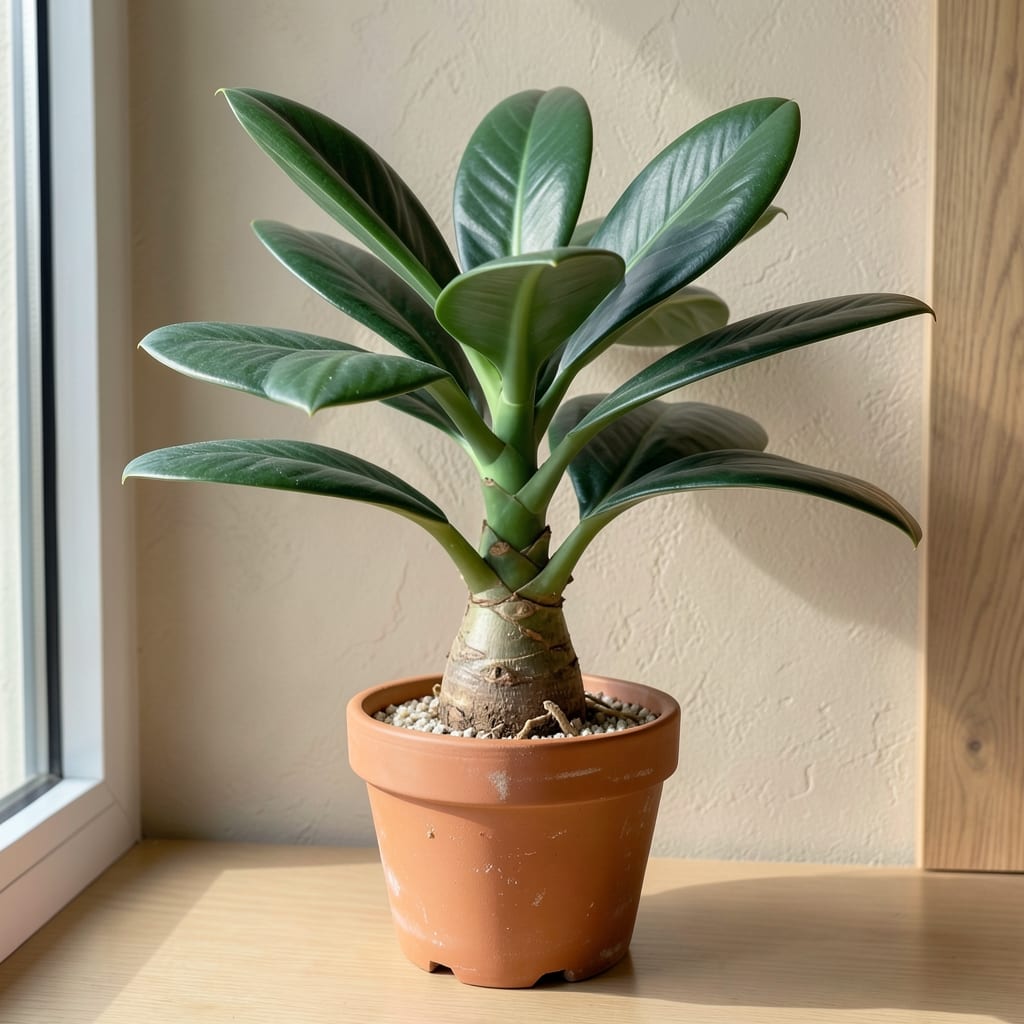
If you’ve ever glanced at your ZZ Plant 🌿 and wondered how tall this plant can grow, whether it’ll one day tower over your bookshelf—or stay neatly contained—you’re asking the right question. This resilient houseplant can surprise you with its growth potential, but without the right care, it might just stretch toward the ceiling instead of maintaining that sleek, compact look.
The truth is, your ZZ Plant’s height depends on far more than just luck. Light exposure, pot size, and even how often you prune play a huge role in whether it stays at a manageable 2-3 feet or shoots up to 6 feet or taller. I’ve seen them grow into impressive indoor giants, but I’ve also helped gardeners keep theirs perfectly proportioned—here’s how you can do the same.
Whether you’re a beginner eager to avoid overgrown plants or an experienced grower looking to fine-tune your care routine, this guide will break down everything you need to know. We’ll cover the science behind ZZ Plant growth, debunk common myths, and share 5 proven techniques to control its height—so you can enjoy its striking foliage without sacrificing your space.
Ready to turn your ZZ Plant into the perfect size for your home? Let’s dive into what really determines its height—and how you can shape its growth from day one.


ZZ plant growth limits: how tall can they really get without pruning?
Your ZZ plant (Zamioculcas zamiifolia) is a slow but steady grower, capable of reaching impressive heights when given the right conditions. Under ideal circumstances, these hardy plants can grow between 3 to 6 feet indoors, though their natural growth in the wild can exceed 10 feet when unobstructed. The key to unlocking their full potential lies in understanding how light exposure, pot size, and humidity levels influence their vertical growth.
Most homeowners find their ZZ plants mature at around 2 to 3 feet within 3-5 years, but this varies widely based on care habits. For example, a ZZ plant in a large, spacious pot with bright, indirect light may grow taller than one confined to a small container. The plant’s growth rate also slows significantly in low-light conditions, which is why many indoor ZZ plants stay compact unless actively encouraged to grow.
🌱 Science-backed growth rates show ZZ plants typically add 4 to 6 inches per year under optimal care. This means a 1-foot-tall plant could reach 3 feet in about 5 years without pruning. However, growth isn’t linear—you’ll notice faster elongation during spring and summer when the plant is most active.
One common misconception is that ZZ plants grow infinitely tall if left unchecked. While they can grow taller, their natural growth habit is more bushy and upright rather than leggy. Without proper care, they may develop bare stems or weak branches, which can actually reduce overall health and aesthetic appeal.
Here’s how environmental factors directly impact height:
| Factor | Impact on Height | Optimal Condition |
|---|---|---|
| Light Exposure | More light = taller growth (up to 6 ft) | Bright, indirect light (2-4 ft from window) |
| Pot Size | Larger pots encourage taller, leggier growth | 1-2 inches larger than root ball |
| Humidity | Low humidity = slower vertical growth | 40-50% humidity (use pebble trays if needed) |
| Fertilizer | Balanced fertilizer promotes steady growth | 5-5-5 NPK, every 6-8 weeks in spring |
| Pruning | Regular pruning = bushier, shorter growth | Trim leggy stems in early spring |
If you’re aiming for a taller ZZ plant, focus on providing bright, indirect light and a spacious pot. Place your plant near a north or east-facing window to encourage upward growth without risking leaf scorch. Avoid placing it in direct sunlight, which can cause leaf burn and stunt growth.
For those with limited space, root-bound conditions can actually slow vertical growth. When your ZZ plant’s roots fill its container, it may focus energy on leaf production rather than height. This is why repotting every 2-3 years can help maintain a balance between size and health. However, if you intentionally keep your plant root-bound, it will naturally stay shorter and bushier.
🌿 Pro Tip: Rotate your ZZ plant every few months to ensure even growth. Uneven light exposure can cause one side to grow taller than the other, leading to a lopsided appearance. A simple quarter-turn every 4-6 weeks keeps your plant symmetrical and encourages balanced height.
Understanding your ZZ plant’s growth limits isn’t just about height—it’s about creating a healthy, thriving specimen that fits your space and lifestyle. Whether you’re aiming for a floor-filling statement plant or a compact desk companion, the right care techniques will help you achieve your goal without sacrificing the plant’s long-term health.
ZZ plant growth limits: how tall can they really get without pruning?
Your ZZ Plant 🌿 can grow taller than you might expect—especially if you’re used to seeing them as compact desk companions. Under ideal conditions, these plants can reach heights of 3 to 6 feet indoors, though most stay around 2 to 3 feet with proper care. In their native habitats, they’ve even been documented growing up to 10 feet tall, proving they’re not just small-space plants.
The key to controlling height lies in understanding their growth habits. ZZ Plants grow from underground rhizomes, which store water and nutrients, allowing them to stretch toward light when conditions are right. Without pruning, they’ll naturally grow taller, but their speed depends on factors like light exposure, pot size, and humidity. Let’s break down what influences their height and how you can work with it.
🌱 Did You Know? ZZ Plants grow about 6 to 12 inches per year under optimal conditions. This means a plant that starts at 1 foot tall could reach 3 feet in just 3 years if left unchecked.
| Growth Factor | Impact on Height | Ideal Conditions |
|---|---|---|
| Light Exposure | More light = taller growth | Bright, indirect light (2-4 hours/day) |
| Pot Size | Smaller pots = slower growth | 1-2 inches larger than roots |
| Humidity | Low humidity = slower growth | 40-50% humidity (average home levels) |
| Pruning | Regular pruning = controlled height | Trim back by 1/3 when overgrown |
Light is the biggest factor in determining how tall your ZZ Plant grows. These plants are phototropic, meaning they’ll lean or stretch toward the light source. If placed in a low-light corner, they’ll grow slower but may become leggy. On the other hand, too much direct sunlight can scorch their leaves, slowing growth altogether. Finding that sweet spot of indirect light is key to encouraging healthy, balanced growth.
Pot size also plays a surprising role. When roots become root-bound, the plant focuses energy on filling the pot rather than growing taller. This is why many gardeners keep ZZ Plants in slightly smaller containers to control their height. However, if you want a taller plant, opt for a larger pot (12-16 inches in diameter) and provide ample nutrients to support upward growth.
💧 Pro Tip: If your ZZ Plant starts to outgrow its space, don’t panic! Pruning is a simple way to reset its height. Cut back overgrown stems to 6 inches from the base, and the plant will regrow bushier and more compact. Just be sure to use clean, sharp scissors to avoid damaging the stems.