
Size
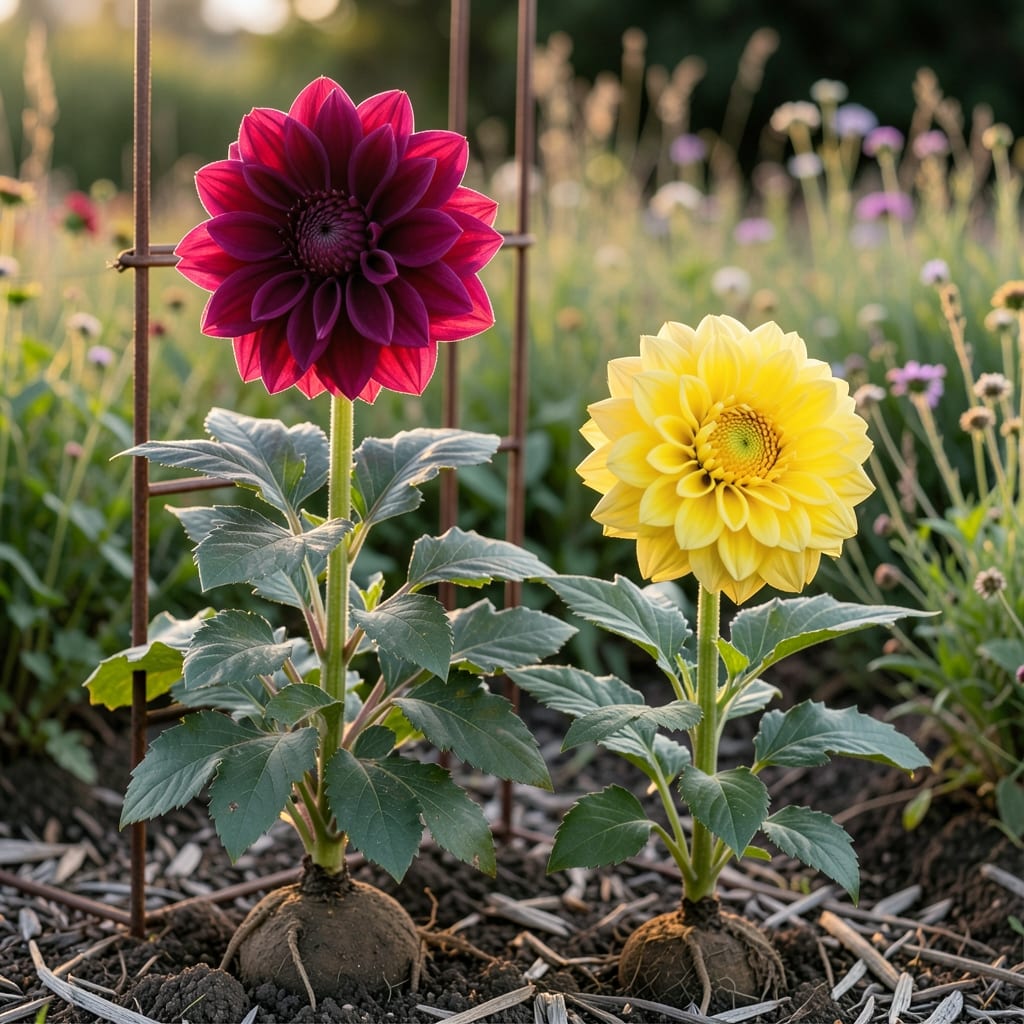
If you’ve ever wondered how tall dahlias grow, you’re not alone—these stunning blooms can reach heights that surprise even experienced gardeners. From delicate 1-foot dinnerplate varieties to towering giants stretching 7 feet or more, their size varies wildly depending on the type and care you provide.
Picture this: a 🌼 Café au Lait dahlia, with its creamy petals, standing proudly at just 2-3 feet, perfect for borders or containers, while a Galaxy variety might soar to 5-6 feet, demanding sturdy staking for those dramatic, otherworldly blooms.
But here’s the catch—without proper spacing, sunlight, and support, even the most compact dahlia can flop or struggle. I’ll break down exactly how to manage their height, from choosing the right variety for your space to mastering staking techniques that keep them standing tall all season.
Whether you’re dreaming of a lush garden bed or a show-stopping cut-flower display, understanding these height ranges is your first step to growing dahlias that wow. Let’s get started!


Dahlia height ranges by variety type (with staking requirements)
Dahlias aren’t one-size-fits-all when it comes to height—some varieties stay compact enough for container gardens, while others need the space of a backyard border. The key is choosing the right type for your space and understanding their staking needs. Below, I’ve broken down the most common dahlia classifications, their mature heights, and whether they’ll stand tall on their own or need support.
For example, miniature dahlias like ‘Mignon’ stay under 18 inches, making them perfect for window boxes or small pots. Meanwhile, giant varieties such as ‘Black Narcissus’ can reach 6-7 feet, demanding sturdy trellises or cages to prevent flopping. Let’s dive into the specifics so you can pick the perfect dahlia for your garden’s layout.
| Variety Type | Mature Height | Staking Needs | Best For |
|---|---|---|---|
| Miniature Dahlias | 12–18 inches | None (self-supporting) | Containers, window boxes, small borders |
| Semi-Dwarf Dahlias | 2–3 feet | Light support (optional) | Front of borders, mixed beds, large pots |
| Standard Dahlias | 3–5 feet | Moderate support (stakes or cages) | Back of borders, cut flower gardens |
| Giant Dahlias | 5–7 feet | Heavy support (trellises or wide cages) | Focal points, large spaces, cut flower arrangements |
| Dinnerplate Dahlias | 3–6 feet | Moderate to heavy support | Cut flowers, statement plants, mixed borders |
If you’re growing dahlias for cut flowers, taller varieties like ‘Galaxy’ or ‘Café au Lait’ are ideal—their 5-6 foot stems provide long-lasting bouquets. But here’s a pro tip: even self-supporting varieties (like miniatures) benefit from a light cage or ring stake if you’re in a windy area or heavy blooms risk toppling them.
For container gardening, stick to miniature or semi-dwarf varieties. A 12-inch pot works for miniatures, while semi-dwarfs need at least a 16-inch container with drainage holes. Overcrowding roots in small pots will stunt growth, so always check the variety’s mature size before planting.
One common mistake gardeners make is assuming all dahlias need the same care. For instance, ‘Bishop’ dahlias (a standard type) grow 4-5 feet but have delicate stems, so they need individual stakes every 12 inches. In contrast, ‘Thomas Edison’ (a giant) can handle a wide cage shared with 2-3 plants for support.
Proper spacing isn’t just about height—it’s about airflow. Dahlias planted too closely (less than 12 inches apart) compete for nutrients and sunlight, leading to stunted growth and fewer blooms. I recommend spacing standard dahlias 18–24 inches apart and giants 2–3 feet apart to give their roots room to spread.
Another factor that affects height is pruning technique. Pinching back young shoots in early summer encourages bushier growth and more blooms, but it can also reduce mature height by 10–20%. If you’re growing a tall variety for cut flowers, minimal pruning (just removing deadheads) will let it reach its full potential.
For seasonal growth patterns, dahlias grow slowly in spring (reaching 1–2 feet by June), then shoot up rapidly in summer with proper care. By late August, most varieties hit 70–80% of their mature height. This is why late pruning (after July) can backfire—it robs you of those late-season blooms that extend your harvest.
If you’re planning a dahlia border, mix heights for visual interest. Place miniatures in front, standard varieties in the middle, and giants at the back. This creates a layered effect that draws the eye and makes the most of your garden’s vertical space. Just remember: taller dahlias cast longer shadows, so avoid planting sun-loving annuals beneath them.
Finally, don’t overlook soil quality—rich, well-draining soil with compost or aged manure helps dahlias reach their full height potential. Poor soil can stunt growth by up to 30%, so always amend your beds before planting. With the right variety, spacing, and care, your dahlias will stand tall and proud all season long.
Dahlia height ranges by variety type (with staking requirements)
Dahlias come in a stunning array of heights, from compact dinnerplate varieties that fit perfectly in containers to giant dinnerplate types that reach skyscraper proportions. The key to managing their height lies in understanding their maturity classifications and growth habits. Miniature dahlias typically stay between 1-2 feet, making them ideal for borders or window boxes, while standard varieties can soar to 5-7 feet, requiring strategic staking and spacing.
I’ve grown everything from Café au Lait (2-3 feet) to Galaxy varieties (5-6 feet), and the difference in care is night and day. For example, those 1-foot ‘Tom Thumb’ dahlias thrive without support, while ‘Black Narcissus’ giants need heavy-duty cages to hold their 6-foot stems upright. Let’s break down the height spectrum so you can choose the perfect variety for your space.
| Variety Type | Height Range | Staking Needs | Best For |
|---|---|---|---|
| Miniature | 1-2 ft | None (self-supporting) | Containers, borders, window boxes |
| Semi-Dwarf | 2-4 ft | Light support (optional) | Cut flowers, mixed beds |
| Standard | 4-7 ft | Heavy-duty stakes/cages | Backyard displays, cut arrangements |
| Giant Dinnerplate | 5-7+ ft | Extreme support (trellis or cages) | Specialty gardens, floral events |
One of my favorite discoveries was how ‘Bishop’ dahlias (3-4 feet) hold their own without staking if planted in well-draining soil with regular pruning. Their bushy growth naturally supports their blooms, while ‘Karma Choc’ (6 feet) demands metal cages to prevent flopping in my Zone 6a garden. The height differences also affect their bloom display—taller varieties often produce fewer but larger flowers, while shorter types offer prolific smaller blooms perfect for cutting.
Here’s a pro tip: if you’re growing dahlias in containers, choose miniature or semi-dwarf varieties like ‘Café au Lait’ or ‘Pink Diamond’ (2-3 feet). These thrive in 12-inch pots with proper drainage, while standard types need 18-inch minimum containers and deep planting to stabilize their roots. I once tried growing a ‘Galaxy’ in a 15-gallon pot, and while it survived, the blooms were 30% smaller due to root restriction.
For those planning a cut-flower garden, taller varieties like ‘Café au Lait’ or ‘Thomas Edison’ (4-5 feet) are game-changers. Their long, sturdy stems hold up beautifully in arrangements, and their height allows you to space them 2-3 feet apart without overcrowding. Just remember: the taller the dahlia, the more water and nutrients it’ll need to support its massive foliage and blooms.
If you’re new to dahlias, start with semi-dwarf varieties like ‘Mignon’ (2-3 feet) or ‘Happy Single’ (3-4 feet). They’re forgiving, low-maintenance, and perfect for testing your garden layout before committing to giants. And always check the seed packet or plant tag—some “standard” dahlias can surprise you by reaching 7 feet if given ideal conditions!
🌼