
How To
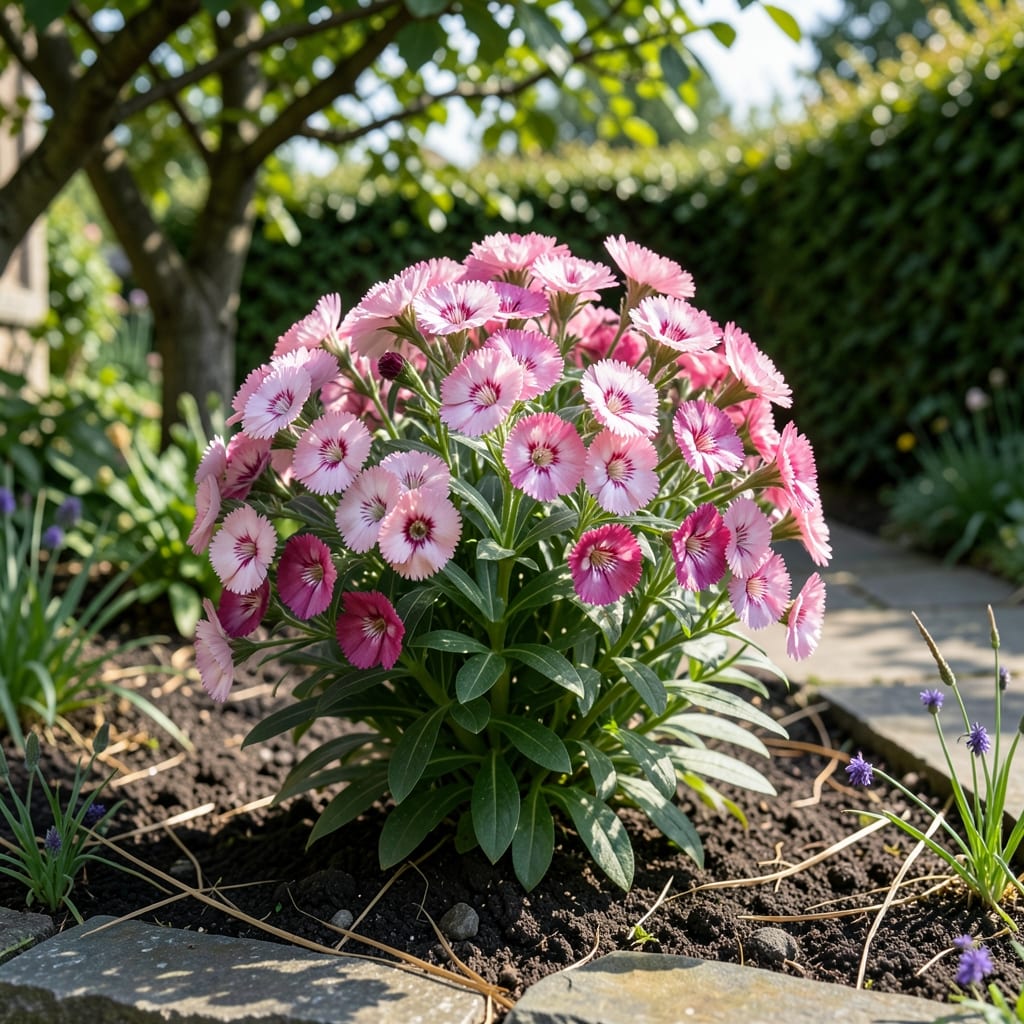
If you're wondering how tall Dianthus grow, the answer might surprise you—these charming flowers can be both tiny tabletop accents or bold garden statement-makers, depending on the variety you choose. Whether you're working with limited containers or dreaming of a cottage-garden border, understanding their height potential is the first step to creating the perfect look.
The key to getting the most out of your 🌸 Dianthus lies in selecting the right cultivar for your space. Some varieties stay compact at just 6 inches tall, perfect for window boxes or rock gardens, while others can reach towering heights of 3 feet or more. The difference often comes down to genetics, care habits, and even your local climate in zones like 6a.
In this guide, I'll break down exactly what to expect from different Dianthus types—whether you're growing Sweet Williams for their dramatic spikes or Pinks for their delicate clusters. You'll also discover how simple pruning techniques can help you control height and encourage bushier, more abundant blooms all season long.
Ready to transform your garden? Let's explore the world of Dianthus heights so you can pick the perfect variety—and care strategies—to make your outdoor space truly stand out.


Dianthus height ranges: compact varieties vs. tall garden giants
When planning your garden, knowing how tall Dianthus grow helps you choose the perfect varieties for your space. These flowers span a surprising range—from 4-inch tabletop gems to 3-foot cottage garden stars. The difference often comes down to whether you're growing Sweet Williams (tall spikes) or Pinks (compact clusters). Let's explore the height spectrum so you can pick the perfect fit for your garden design.
Dwarf varieties like 'Firewitch' stay under 6 inches, making them ideal for window boxes or rock gardens. These tiny powerhouses pack big color into small spaces, while mid-height types (12-18 inches) create perfect border accents. At the other end, varieties like 'Fireworks' can reach 24+ inches, adding dramatic vertical interest to mixed borders. The key is matching your space requirements with the right cultivar.
Here's a quick height guide to help you visualize the possibilities before planting:
| Variety Type | Height Range | Best For | Bloom Time |
|---|---|---|---|
| Dwarf Pinks | 4-8 inches | Containers, rock gardens | Spring-Fall |
| Semi-Dwarf | 8-12 inches | Borders, mixed beds | Summer |
| Standard Pinks | 12-18 inches | Cut flowers, cottage gardens | Late spring-early fall |
| Sweet Williams | 18-24 inches | Back of borders, mass plantings | Summer |
| Tall Varieties | 24-36 inches | Cutting gardens, focal points | Mid-late summer |
The Sweet Williams group deserves special attention for their dramatic height potential. Varieties like 'Fireworks' can reach 3 feet tall, creating stunning vertical accents in cottage-style gardens. These taller types also produce longer stems (up to 24 inches), making them excellent cut flowers for arrangements. If you're growing in USDA Zone 6a, these varieties thrive with proper winter mulching to protect their woody stems.
For container gardening, focus on the dwarf varieties like 'Tiny Rubies' or 'Baby Boomer', which stay under 6 inches tall. These work beautifully in 6-inch pots or window boxes, adding color without overwhelming small spaces. The secret to keeping them compact? Regular pinching back in early spring to encourage bushier growth rather than tall stems. This technique works for all Dianthus but is especially critical for container varieties.
One common mistake gardeners make is assuming all Dianthus grow the same height. In reality, the difference between a 4-inch Pink and a 3-foot Sweet William comes down to genetics and care. For example, 'Rainbow' Sweet Williams can reach 24 inches with proper spacing (12-18 inches apart), while 'Firewitch' stays under 6 inches even with minimal pruning. Always check the specific cultivar's height range before planting to avoid crowding or wasted space.
Seasonal growth patterns also affect perceived height. Most Dianthus grow 6-12 inches their first year, then reach full maturity (12-24 inches) by their second or third year. This gradual growth makes them perfect for layered garden designs, where you can plant taller varieties at the back and shorter ones in front. The key is giving them enough space to reach their mature height without competing with neighboring plants for sunlight and nutrients.
If you're planning a cutting garden, prioritize taller varieties like 'Fireworks' or 'Rainbow' Sweet Williams. These produce long, sturdy stems that hold up well in bouquets. For dried flowers, choose varieties with compact clusters like 'Matrona', which stay under 12 inches but produce abundant blooms perfect for drying. Always harvest flowers when buds are just opening to maximize vase life and encourage more blooms.
Remember that pruning habits can adjust final height by up to 30%. Aggressive deadheading promotes bushier growth, while minimal pruning allows stems to elongate. For the tallest Sweet Williams, reduce pruning in early summer to encourage vertical growth. For compact Pinks, pinch back regularly to maintain their tidy form. The right pruning strategy can turn a 12-inch plant into a 18-inch
Dianthus height ranges: compact varieties vs. tall garden giants
When planning your garden, Dianthus height can make or break your design vision. These flowers come in three distinct size categories that cater to everything from window boxes to cottage garden borders. The smallest varieties, like 'Firewitch', stay under 6 inches, while tallest cultivars like 'Rainbow' can reach 3 feet or more. Understanding these differences helps you choose the perfect fit for your space.
The most compact Dianthus are ideal for rock gardens, containers, or edging. These dwarf varieties (4-8 inches) include 'Tiny Rubies' and 'Pixie'. On the other end of the spectrum, tall border plants (24+ inches) like 'Fireworks' create dramatic vertical accents. Even standard varieties (12-24 inches) offer versatility for mixed borders.
Here's how different Dianthus types stack up in terms of mature height and ideal growing conditions:
| Variety Type | Mature Height | Best For | Bloom Season |
|---|---|---|---|
| Dwarf Pinks | 4-8 inches | Containers, rock gardens | Spring-Fall |
| Semi-Dwarf Sweet Williams | 8-12 inches | Window boxes, borders | Late Spring-Summer |
| Standard Border Plants | 12-24 inches | Mixed borders, cottage gardens | Summer-Fall |
| Tall Cottage Varieties | 24-36 inches | Back of borders, cut flowers | Mid-Summer-Fall |
One surprising factor in Dianthus height is their first-year growth. Many varieties start small (6-12 inches) but can double in height by their second year. This makes them excellent long-term investments for gardeners willing to wait for their full potential. The Firewitch series, for example, begins at just 4 inches but can reach 8 inches with proper care.
For USDA Zone 6a gardeners, timing matters too. Planting in March-April gives Dianthus enough time to establish roots before summer heat. The soil type also plays a role—well-draining mixes prevent root rot, which can stunt growth. Amend heavy clay soils with compost to encourage taller, healthier plants.
Remember that height isn't everything—some of the most charming Dianthus varieties are the compact ones that spill beautifully over container edges. The key is matching your variety to your space while keeping in mind that most Dianthus will bush out wider than they grow tall. This makes them perfect for layered garden designs where you want both height and spread.