
How To
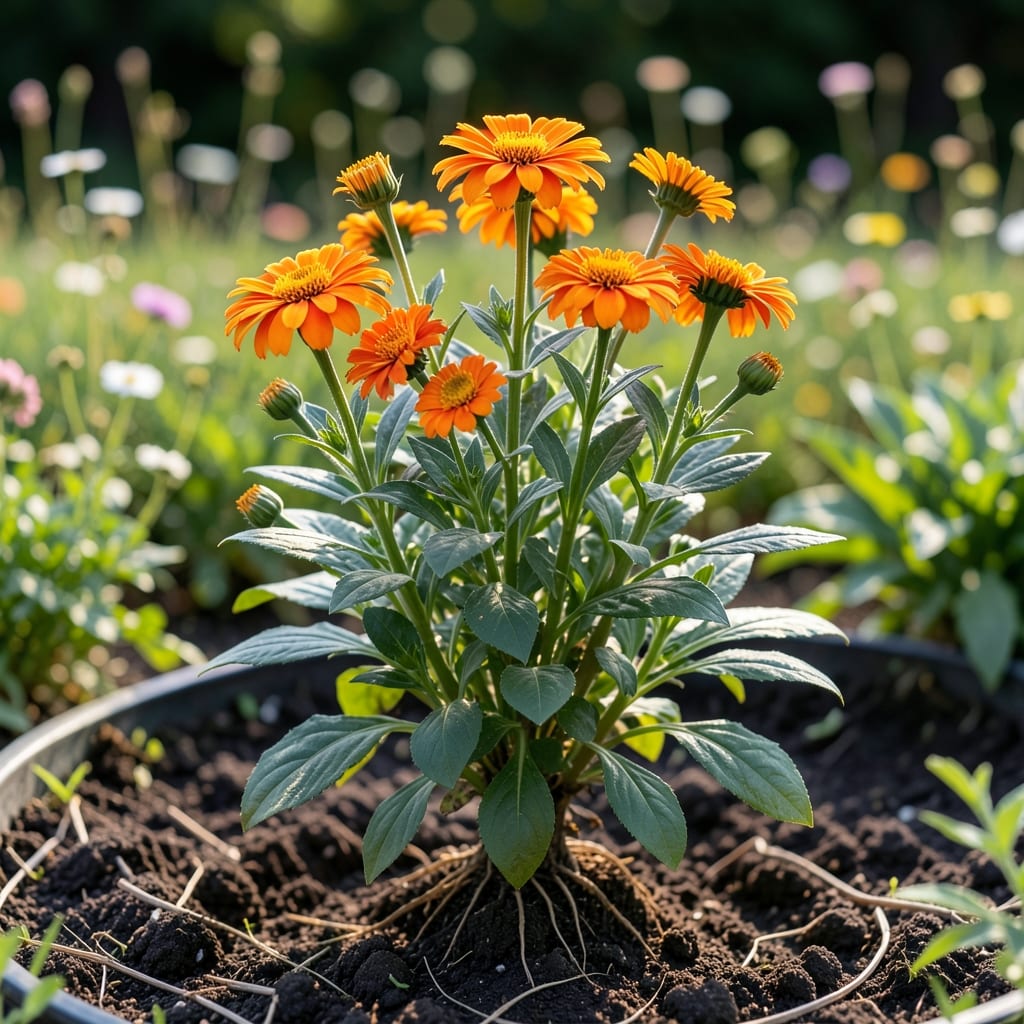
Wondering how tall do African marigolds grow in your garden? These vibrant 🌼 blooms can range from compact 6-inch dwarfs to towering 3-foot giants, depending on the variety—and that makes them incredibly versatile for any space.
If you're planning a border, container garden, or cut-flower patch, knowing the height difference between varieties like 'Tangerine Gem' (staying under 18 inches) and 'Janie' (reaching nearly 3 feet) is the key to perfect spacing. Too close, and they'll compete for sunlight; too far apart, and your garden will look sparse.
What's even more surprising? Their growth habits change based on sunlight, soil, and even pruning. A sunny spot can push taller varieties upward, while regular deadheading keeps them bushier and more compact. For beginners, this means you can easily adjust their height with simple care.
Ready to pick the perfect variety for your garden? I’ll break down the height ranges, growth tips, and best placement strategies so you can create a stunning display—whether you have a tiny balcony or a sprawling backyard.


African marigold height ranges by variety: compact vs tall types
African marigolds (Tagetes erecta) come in a stunning array of heights, from 6-inch dwarfs perfect for window boxes to 36-inch giants that dominate borders. The variety you choose directly impacts your garden layout—whether you're aiming for a hedge effect or a cut-flower display. Let’s break down the most popular types by height, so you can pick the perfect fit for your space.
Dwarf varieties like 'Tangerine Gem' and 'Discovery' stay under 18 inches, making them ideal for containers, window boxes, or edging. These compact plants thrive in small spaces and deliver bold colors without overwhelming your design. Meanwhile, semi-dwarf types like 'Janie' and 'Fireball' reach 24-30 inches, striking a balance between height and manageability.
For taller displays, 'African Queen' and 'Petite Gold' can grow up to 36 inches, perfect for back borders or cut-flower gardens. These giants need more space but reward you with longer stems and extended blooming seasons. Pro tip: If you love the look of tall marigolds but have limited space, consider pruning to control their height—it’s a game-changer for smaller gardens.
Here’s a quick visual guide to help you compare the most popular varieties and plan your garden layout like a pro:
| Variety | Height Range | Best For | Bloom Color |
|---|---|---|---|
| Tangerine Gem | 12-18 inches | Containers, window boxes | Orange |
| Discovery | 12-16 inches | Edging, small borders | Yellow, orange |
| Janie | 24-30 inches | Borders, cut flowers | Orange |
| Fireball | 20-24 inches | Mixed borders, pollinator gardens | Red-orange |
| African Queen | 30-36 inches | Back borders, cut-flower displays | Dark red |
| Petite Gold | 30-36 inches | Tall hedges, cut arrangements | Golden yellow |
If you’re growing African marigolds for cut flowers, taller varieties like 'African Queen' or 'Petite Gold' are your best bet—their longer stems make stunning bouquets. But if you’re working with limited space, dwarf varieties like 'Tangerine Gem' or 'Discovery' will still deliver vibrant blooms without taking over your garden.
One thing to watch? Sunlight exposure can tweak their height. African marigolds in full sun tend to grow taller and bushier, while those in partial shade may stay shorter but produce fewer blooms. For the most compact growth, plant in well-draining soil and deadhead regularly—this encourages a bushier, more controlled shape.
For example, my 'Janie' marigolds in a sunny border reached nearly 30 inches by midsummer, while the same variety in a partially shaded container stayed around 24 inches. The difference was striking—and it’s a reminder that even within the same variety, your growing conditions can influence height.
Ready to pick your perfect variety? Next, I’ll show you how to match African marigold heights to your garden layout—whether you’re creating a pollinator-friendly hedge, a container display, or a cut-flower patch.
How to choose African marigolds by height for your garden layout
Choosing the right African marigold height isn’t just about aesthetics—it’s about creating a functional and balanced garden. Taller varieties like 'African Queen' (up to 36 inches) thrive as backdrop plants or cut-flower stalwarts, while dwarf types like 'Tangerine Gem' (under 18 inches) shine in containers or window boxes. The secret? Matching their height to your space’s needs and sunlight.
For small gardens or balconies, prioritize dwarf or semi-dwarf varieties. These stay under 24 inches, making them ideal for pollinator-friendly hedges or edging. My 'Discovery' marigolds in a 12-inch pot bloomed nonstop all summer without crowding nearby herbs. Meanwhile, taller varieties need 18-24 inches of space between plants to avoid competition for sunlight and nutrients.
Here’s how to pair African marigolds with your garden goals:
- Best Varieties: 'Tangerine Gem', 'Discovery' (under 18 inches)
- Spacing: 6-8 inches apart
- Bonus: Deadhead to encourage continuous blooms
- Best Varieties: 'Janie', 'Fireball' (20-30 inches)
- Spacing: 12-18 inches apart
- Tip: Plant in rows for a neat, uniform look
- Best Varieties: 'African Queen', 'Petite Gold' (30-36 inches)
- Spacing: 18-24 inches apart
- Pro Tip: Stake taller stems to prevent flopping
- Best Varieties: 'Fireball', 'Janie' (attract bees & butterflies)
- Plant With: Nasturtiums or Zinnias for color contrast
- Avoid: Overcrowding—keep 12+ inches from other plants
Sunlight plays a sneaky role in height too. In full sun, African marigolds grow taller and bushier, while partial shade can stunt their growth—though blooms may become sparser. For example, my 'Petite Gold' marigolds in a south-facing border hit 36 inches, but the same plants in a morning-shade spot maxed out at 30 inches. Always plant taller varieties where they won’t overshadow shorter perennials.
If you’re unsure about spacing, start with dwarf varieties—they’re forgiving and let you experiment. Then, as you gain confidence, mix in taller types for height and drama. Pro move: Group plants by height in three tiers—tall in back, medium in middle, and dwarf in front—for a professional look with minimal effort.
Ready to transform your space? Next, I’ll share how to control height naturally—because even tall varieties can stay compact with the right care tips.