
Size
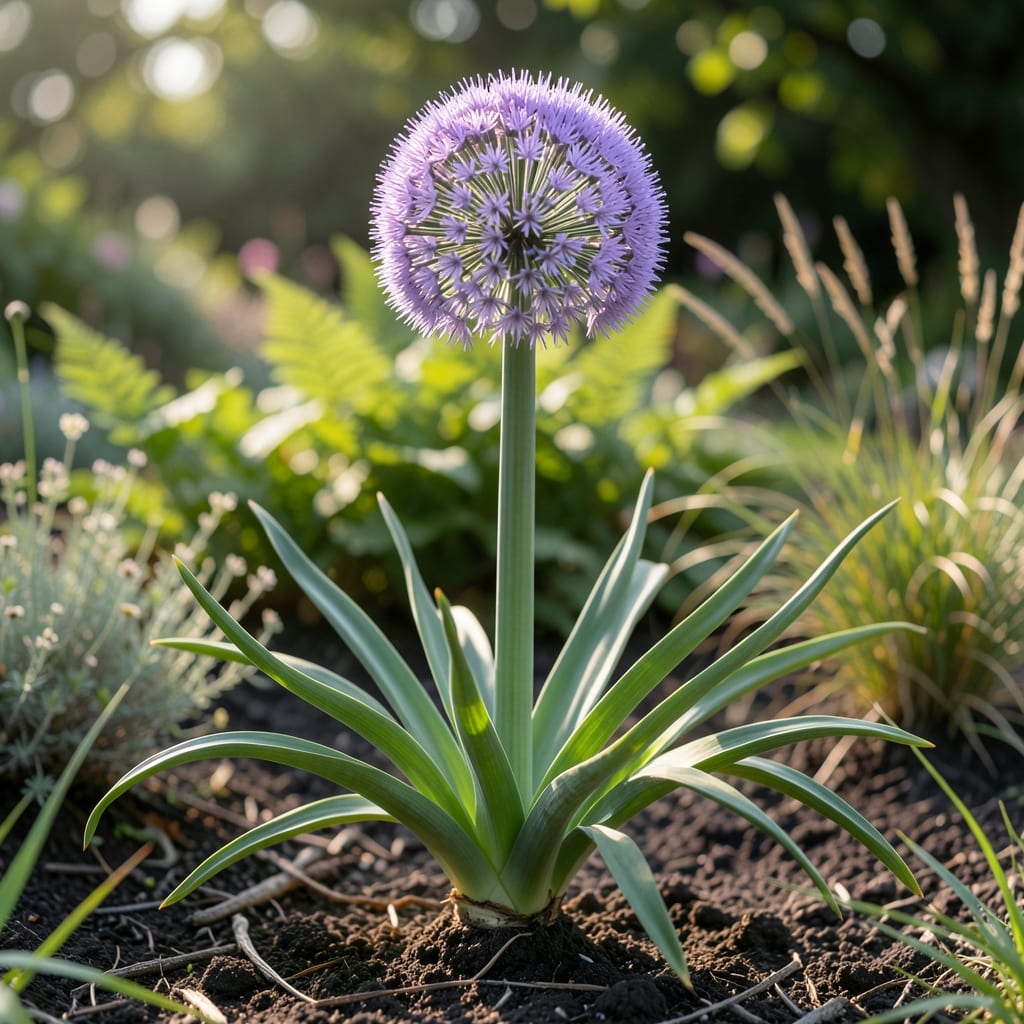
If you’ve ever planted alliums and wondered how tall do allium grow, you’re not alone—these striking flowers can transform from modest clumps to dramatic garden focal points overnight. Some varieties barely clear your knee, while others shoot skyward like nature’s own skyscrapers, reaching heights of 4 feet or more in ideal conditions.
The secret lies in the species: Allium giganteum 🌸, for example, can soar to 6 feet in perfect conditions, while dwarf varieties like Allium schubertii stay cozy at just 12 inches. Your USDA Zone 6a climate plays a role too—spring-planted bulbs in March-April need the right soil and sunlight to hit their full potential.
But here’s the game-changer: even within the same variety, factors like spacing, sunlight exposure, and soil nutrients can push your alliums to their limits—or keep them on the shorter side. I’ll break down exactly which varieties max out vertically and how to encourage (or control) their growth for a garden that’s both stunning and practical.
Ready to turn your garden into a vertical masterpiece? Let’s explore the height ranges, seasonal tips, and spacing tricks that will have your alliums reaching for the sky—without taking over your entire yard.


Allium height ranges by variety: from dwarf to giant flowering spikes
Alliums are the vertical superstars of the garden world, with heights ranging from tiny tabletop varieties to 6-foot giants. The key to understanding their growth lies in recognizing three distinct height categories: dwarf, medium, and tall. Each category includes specific varieties that will transform your garden’s structure, whether you’re aiming for a low-border or a dramatic backdrop.
For example, Allium schubertii stays modest at 12–24 inches, perfect for edging pathways or filling gaps in rock gardens. Meanwhile, Allium giganteum can reach 5–6 feet—taller than most people!—making it a statement piece in cottage gardens or mixed borders. Even within these categories, your USDA Zone 6a climate and planting timing (March–April) will influence how close they get to their maximum potential.
Let’s dive into the specifics: which varieties hit which heights, and how to plan your garden layout around their mature sizes. The right spacing and support can mean the difference between a flopping mess and a show-stopping display.
Notice how Allium giganteum and Allium cristophii dominate the height charts? These giants need full sun exposure (6+ hours daily) and well-draining soil to reach their full potential. Plant them in south-facing spots where they’ll bask in morning sunlight, and avoid windy areas where their top-heavy spikes might flop.
If you’re working with limited vertical space, dwarf varieties like Allium moly (8–12 inches) are perfect for container gardens or window boxes. Their golden blooms add color without overwhelming smaller spaces. For medium-height alliums like Allium karataviense, space them 12–18 inches apart to prevent overcrowding and encourage taller growth.
Pro tip: Mix heights in your garden beds! Pair tall alliums (like Allium giganteum) with low-growing perennials (such as thyme or sedum) to create layered visual interest. This not only maximizes your garden’s vertical real estate but also makes maintenance easier—you won’t have to constantly trim floppy stems.
One common mistake gardeners make is underestimating allium growth. If you plant Allium giganteum too close to a fence or patio, its mature height could lead to frustrating pruning or even damaged blooms. Always check the mature height before planting and give taller varieties at least 2–3 feet of clearance on all sides.
For USDA Zone 6a gardeners, timing is everything. Plant bulbs in March–April, about 6–8 weeks before your last frost (April 15). This gives them enough time to establish roots before summer heat sets in. In shorter-season climates, aim for early-spring planting to ensure they reach their full height before
Allium height ranges by variety: from dwarf to giant flowering spikes
When you plant allium bulbs, their mature height can vary dramatically depending on the variety. Some stay compact at just 8 inches, while others shoot up like garden skyscrapers reaching 6 feet. The key is understanding your allium’s genetic potential—and how to help it reach (or control) that height in your USDA Zone 6a climate.
I’ve grown everything from Allium schubertii (my 2-foot garden workhorse) to Allium giganteum (the 6-foot showstopper). The difference comes down to species: globemaster alliums stay short, while giant alliums need space to stretch their legs. Let’s break down the height ranges so you can plan your garden layout with confidence.
🌱 Visual Height Comparison:
| Variety | Height Range | Best For | Spacing Needs |
|---|---|---|---|
| Allium schubertii | 12–24 in | Borders, containers | 6–12 in apart |
| Allium sphaerocephalon | 24–36 in | Cut flowers, cottage gardens | 12–18 in apart |
| Allium cristophii | 36–48 in | Back of borders | 18–24 in apart |
| Allium giganteum | 48–72 in | Focal points, tall gardens | 24–36 in apart |
The tallest alliums like Allium giganteum need full sun (6+ hours daily) to reach their maximum height. Plant them where they won’t be crowded—these giants need 2 feet of space to avoid flopping in wind or competing for nutrients. For shorter varieties like Allium schubertii, you can tuck them into containers or along pathways where their 12-inch stature adds texture without dominance.
Pro tip: If you’re in a short-season climate, plant bulbs in March for early blooms. The earlier they establish roots, the taller they’ll grow by May-June peak season. I’ve seen Allium cristophii hit 4 feet in ideal conditions—just give them well-draining soil and consistent moisture during their first year.
For windy areas, stake taller varieties like Allium giganteum before they flower. Their 6-foot spikes can bend under pressure, but a simple bamboo stake keeps them upright for maximum drama. Pair them with shorter perennials like salvia or catmint to create vertical layers without overwhelming your space.
Remember: height isn’t everything. Even dwarf alliums bring texture and early color to gardens. Mix heights for a balanced look—tall alliums in back, medium in middle, and dwarf varieties up front. Your garden will thank you for the vertical variety! 🌼