
Trees
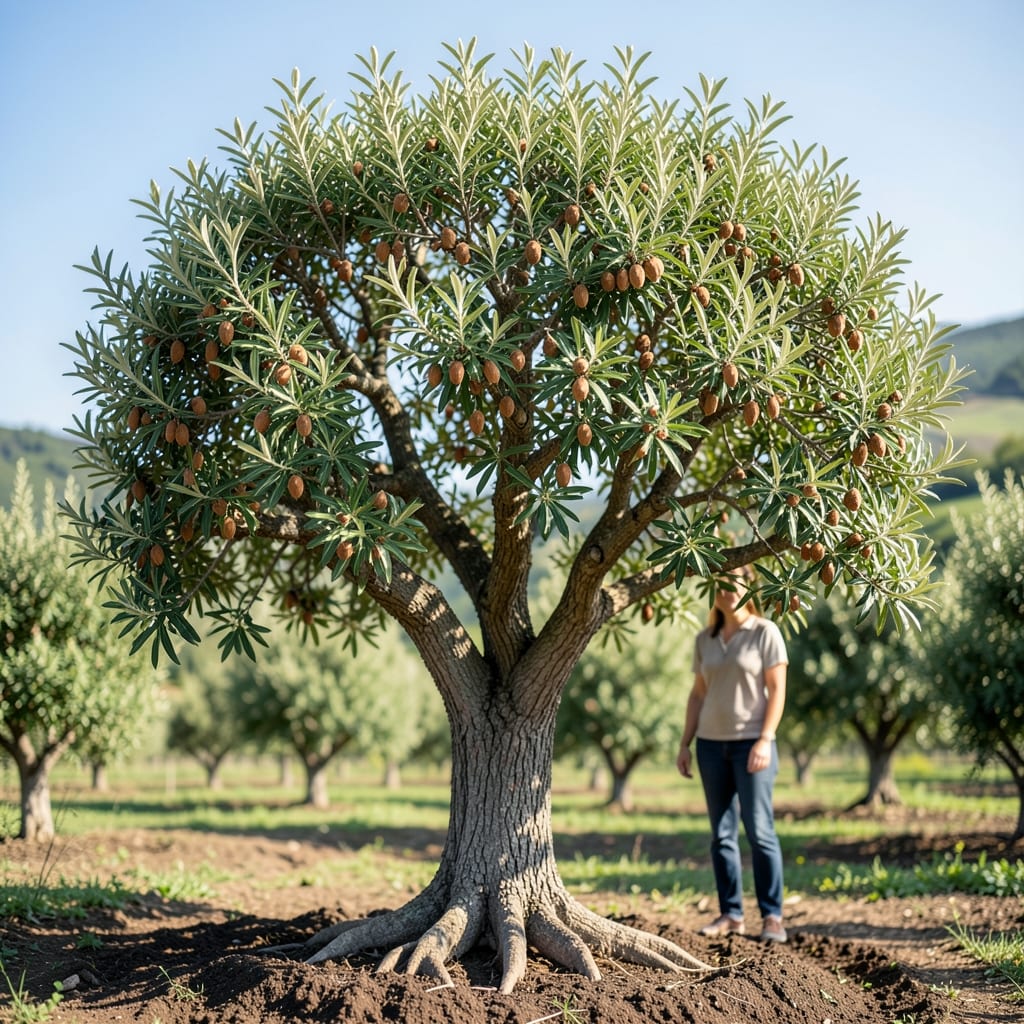
If you're dreaming of growing your own almonds but wondering how tall almond trees grow in your backyard, you're not alone. These trees can reach heights of 20 to 40 feet—taller than most two-story homes—but their size depends on the variety you choose and how you care for it.
Standard almond trees thrive as towering giants, perfect for rural orchards with plenty of space. But don’t count out smaller yards just yet—dwarf varieties stay under 12 feet, making them ideal for urban gardens or container growing. The key is selecting the right type for your climate and available room.
Beyond variety, factors like pruning, soil quality, and watering habits play a huge role in controlling height. With the right approach, you can keep a 🌰 almond tree manageable while still enjoying a bountiful harvest. Let’s break down how to pick the perfect size for your space.
Whether you’re a seasoned gardener or a first-time planter, understanding these growth patterns will help you make the best choice. Ready to learn how to balance space and productivity? Let’s dive in.

Almond tree height by variety: dwarf to full-sized growth ranges
Almond trees aren’t one-size-fits-all—their mature height can vary dramatically depending on the variety and rootstock you choose. Standard varieties like Nonpareil or Butte can soar to 25–40 feet, while dwarf varieties like Texas or Nonpareil on Lovell rootstock stay under 12 feet. This range makes almond trees adaptable to everything from sprawling orchards to small urban backyards.
For gardeners with limited space, dwarf varieties are the game-changer. These compact trees produce just as many almonds as their taller counterparts but require far less room. Meanwhile, full-sized trees dominate landscapes, offering shade and dramatic height—but they demand careful planning for spacing and pruning.
Below, I’ve organized the most popular varieties by mature height and growth habit, including spacing recommendations to ensure your trees thrive without crowding each other. Whether you’re aiming for a 10-foot patio tree or a 30-foot orchard staple, this guide will help you pick the perfect fit.
| Variety | Mature Height (ft) | Spacing (ft) | Growth Habit | Notes |
|---|---|---|---|---|
| Nonpareil (Standard) | 25–35 | 20–25 | Upright, spreading | Most popular; needs cross-pollination |
| Carmel | 18–22 | 15–20 | Compact, rounded | Self-fertile; great for small orchards |
| Butte | 20–28 | 18–22 | Vigorous, upright | Drought-tolerant; needs pollinator |
| Texas (Dwarf) | 8–12 | 10–12 | Bushy, rounded | Self-fertile; perfect for containers |
| Nonpareil (Lovell Rootstock) | 12–15 | 12–15 | Semi-dwarf, upright | Balanced size for small farms |
| Fritz | 20–25 | 18–22 | Vigorous, spreading | Cold-hardy; needs pollinator |
| Peerless | 15–20 | 15–18 | Compact, rounded | Self-fertile; early bloomer |
| Price | 22–28 | 20–25 | Upright, spreading | Large nuts; needs pollinator |
| Ne Plus Ultra | 18–22 | 15–20 | Compact, rounded | Self-fertile; disease-resistant |
| Sonora | 20–25 | 18–22 | Vigorous, upright | Self-fertile; late bloomer |
When selecting a variety, consider both height and spacing needs. For example, a Texas dwarf (8–12 feet) can thrive in a 10-foot diameter container, while a Nonpareil standard needs a 25-foot radius to avoid overcrowding. Always check the rootstock—dwarf varieties are typically grafted onto semi-dwarf or dwarf rootstock like Lovell or Nemaguard
How to choose an almond tree size for your space and climate
Selecting the right almond tree size depends on two key factors: your available space and your local climate. Urban gardeners with limited yards will thrive with dwarf varieties (under 12 feet), while rural homesteaders can accommodate full-sized trees reaching 30-40 feet. Even within these categories, growth habits vary—some varieties grow upright while others spread wider, requiring careful spacing planning.
Climate also plays a critical role. Almond trees prefer USDA Zones 6-10 with hot, dry summers and mild winters. Dwarf varieties often handle cooler climates better, while standard trees need intense heat to produce optimal yields. Before planting, check your frost-free days (165+ recommended) and drought tolerance—these directly impact tree health and height potential.
🌰 Pro Tip: Always plant two trees (or one self-fertile variety) for cross-pollination. Even dwarf trees need a partner to produce nuts!
| Space Type | Recommended Variety | Mature Height | Spacing Needs |
|---|---|---|---|
| Urban Yard (Small) | Nonpareil (dwarf) | 8-12 ft | 10-15 ft apart |
| Suburban Backyard | Carmel | 18-22 ft | 20-25 ft apart |
| Rural Orchard | Fritz | 25-35 ft | 30-40 ft apart |
| Container Growing | Texas (dwarf) | 10-12 ft | Large pot (15+ gallons) |
For urban spaces, prioritize dwarf varieties like Nonpareil or Texas, which fit neatly in small yards or even large containers. These trees require minimal pruning but still produce 1-2 lbs of nuts per tree annually. In suburban areas, semi-dwarf varieties like Carmel strike a balance—tall enough for good yields but manageable with strategic pruning every 2-3 years.
Rural gardeners with ample space should consider standard varieties like Fritz or Peerless, which thrive in wide-open areas. These giants need 30+ feet of clearance on all sides for proper airflow and sunlight penetration. Always plant them near a south-facing fence or wall to maximize sun exposure and reduce pruning needs.
🌿 Climate Consideration: In cooler regions (Zones 6-7), dwarf varieties perform best. For hotter climates (Zones 8-10), standard trees handle the heat better but may require regular deep watering (10L weekly) during droughts.
Before planting, sketch your yard layout. Mark the mature height and spread of your chosen variety, then add 5-10 feet of buffer space for pruning and maintenance. Remember, almond trees live for 25-30 years—choose a location where they can grow unobstructed for decades!