
Flowers
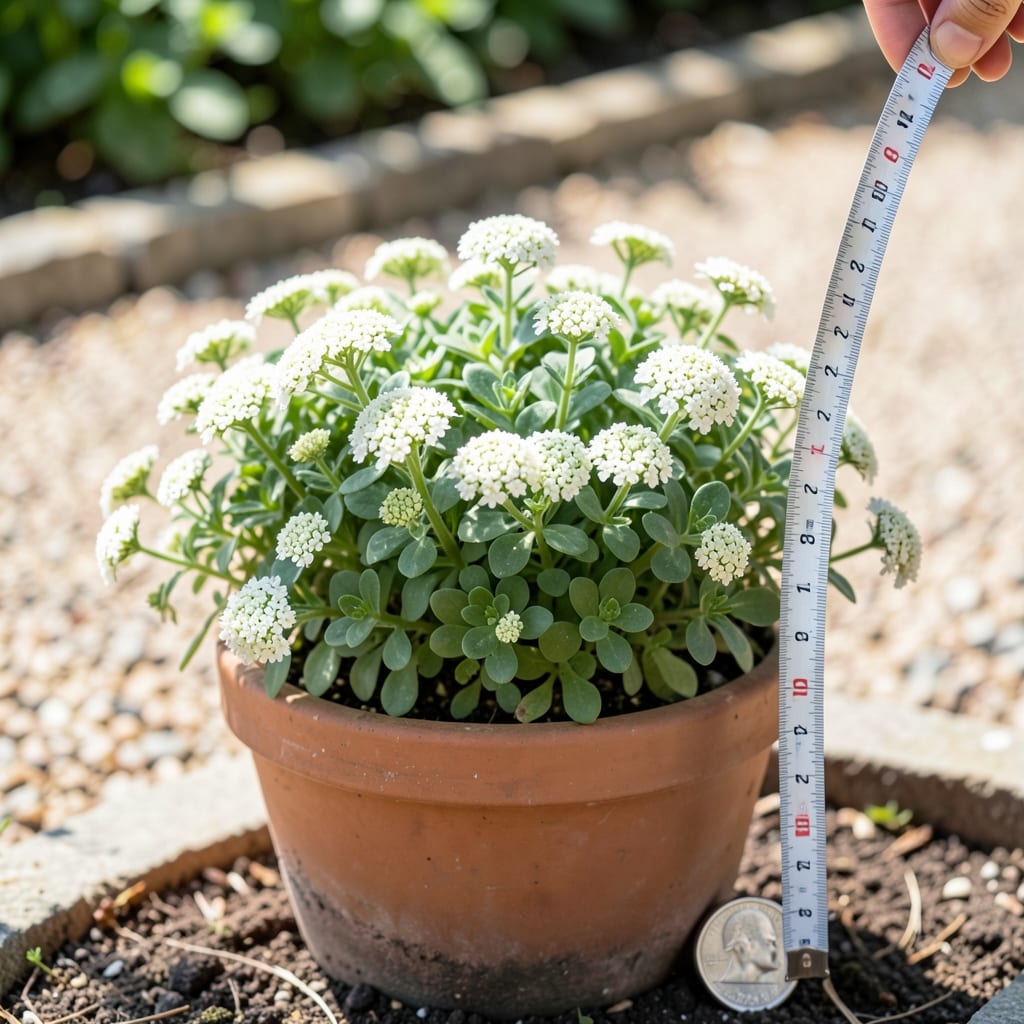
If you're wondering how tall do alyssum grow, you're in for a pleasant surprise—these tiny 🌸 flowers pack a big visual punch without taking over your garden space. Most varieties stay between 3 to 6 inches tall, making them perfect for borders, containers, or even as a fragrant ground cover.
What makes alyssum so versatile is its adaptability—whether you're in USDA Zone 6a or beyond, these low-maintenance plants thrive in spring plantings (March-April) and reward you with blooms from May to June. But did you know some types, like sweet alyssum, can stretch slightly taller if given ideal conditions?
In this guide, I’ll break down the exact height ranges by variety, plus the key factors that influence growth—like sunlight, soil, and pruning. You’ll also discover how to use their compact size to your advantage in garden design, whether you’re creating a pollinator-friendly border or filling gaps in containers.
Ready to transform your space with these easy-to-grow flowers? Let’s dive into the details so you can get the most out of your alyssum—without the guesswork.


Alyssum growth height: exact measurements by variety and type
When you’re planning your garden and asking how tall do alyssum grow, the answer depends on the specific variety you choose. Most alyssum plants stay between 3 to 6 inches tall at maturity, but there are subtle differences between types that can influence your design choices.
For example, sweet alyssum (Lobularia maritima), the most common variety, typically reaches 4 to 6 inches tall, while rock alyssum (Aurinia saxatilis) tends to stay on the shorter side at 3 to 5 inches. Dwarf varieties, like those bred for containers, rarely exceed 3 inches in height.
Understanding these distinctions helps you select the right type for your space—whether you’re creating a fragrant border, filling gaps in a container garden, or using it as a pollinator-friendly ground cover. Let’s explore the specifics so you can plan with confidence.
| Variety | Mature Height | Growth Habit | Best For |
|---|---|---|---|
| Sweet Alyssum (Lobularia maritima) | 4–6 inches | Trailing or mounding | Borders, containers, hanging baskets |
| Rock Alyssum (Aurinia saxatilis) | 3–5 inches | Compact, upright | Rock gardens, alpine beds |
| Dwarf Varieties (e.g., 'Tiny Tuffet') | 2–3 inches | Miniature, dense | Window boxes, fairy gardens |
| Perennial Alyssum (e.g., 'Golden Tuft') | 6–12 inches | Clumping, woody base | Perennial borders, slopes |
The height of your alyssum also depends on whether it’s an annual or perennial variety. Annual sweet alyssum, for instance, grows to its full height in just 6 to 8 weeks after sowing, while perennial types like golden tuft may take longer to reach their mature size but offer longer blooming seasons once established.
If you’re growing alyssum in containers, expect slightly more compact growth due to root restriction, while in-ground plantings may reach the upper end of the height range. For example, alyssum in a 6-inch pot will likely stay around 3 to 4 inches tall, whereas in a garden bed, it could stretch to 5 to 6 inches.
Another factor to consider is the growth rate. Alyssum is one of the fastest-growing annuals, with some varieties doubling in size within 3 to 4 weeks under ideal conditions. This rapid growth makes it perfect for filling gaps quickly or creating instant color in your garden.
For those in USDA Zone 6a or colder, perennial alyssum varieties can overwinter and return year after year, maintaining their 3 to 6-inch height while adding season-long interest. In warmer zones, annual types will self-seed, ensuring your garden stays fragrant and colorful without extra effort.
Whether you’re aiming for a neat, uniform look or a wild, cascading effect, choosing the right alyssum variety—and understanding its mature height—is key to achieving your vision. Next, we’ll explore how to use these height differences to your advantage in garden design.
How alyssum height affects garden design: spacing and pairing tips
Now that you know how tall do alyssum grow, let’s talk about how their compact size can transform your garden design. The 3 to 6-inch height of most alyssum varieties makes them ideal for creating defined borders, filling gaps in containers, or adding texture to rock gardens. But spacing and pairing are everything—plant them too close, and you’ll crowd out their delicate blooms; too far apart, and you’ll lose that lush, fragrant effect.
For borders and edging, space sweet alyssum 4 to 6 inches apart to let them spill gently over edges. In containers or hanging baskets, you can plant them 2 to 3 inches apart—their trailing habit will create a stunning cascading effect. If you’re using alyssum as ground cover, aim for 6 inches between plants to allow airflow and prevent disease.
When pairing alyssum with other plants, think about height contrast and color harmony. For example, pair 4 to 6-inch alyssum with 6 to 12-inch salvia or 8 to 12-inch snapdragons to create a layered look. Dwarf varieties (2 to 3 inches) work beautifully with thyme or creeping thyme in rock gardens or as a pollinator-friendly filler for succulents like sedum.
🌸 Garden Design Tips for Alyssum Height
- ✅ Borders: Space 4-6 inches apart for a soft, fragrant edge.
- ✅ Containers: Plant 2-3 inches apart for a trailing, spill-over effect.
- ✅ Rock Gardens: Use dwarf varieties (2-3 inches) with succulents or thyme.
- ✅ Hanging Baskets: Mix with petunias or lobelia for a colorful cascade.
- ✅ Pollinator Gardens: Pair with lavender or cosmos to attract bees and butterflies.
One of my favorite ways to use alyssum is in container gardens. Since their height rarely exceeds 6 inches, they’re perfect for mixing with taller plants like coleus or ferns in a 12-inch pot. The key is to place alyssum at the front or edges of the container, where its fragrant blooms will be visible and accessible to pollinators.
If you’re designing a pollinator-friendly garden, alyssum’s compact size makes it an excellent filler plant. Its tiny flowers provide nectar for bees and butterflies, while its low height keeps the garden accessible for ground-dwelling insects. Pair it with native wildflowers like black-eyed Susans or coneflowers to create a thriving ecosystem.
For those with limited space, alyssum is a game-changer. Its ability to thrive in small pots, window boxes, or even crevices in walls means you can add color and fragrance almost anywhere. Just remember: prune regularly to encourage bushier growth, and your alyssum will reward you with season-long blooms—no matter how small your space.