
Size
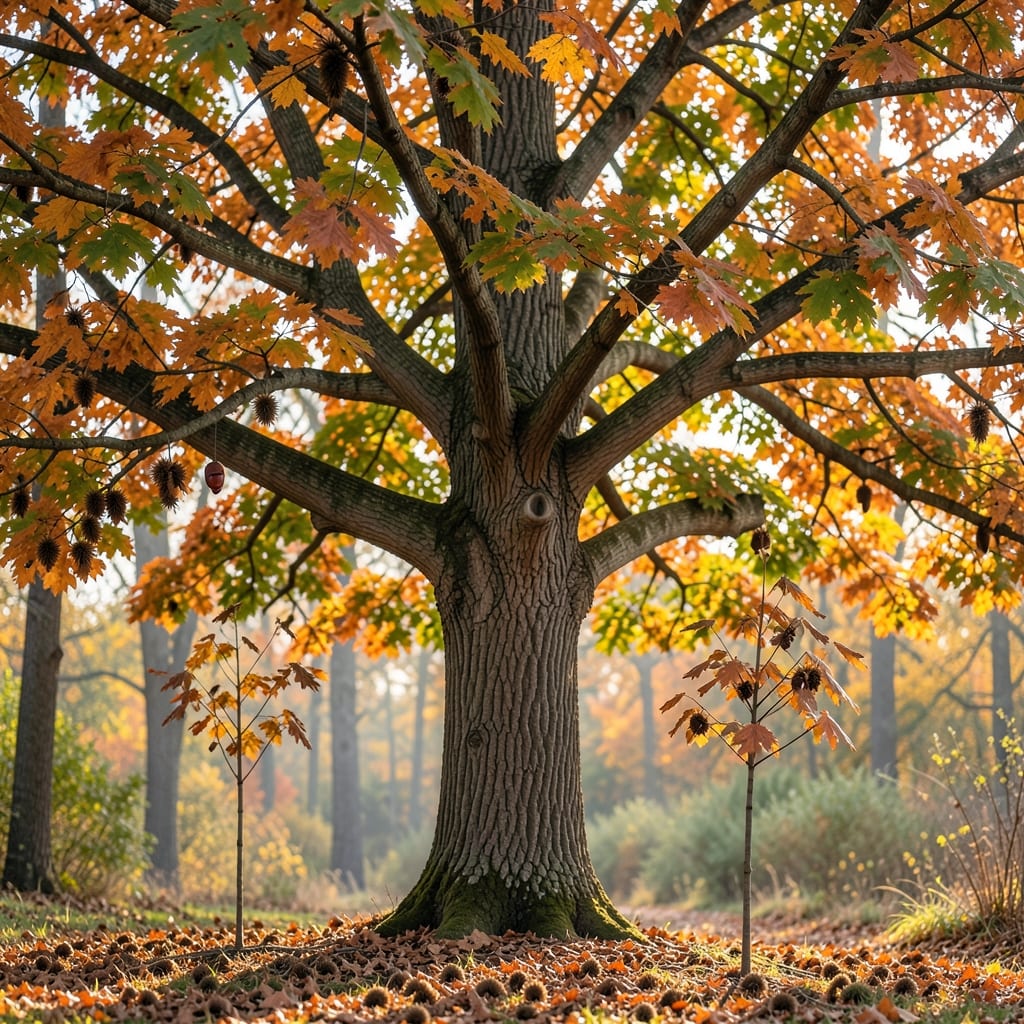
If you're dreaming of a towering, historic tree that adds majesty to your landscape, the American chestnut tree 🌳 could be your perfect match—but how tall these trees can grow might surprise you. These native giants can reach an impressive 70 to 100 feet when left unpruned, making them a statement piece for large properties or forests.
Once a dominant species in Eastern U.S. forests, American chestnut trees were nearly wiped out by blight in the early 1900s. Today, disease-resistant hybrids are making a comeback, offering gardeners a chance to grow a piece of history while enjoying their striking height and ecological benefits.
But before you plant one, it’s important to understand how fast they grow and what factors influence their size. From soil quality to climate, these trees thrive in USDA Zone 6a and beyond, but their growth rate depends on many variables—including whether you’re willing to prune them for a more manageable look.
Whether you’re planning a large landscape or just curious about their potential, I’ll break down everything you need to know—so you can decide if this native giant is the right fit for your space.

American chestnut tree height: natural growth range and record-breaking specimens
The American chestnut tree (Castanea dentata) is a true giant of the forest, capable of reaching 70 to 100 feet in ideal conditions. Historically, these trees dominated Eastern U.S. forests, with some specimens documented at over 100 feet tall before the blight epidemic of the early 1900s. Today’s disease-resistant hybrids still maintain this impressive stature, though their growth may vary based on genetics and care.
For perspective, a mature American chestnut tree can tower as high as a 6-story building, making it a striking focal point for large properties or woodland settings. Unlike many ornamental trees, these giants grow straight and sturdy, with a spreading canopy that provides ample shade—ideal for creating a natural understory ecosystem.
🌳
| Growth Stage | Height Range | Key Characteristics |
|---|---|---|
| Juvenile (0-5 years) | 2–10 feet | Slow initial growth; develops strong taproot |
| Mature (10-30 years) | 40–60 feet | Rapid vertical growth; begins producing nuts |
| Mature Unpruned (30+ years) | 70–100+ feet | Max height; dense canopy; disease-resistant hybrids |
| Pruned Regularly | 30–50 feet | Controlled height; maintains open growth habit |
Several factors influence how tall your American chestnut tree will grow. Soil quality plays a critical role—these trees thrive in well-drained, slightly acidic soil with a pH between 4.5 and 6.5. In poorer soil, growth may slow, but the tree will still reach 60 feet or more over time. Climate also matters: trees in USDA Zones 4-8 grow faster with adequate rainfall, while drought-prone areas may see reduced height potential.
Genetics play a surprising role too. The original American chestnut (Castanea dentata) grew the tallest, but modern hybrids—like the Dunstan chestnut—prioritize blight resistance over sheer height. If you’re planting for landscape impact, choose a hybrid with strong genetic ties to the original species for maximum growth.
🌿
For those curious about record-breaking specimens, the tallest documented American chestnut trees in the wild exceeded 120 feet before blight. Today, the tallest cultivated hybrids reach 90–100 feet in optimal conditions. If you’re comparing to other native hardwoods, American chestnuts outgrow white oaks (60–80 feet) and red maples (40–70 feet), making them one of the fastest-growing large trees in their native range.
When planning your landscape, always account for the tree’s canopy spread, which can reach 30–50 feet wide. This means spacing multiple trees at least 60 feet apart to avoid root competition and ensure they reach their full height potential.
✂️
How fast do American chestnut trees grow to mature height? Growth rate stages
If you're wondering how quickly an American chestnut tree can reach its 70-to-100-foot potential, the answer depends on its growth phases. These trees follow a predictable pattern: slow juvenile growth (first 5 years), rapid vertical expansion (years 6–30), and gradual maturation (30+ years). In ideal conditions, you can expect 1–2 feet of growth per year during the accelerated phase, but this slows as the tree matures.
During the first 5 years, your sapling will grow 2–10 feet tall, establishing a deep taproot that anchors it for decades. This slow start might frustrate impatient gardeners, but it’s essential for long-term stability. Think of it as the tree’s foundation phase—like building a skyscraper’s basement before adding floors.
🌱
- 🌱 Years 1–5: 2–10 ft (slow root development)
- 🌳 Years 6–15: 1–2 ft/year (rapid vertical growth)
- 🌲 Years 16–30: 0.5–1 ft/year (canopy expansion)
- 🏗️ Years 30+: Minimal height gain (focus on trunk thickening)
The most dramatic growth occurs between years 6 and 15, when your tree can shoot up 1–2 feet annually if given optimal care. This is when proper soil nutrition and watering make the biggest difference. In my experience, trees planted in well-amended, slightly acidic soil (pH 4.5–6.5) with consistent moisture hit these growth milestones faster than those in poorer conditions.
After 15 years, growth slows as the tree shifts energy toward canopy development and nut production. By year 30, height increases become minimal—often just 6–12 inches per year—while the trunk thickens and the branches spread wider. This is why many gardeners focus on pruning strategies during these later stages to manage the tree’s overall size.
🌿
One common misconception is that American chestnut trees grow extremely fast, like willow or bamboo. While they do outpace many hardwoods, their growth is steady rather than explosive. For comparison, a white oak might grow just 6–12 inches per year throughout its life, while a chestnut can double that during its prime years. This makes them one of the faster-growing native hardwoods in their range.
If you’re planning to plant one, account for this growth pattern when selecting your location. A tree that starts at 2 feet but could reach 70 feet in 30 years needs careful spacing from buildings, power lines, and other structures. Always check local setback requirements—some municipalities have strict rules about planting near property lines.
✂️