
Size
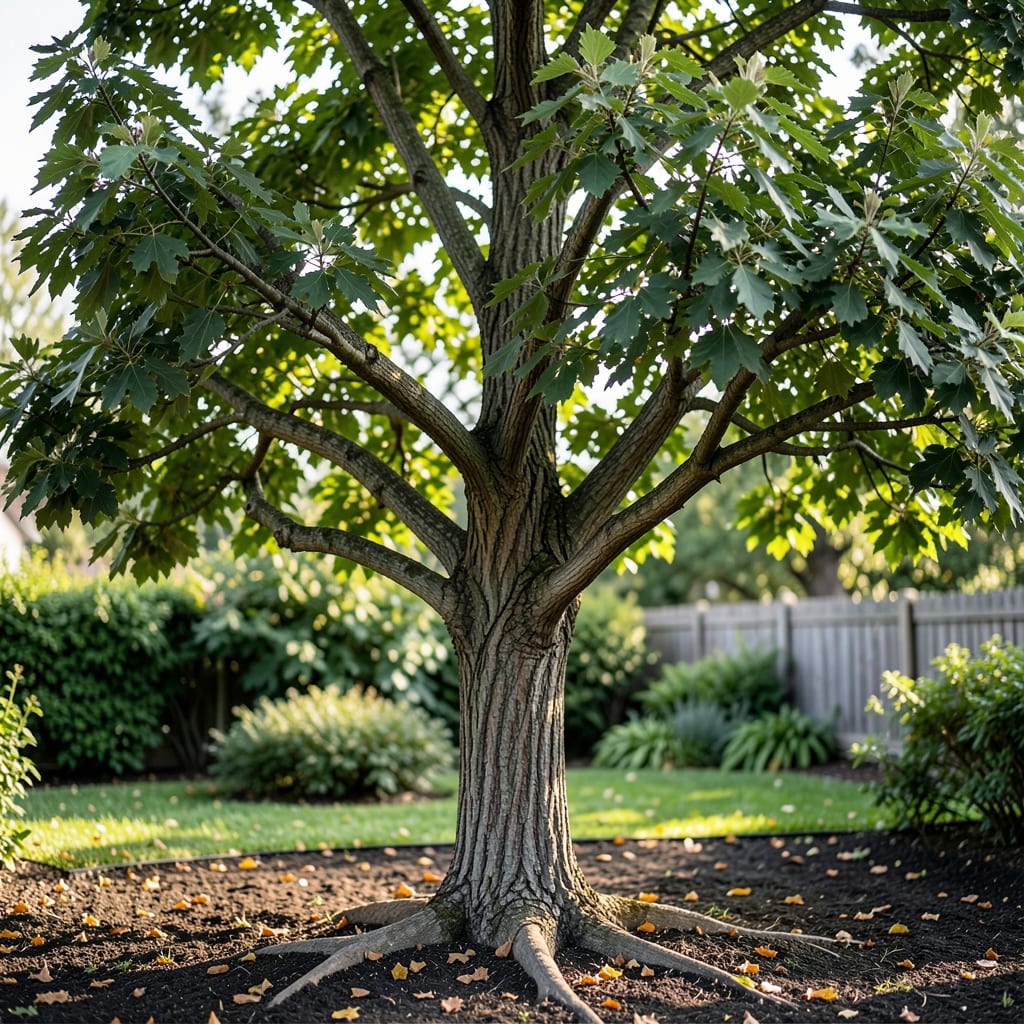
If you’re wondering how tall do American Elm trees grow, the answer might surprise you—these stately 🌳 giants can tower over 70 feet in ideal conditions, making them a stunning but space-hungry addition to any landscape.
But here’s the good news: with strategic pruning and proper care, you can keep your American Elm tree at a more manageable height—perfect for urban gardens or smaller yards. Whether you’re planting a sapling or maintaining an established tree, understanding its growth habits is key to balancing beauty and practicality.
In this guide, I’ll break down the natural height range of American Elms, how urban environments can limit their growth, and the space-saving pruning techniques that let you enjoy their majestic presence without sacrificing your outdoor space.
You’ll also learn how to avoid common mistakes that stunt growth and discover the best practices for nurturing a healthy, well-proportioned tree—no matter how much space you have to work with.

American Elm tree height: natural growth vs. urban limitations
American Elm trees (Ulmus americana) are famous for their towering stature, but their mature height depends heavily on growing conditions. In ideal rural settings, these trees can reach a breathtaking 70–100 feet with a sprawling 50–70-foot canopy. However, urban environments typically restrict their growth to 40–60 feet due to limited space and environmental stressors.
The key factor influencing height is genetic potential combined with environmental conditions. Trees planted in open fields with rich soil and full sun will grow taller than those in tight city lots with compacted soil. Even in optimal conditions, growth slows significantly after 20–30 years, shifting from rapid vertical expansion to gradual maturation.
Here’s how to estimate your American Elm’s potential height based on common growing scenarios:
| Growing Scenario | Mature Height Range | Key Limiting Factors |
|---|---|---|
| Rural/Open Field | 70–100 ft | Full sun, deep soil, no root competition |
| Suburban Yard (50+ ft spacing) | 50–70 ft | Moderate sunlight, occasional pruning |
| Urban Street Planting | 30–50 ft | Compacted soil, limited root space, pollution |
| Container-Grown (Large Pot) | 15–25 ft | Root-bound, requires annual repotting |
Soil quality plays a critical role in height development. American Elms thrive in well-drained, slightly acidic soil (pH 6.0–7.0), but poor urban soil—often compacted and nutrient-poor—can stunt growth by up to 30%. Amending soil with compost and organic matter at planting time helps maximize height potential, especially in constrained spaces.
Another factor is climate and regional variations. Trees in the Southeastern U.S. (USDA Zones 7–9) often grow taller due to longer growing seasons, while those in colder Northern regions (Zones 4–6) may max out at 50–60 feet due to shorter growing periods. Even within the same region, microclimates—like urban heat islands—can accelerate growth by 10–15% annually.
Light exposure directly impacts height. American Elms require full sun (6+ hours daily) to reach their full potential. In shaded urban settings, growth rates drop by 20–40%, and trees may develop a weaker, less dense canopy. If planting in partial shade, expect a 20–30% reduction in mature height compared to full-sun counterparts.
For urban gardeners, understanding these factors helps set realistic expectations. While you can’t change genetics, you can optimize growing conditions—like improving soil quality and providing adequate sunlight—to encourage healthier, more proportional growth. Even in tight spaces, proper care can help your American Elm reach 60% of its natural height potential.
In the next section, I’ll show you how to use targeted pruning techniques to maintain a manageable height while keeping your tree healthy and beautiful—perfect for small yards or city lots.
Space-saving pruning techniques for urban American Elms
Pruning is the secret weapon for keeping your American Elm tree at a manageable height while maintaining its health and beauty. Unlike aggressive topping—which can harm the tree—strategic pruning encourages balanced growth and prevents weak, sprawling branches. For urban settings, aim to keep your tree between 20–30 feet by focusing on three key techniques: crown raising, selective thinning, and structural pruning.
Timing matters too. The best time to prune is late winter or early spring (just before new growth begins), when the tree is still dormant but about to wake up. Avoid pruning in fall or winter, as this can leave wounds vulnerable to disease and pests. For young trees, you can do light pruning in summer to shape growth, but never remove more than 25% of the canopy in a single session.
- Step 1: Crown Raising – Remove lower branches to create clearance (ideal for driveways or walkways). Cut branches just above outward-facing buds to encourage upward growth. Focus on branches below 6–8 feet for urban trees.
- Step 2: Selective Thinning – Remove 10–20% of dense foliage to improve airflow and sunlight penetration. Target crossing or rubbing branches first, then thin from the inside of the canopy outward.
- Step 3: Structural Pruning – Shape the tree by pruning co-dominant stems (where two main branches grow too close). Use a 3:1 ratio: cut back the smaller branch to a lateral branch at least 1/3 the size of the larger branch.
- Step 4: Clean Cuts – Always use sharp, sterilized pruners or a pruning saw for branches thicker than 1 inch. Make cuts at a 45-degree angle, 1/4 inch above a bud or branch collar to promote faster healing.
- Step 5: Post-Pruning Care – Apply pruning sealant only to cuts larger than 2 inches in diameter. Water deeply after pruning to reduce stress, and avoid fertilizing for 4–6 weeks to let the tree recover.
When pruning, always prioritize structural integrity over aesthetics. Remove dead, diseased, or weak branches first, as these can drain energy from the tree. For American Elms, look for branches with cankers (sunken wounds) or dieback (brown, brittle wood)—common signs of Dutch elm disease. If you spot these, sterilize tools between cuts with rubbing alcohol to prevent spread.
For young American Elms (under 5 years old), focus on training the central leader (main upward-growing branch) and removing suckers or water sprouts (fast-growing, weak shoots). This early shaping sets the foundation for a strong, upright tree that’s easier to manage as it matures. Avoid over-pruning young trees, as this can delay height growth and weaken the trunk.
If your goal is to keep the tree under 20 feet, combine pruning with root restriction techniques, like planting in a large container (3+ feet in diameter) or using root barriers to limit root spread. However, be cautious—over-restricting roots can stress the tree and reduce its ability to absorb water and nutrients. Monitor the tree closely and adjust pruning as needed to maintain a healthy balance.
With consistent pruning, your urban American Elm can thrive at a manageable height while still providing shade, beauty, and that iconic elm tree silhouette. Just remember: patience and precision are key—never remove more than 25% of the canopy in one year, and always prioritize the tree’s long-term health over short-term size goals.