
Flowers
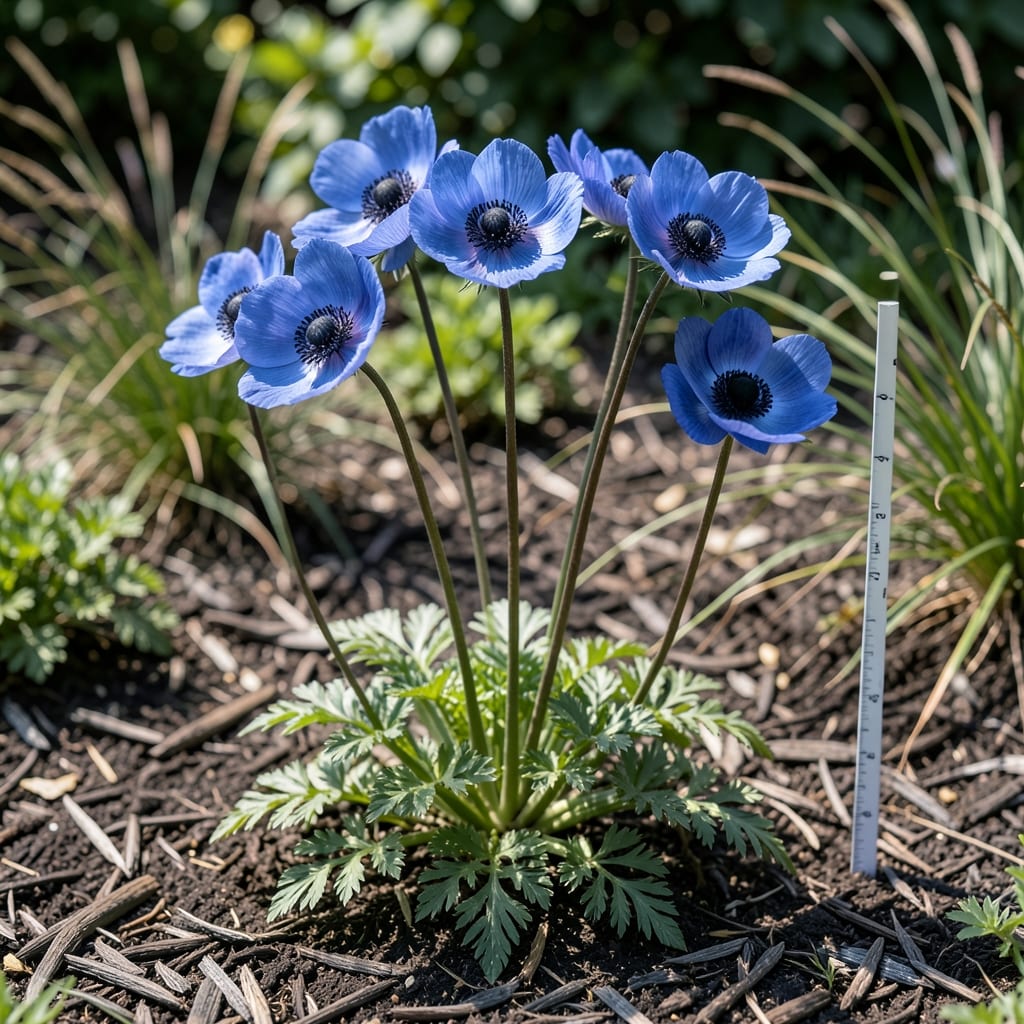
If you’ve ever wondered how tall do these anemone flowers grow, the answer depends on the variety you choose—and how you care for them. These flowers can surprise you with heights ranging from just 6 inches to over 4 feet, making them adaptable to everything from woodland gardens to bold borders.
For gardeners in USDA Zone 6a, planting in March or April sets the stage for their full potential. Dwarf varieties like Anemone nemorosa stay low and lush, perfect for filling gaps, while taller species like Anemone hupehensis reach skyward, adding vertical drama. The key? Understanding how sunlight, soil, and seasonal care influence their growth.
Whether you’re dreaming of a sea of delicate spring blooms or a few statement plants, knowing the height range helps you plan spacing and companion plants. I’ll break down the differences between species and share practical tips to control or maximize their height—so you can create the perfect look for your garden.
Ready to transform your space with these versatile flowers? Let’s dive into the heights you can expect and how to nurture them for the best results.


Anemone flower height ranges by species: dwarf varieties vs. towering giants
Anemones are one of nature's most versatile flowers, offering a height spectrum that can transform your garden from a woodland retreat to a dramatic floral display. The key to harnessing their full potential lies in understanding species-specific growth habits. Some varieties stay compact enough to edge pathways, while others reach heights that make them statement plants in mixed borders. Let's explore how these flowers grow vertically—and how to plan your garden around them.
First, it's essential to recognize that anemone height isn't just about species—it's also about maturity stages. A 6-inch anemone in its first year might double in height by its third season. This growth pattern means your garden design should account for long-term development. For example, the Anemone coronaria, commonly called windflower, typically matures between 12-18 inches tall, while Anemone hupehensis (Japanese anemone) can soar to 4-5 feet when given ideal conditions.
Here's where things get interesting: the same species can vary in height based on growing conditions. A woodland anemone like Anemone nemorosa might stay under 12 inches in dense shade but reach 18 inches with more sunlight. This adaptability makes anemones perfect for layered garden designs, where you can strategically place them to create visual interest at multiple levels.
Let's break down the most popular anemone varieties by their mature heights and ideal planting scenarios to help you visualize where they'll thrive in your space.
| Variety | Mature Height | Growth Habit | Best For |
|---|---|---|---|
| Anemone coronaria (Windflower) | 12-18 inches | Clumping, bushy | Rock gardens, borders, containers |
| Anemone nemorosa (Wood Anemone) | 6-12 inches | Spreading, delicate stems | Woodland gardens, understory planting |
| Anemone hupehensis (Japanese Anemone) | 3-5 feet | Tall, upright, late-season blooms | Back of borders, cottage gardens |
| Anemone × hybrida (Hybrid Anemone) | 2-3 feet | Medium height, long blooming | Mixed borders, cutting gardens |
| Anemone blanda (Greek Windflower) | 4-8 inches | Low-growing, carpeting | Rock gardens, alpine beds |
When planning your garden layout, consider how these height variations will interact with your existing plants. The woodland anemones and Greek windflowers make excellent foreground plants for containers or rock gardens, while the Japanese anemones can serve as dramatic backdrop plants. Their late-season blooms also provide color when many other perennials have finished flowering, extending your garden's visual appeal well into fall.
For gardeners with limited space, the dwarf varieties like Anemone blanda are perfect for adding color without overwhelming smaller areas. These can be planted in mass plantings to create a sea of delicate blooms, or interspersed among low-growing ground covers like ajuga or heuchera. Their compact size also makes them ideal for window boxes or hanging baskets where you want to add height without taking up much horizontal space.
On the opposite end of the spectrum, the tall varieties like Anemone hupehensis need room to stretch their legs—literally. These plants can reach 5 feet tall, so they require adequate spacing (at least 2-3 feet between plants) to prevent crowding. When planted in groups of three or more, they create a stunning vertical accent that draws the eye upward. Pair them with tall grasses like miscanthus or switchgrass to add movement and texture to your garden design.
One often-overlooked factor in anemone height is their seasonal growth pattern. Many varieties, particularly the Japanese anemones, produce minimal foliage until late summer, when they burst into bloom. This delayed growth means they won't compete with
How seasonal care affects anemone height: pruning, staking, and light exposure
Understanding how to care for your anemones throughout the seasons is the secret to controlling—or maximizing—their height. Unlike many flowers that grow steadily from spring to fall, anemones have distinct growth phases that respond dramatically to pruning, sunlight, and support. For example, a Japanese anemone left unchecked can grow 3 feet taller than one you prune regularly, while woodland varieties may flop without proper staking. Let’s explore how seasonal adjustments directly impact their vertical growth—and how to use these techniques to shape your garden’s look.
One of the most effective ways to control anemone height is through seasonal pruning. For tall varieties like Anemone hupehensis, I recommend a two-step approach: first, trim back any dead or leggy stems in early spring to encourage bushier growth. Then, in late summer, cut back spent blooms by about one-third to redirect energy toward stronger stems rather than excessive height. This method can reduce a 5-foot plant to a more manageable 3-4 feet while keeping it fuller and more stable.
Light exposure plays a critical role in anemone height, especially for dwarf varieties. While most anemones thrive in partial shade, too much direct sunlight can cause Anemone nemorosa to stretch unnaturally tall (reaching 18 inches instead of its ideal 12 inches). Conversely, Japanese anemones actually grow taller—sometimes by up to 1 foot—when given morning sun and afternoon shade. To achieve the perfect balance, I plant mine near east-facing structures or under dappled shade trees, where they receive just enough light to encourage healthy growth without overreaching.
- 🌱 Early Spring (March-April): Prune back dead stems to 1-2 inches above ground. This stimulates new shoots and prevents leggy growth.
- ☀️ Summer (June-August): Monitor sunlight exposure. If leaves yellow or stretch, provide afternoon shade to prevent excessive height.
- ✂️ Late Summer (August-September): After blooming, cut spent flowers back by one-third to encourage stronger stems next season.
- 🪴 Fall (October): Leave foliage intact until frost to photosynthesize and store energy for next year’s growth.
- 💧 Winter (November-February): Avoid pruning—let dormant plants rest. Clear away dead leaves only in early spring.
For taller anemone varieties, staking is a game-changer. Without support, a 4-foot Japanese anemone can flop over, making your garden look unkempt. I use bamboo stakes or soft plant ties to gently secure stems, especially after heavy rain or wind. The key is to stake them early in the season (as soon as they reach 12-18 inches) to prevent damage to stems. This not only maintains their height but also keeps their delicate blooms upright for longer vase life if you’re harvesting them.
Another often-overlooked factor is soil fertility. Over-fertilizing with high-nitrogen feeds can lead to excessive foliage growth at the expense of blooms, causing plants to become top-heavy and leggy. Instead, I use a balanced 5-10-10 fertilizer in early spring and again after blooming to support root development without encouraging rapid vertical growth. For dwarf varieties, a light feeding in spring is often enough—they thrive on moderate nutrients and can become overly vigorous with too much fertilizer.
Finally, remember that anemones grow at different rates based on their age and maturity. Young plants may stay half their mature height in their first year, while established clumps can double in size. If you’re working with limited space, consider dividing mature clumps every 3-4 years to control their spread and maintain a neat, compact shape. This also rejuvenates the plant, encouraging healthier blooms and more manageable heights in subsequent seasons.
By mastering these seasonal care techniques, you’ll not only control anemone height but also create a garden that’s visually balanced and easy to maintain. Whether you’re aiming for a low-growing carpet of woodland anemones or a dramatic backdrop of towering Japanese varieties, the right care makes all the difference.