
Flowers
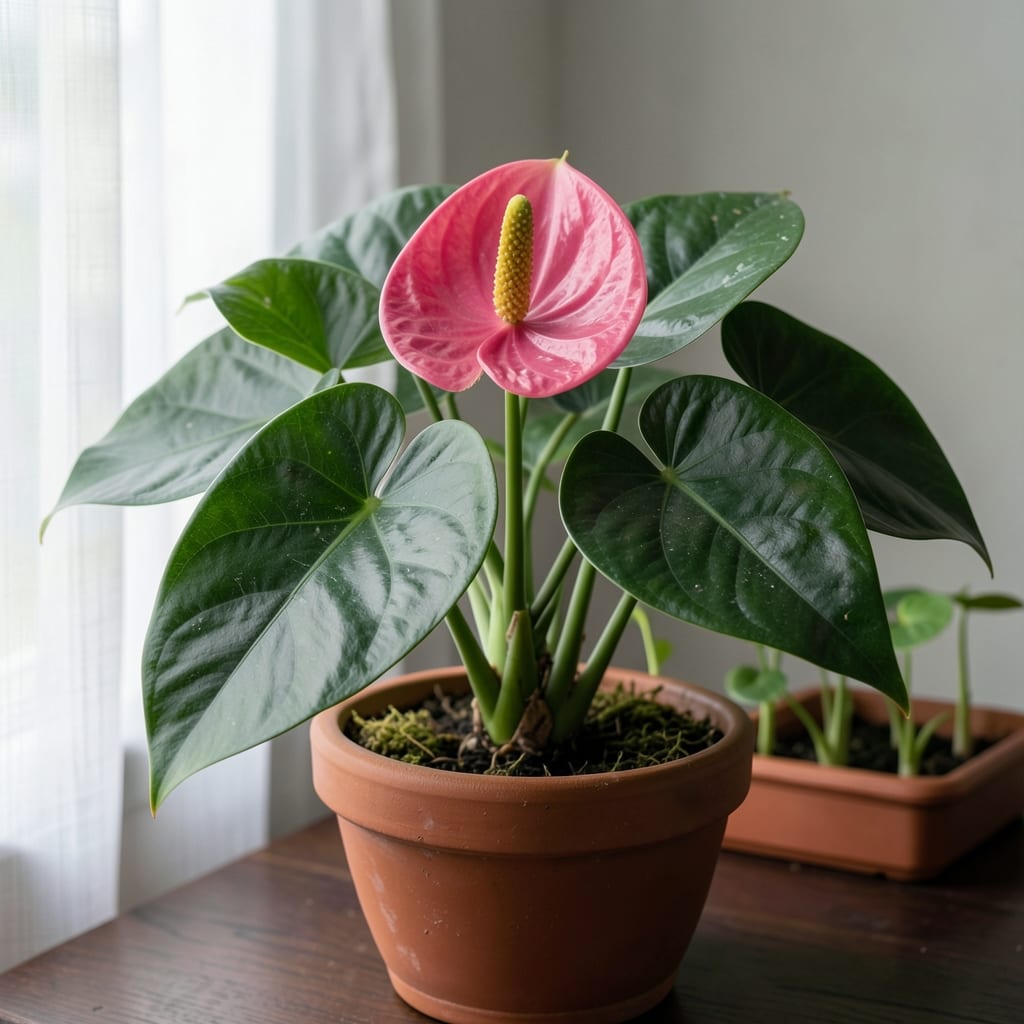
Wondering how tall do anthuriums grow before they become unruly? These stunning 🌸 plants can surprise you—some varieties stay neatly compact, while others stretch toward the ceiling like tropical vines.
If you're working with limited space, you'll love knowing that most anthuriums top out between 1 to 3 feet, making them perfect for tables, shelves, or hanging baskets. But if you're growing the climbing types, get ready for heights that can reach 6 feet or more with proper support.
The key to managing their size lies in understanding your specific variety and giving it the right care. From pruning tips to choosing dwarf species, I'll show you how to keep your anthuriums at your ideal height—whether that means a tidy 2-foot plant or a dramatic vertical display.
Let's break down the height differences between popular types and how to control their growth so you can enjoy these lush plants without the space struggles.

Anthurium height guide: compact varieties under 2 feet
If you're limited by space but still want to enjoy anthuriums, you'll be relieved to know many varieties stay neatly under 2 feet tall. These compact types are perfect for desk plants, shelves, or even hanging baskets, making them ideal for apartments, offices, or small gardens.
The most popular dwarf anthuriums include Anthurium clarinervium and Anthurium crystallinum, both prized for their striking foliage and manageable size. Unlike their taller cousins, these varieties focus on horizontal growth rather than climbing, keeping them contained and easy to care for.
For a true tabletop plant, look for Anthurium clarinervium, which typically reaches just 12 to 18 inches tall. Its deep green leaves with silver veins create a stunning visual contrast without taking up much room. This variety thrives in bright indirect light and prefers slightly humid conditions, making it perfect for bathrooms or kitchens with good airflow.
Anthurium crystallinum, another compact favorite, grows slightly taller at 18 to 24 inches but remains bushy and full. Its glossy, heart-shaped leaves add a tropical touch to any space. Both varieties are low-maintenance once established, requiring only moderate watering and occasional fertilizer applications during the growing season.
| Variety | Mature Height | Growth Habit | Best For |
|---|---|---|---|
| Anthurium clarinervium | 12–18" | Bushy, horizontal | Desk plants, shelves |
| Anthurium crystallinum | 18–24" | Compact, upright | Hanging baskets, small tables |
| Anthurium hookeri | 12–16" | Trailing, bushy | Shelves, hanging displays |
| Anthurium veitchii 'White Crystal' | 18–24" | Upright, bushy | Bright rooms, offices |
To keep your compact anthuriums thriving, prioritize well-draining soil mixed with orchid bark or perlite to prevent root rot. These plants love humidity, so misting leaves or placing the pot on a pebble tray with water can work wonders. Avoid letting the soil dry out completely, but never let it sit in standing water, as this can cause root issues.
If you notice your anthurium leaves yellowing, it’s often a sign of overwatering. Let the top inch of soil dry out between waterings, and always use a pot with drainage holes. For extra insurance, repot every 2–3 years to refresh the soil and encourage healthy growth. A slightly tighter pot can also help maintain compactness by limiting root spread.
For those who love colorful blooms but limited space, consider Anthurium andraeanum dwarf varieties like 'Compact' or 'Mini'. These stay under 2 feet tall while still producing vibrant red, pink, or white flowers. The key to keeping them small is regular pruning—trim back leggy stems to encourage bushier growth and more blooms at a manageable height.
One of my favorite space-saving tips is using hanging baskets for trailing varieties like Anthurium hookeri. This not only saves floor space but also creates a stunning visual cascade. Just ensure the basket has good drainage and use a lightweight soil mix to prevent it from becoming too heavy.
Remember, even compact anthuriums can benefit from occasional fertilizer during the growing season. A balanced 10-10-10 fertilizer applied every 4–6 weeks in spring and summer will keep them lush and vibrant. Reduce feeding in fall and winter when growth naturally slows down.
With the right care, your under-2-foot anthuriums will thrive in even the smallest spaces, adding a touch of tropical beauty without the bulk. Whether you choose them for their foliage or flowers, these compact varieties prove that you don’t need a greenhouse to grow stunning plants!
Towering anthuriums: varieties that reach 6+ feet tall
If you love the idea of dramatic vertical gardens but thought anthuriums were only for small spaces, think again! Some varieties grow into towering tropical giants, reaching heights of 6 feet or more with the right care. These climbing types aren't just for greenhouses—they can thrive indoors with proper support and light.
Among the most impressive is Anthurium veitchii, a fast-growing vine that can climb 10 feet or taller when given a sturdy trellis or moss pole. Its large, glossy leaves add a lush, rainforest feel to any room. Another standout is Anthurium andraeanum 'Giant', which produces oversized blooms on stems that stretch 4 to 6 feet tall.
For those who want height without the maintenance, Anthurium scherzerianum is a great choice—it grows 3 to 5 feet tall but stays bushier than true vines. Its heart-shaped flowers dangle elegantly, creating a stunning cascading effect when grown in hanging baskets near ceilings.
| Variety | Max Height | Growth Type | Support Needed | Light Needs |
|---|---|---|---|---|
| Anthurium veitchii | 10+ ft | Climbing vine | Trellis/moss pole | Bright indirect |
| Anthurium andraeanum 'Giant' | 4-6 ft | Upright bush | Staking | Medium indirect |
| Anthurium scherzerianum | 3-5 ft | Trailing bush | Hanging basket | Bright indirect |
| Anthurium hookeri 'White Crystal' | 5-7 ft | Climbing vine | Moss pole | High indirect |
To encourage maximum height, provide your anthurium with bright indirect light—think east or north-facing windows with sheer curtains. Avoid direct sunlight, which can scorch leaves and stunt growth. For climbing varieties, install a moss pole or trellis as soon as you bring them home. These plants naturally cling using their aerial roots, so the support should be wide enough to accommodate their spread.
Pruning plays a crucial role in managing towering growth. Regularly trim back overly long stems to encourage bushier growth and prevent the plant from becoming top-heavy. For Anthurium veitchii, pinch back the tips of new growth to promote branching. This not only controls height but also creates a fuller, more ornamental appearance.
One common mistake is underestimating water needs for tall varieties. Since their roots extend deeper, they require consistent moisture without becoming waterlogged. Water deeply every 3-5 days during warm months, allowing the top inch of soil to dry out between waterings. In winter, reduce frequency to every 10-14 days as growth slows.
For extra height control, consider using a larger pot with good drainage to accommodate their root systems. A pot that's 2-3 inches wider than the plant's current root ball gives roots room to spread without encouraging excessive vertical growth. And don't forget—fertilizer makes a difference! Use a balanced 10-10-10 formula every 4-6 weeks during spring and summer to fuel their rapid growth.
With the right care, your towering anthuriums will become a stunning focal point in any room. Whether you choose a climbing vine or a tall bush variety, these plants prove that anthuriums aren't just for small spaces—they can reach for the sky! 🌿