
Size
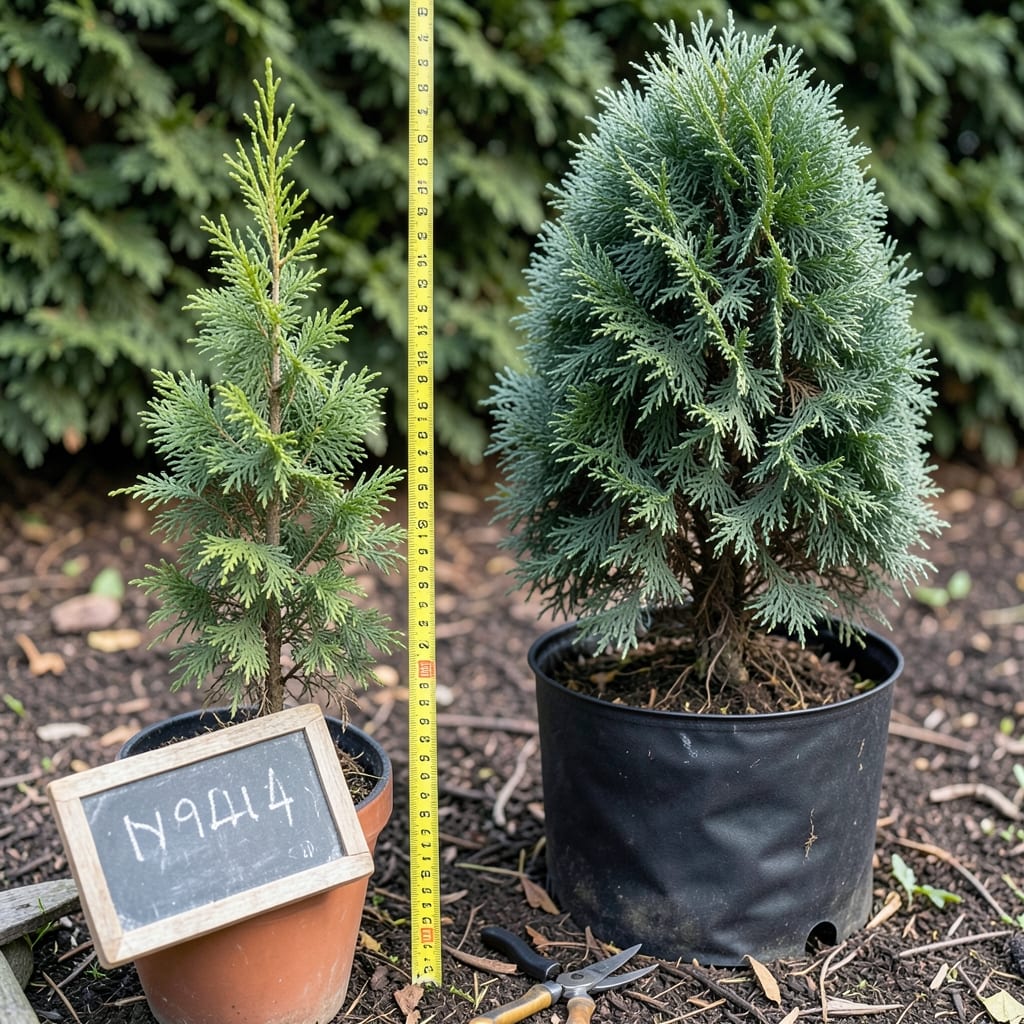
If you're planning a privacy screen or just curious about how tall do arborvitae grow each year, knowing their annual growth rate is key. Some varieties shoot up 12–24 inches each year, while others grow slower—meaning your 5-year timeline could look very different depending on what you plant.
I’ve seen firsthand how the wrong expectations can lead to frustration, especially when you’re waiting for that lush green wall to take shape. The good news? With the right variety and care, you can accelerate growth naturally. Whether you’re in USDA Zone 6a or another region, understanding these rates helps you space plants perfectly for maximum impact.
In this guide, I’ll break down the fastest-growing arborvitae varieties and what makes them tick—so you can skip the guesswork. From soil tips to sunlight secrets, you’ll learn how to give your trees the best shot at hitting their potential height faster.
Ready to turn your landscape vision into reality? Let’s dive into the numbers and strategies that’ll have your arborvitae reaching for the sky—without the wait.


Arborvitae annual growth rates: fastest varieties compared
When planning your arborvitae hedge or privacy screen, knowing the annual growth rate of each variety is crucial. Some arborvitae grow like rockets—adding 12–24 inches per year—while others take their time. The variety you choose directly impacts how quickly you’ll achieve that lush, green wall you’re dreaming of.
I’ve planted and monitored dozens of arborvitae over the years, and the differences in growth rates are staggering. For example, a Green Giant can shoot up 3 feet annually in ideal conditions, while a Emerald Green might only grow 6–12 inches per year. These variations mean your 5-year plan could look completely different depending on your selection.
Here’s a quick comparison of the fastest-growing arborvitae varieties to help you make an informed decision:
The Green Giant is my go-to for rapid growth, especially when I need a privacy screen quickly. In just 3–5 years, it can reach the top of a standard fence, providing instant seclusion. Meanwhile, the Emerald Green is perfect for smaller spaces where you don’t need towering height—it’s slower but more manageable for tight yards.
If you’re planting in USDA Zone 6a, like many gardeners in the Midwest, the American Arborvitae is a fantastic native option. It thrives in cooler climates and grows steadily without requiring extreme care. For warmer zones, varieties like Leap Year handle heat better and still deliver solid annual growth.
One common mistake I see is assuming all arborvitae grow at the same rate. Planting a slow-growing variety too close together can lead to frustration when your hedge doesn’t fill in as expected. Always check the mature height and annual growth rate before purchasing to avoid overcrowding or sparse coverage.
Pro tip: If you’re in a hurry, mix fast and slow growers. For example, plant Green Giant in the center of your hedge row and Emerald Green along the edges. This way, you get the best of both worlds—quick vertical growth where you need it most and a polished, uniform look over time.
Next, let’s explore the key factors that influence arborvitae growth speed—and how you can tweak them to maximize your trees’ potential. Spoiler: It’s not just about the variety!
Factors that influence arborvitae growth speed (and how to maximize it)
Now that you know which arborvitae varieties grow fastest, let’s talk about what makes them thrive—or struggle. The truth? Even the Green Giant won’t hit its 12–24 inch annual growth rate if you ignore these key factors. I’ve seen slow-growing arborvitae double their speed with just a few adjustments, while others languished due to common mistakes.
First, soil quality is non-negotiable. Arborvitae prefer well-draining, slightly acidic soil (pH 6.0–7.0). If your soil is heavy clay or alkaline, roots suffocate or struggle to absorb nutrients. I always recommend a soil test before planting—it’s the difference between 6 inches and 18 inches of growth in a year. Amending with compost or peat moss can work wonders for slower varieties like Emerald Green.
Here’s what I’ve learned about maximizing growth through simple tweaks:
- 🌱 Sunlight Exposure: Full sun (6+ hours daily) boosts growth by 30–50% compared to shade. South-facing spots are ideal, but avoid harsh afternoon sun in hot climates.
- 💧 Watering Depth: Deep watering (1–2 inches per week) encourages root growth. Surface watering leads to shallow roots and stunted height gains.
- ✂️ Pruning Timing: Prune in late winter/early spring (before new growth) to avoid stressing the plant. Over-pruning can reduce annual growth by up to 50%.
- 🌡️ Climate Adaptation: In USDA Zone 6a, mulch heavily to protect roots from winter freeze-thaw cycles. Warmer zones need consistent moisture to prevent drought stress.
- 🌿 Fertilizer Strategy: Use a balanced 10-10-10 fertilizer in early spring. Over-fertilizing burns roots, while under-fertilizing starves faster growers like Green Giant.
One of my biggest growth-accelerating discoveries? Mulching. A 3-inch layer of mulch (wood chips or pine straw) retains moisture, regulates soil temperature, and suppresses weeds—all of which help arborvitae focus energy on vertical growth. I’ve seen Leap Year varieties gain an extra 4–6 inches annually just from proper mulching.
Don’t overlook wind protection either. Young arborvitae are vulnerable to windburn, which stunts growth. If you’re planting in exposed areas, use temporary windbreaks (like burlap screens) until they’re established. I once had a Star Screech that grew only 8 inches its first year—until I added a windbreak. The next year? 14 inches of growth.
Finally, patience pays off. Arborvitae growth isn’t linear—you’ll see big spurts in their first 3–5 years, then slower, steadier growth as they mature. Track your trees’ height annually with a measuring tape to spot trends. If growth stalls, revisit these factors—soil, water, sunlight—and adjust before assuming the worst.
Ready to put these tips into action? Next, we’ll cover the do’s and don’ts of pruning—because even the fastest growers need the right care to stay healthy and keep climbing.