
Trees
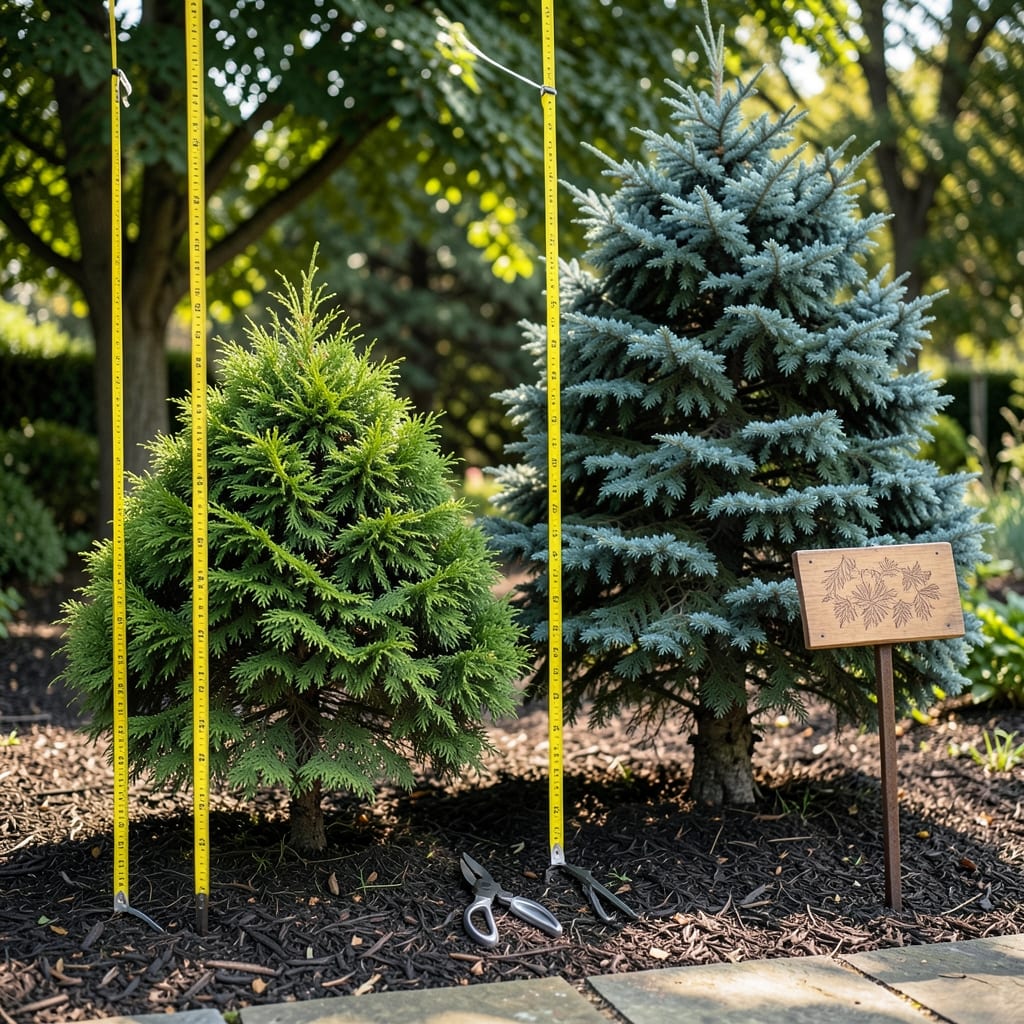
If you’re wondering how tall do arborvitae trees grow, the answer depends entirely on the variety you choose—some stay as short as 3 feet while others tower over 50 feet at maturity. That’s why picking the right type for your space is the key to avoiding regrets later.
Whether you’re dreaming of a lush privacy hedge or a striking ornamental focal point, arborvitae 🌲 offer endless possibilities. But without knowing their growth potential, you might end up with a tree that’s either too small for its purpose or outgrows your yard entirely. Let’s break down the fastest-growing varieties and how to control their height.
From the compact ‘Teddy Bear’ to the towering ‘Green Giant,’ each arborvitae species has its own growth habits. We’ll cover mature heights, spacing tips, and how climate affects their development—so you can plan with confidence. Ready to find the perfect fit for your landscape?
By the end, you’ll know exactly which arborvitae will thrive in your zone, how to space them for full coverage, and even how to prune them for faster or more controlled growth. No more guesswork—just a tailored solution for your outdoor vision.


Arborvitae height by fastest-growing varieties: mature sizes and growth rates
Arborvitae trees are among the fastest-growing evergreens, making them a favorite for privacy screens and windbreaks. But their mature height varies dramatically—from 3-foot dwarfs to 60-foot giants. The key is choosing the right variety for your space and needs. Let’s explore the top arborvitae types and their growth potential so you can plant with confidence.
For example, the 'Green Giant' arborvitae can reach 40–60 feet in height, while the 'Emerald Green' stays a manageable 12–15 feet. Even within the same species, growth rates differ based on growing conditions. Understanding these differences helps you avoid overcrowding or underutilized space in your landscape.
Here’s a quick comparison of the fastest-growing arborvitae varieties, their mature heights, and how quickly they reach full size:
| Variety | Mature Height (ft) | Growth Rate (ft/year) | Best For |
|---|---|---|---|
| Green Giant | 40–60 | 3–5 | Privacy screens, windbreaks |
| Emerald Green | 12–15 | 1–2 | Hedges, small yards |
| Teddy Bear | 3–4 | 0.5–1 | Container gardens, borders |
| American Plumosa | 20–30 | 2–3 | Ornamental focal points |
| Leap Year | 15–20 | 1.5–2.5 | Fast-growing hedges |
If you’re planning a privacy hedge, the 'Green Giant' is a powerhouse—it can grow 3–5 feet per year and create an impenetrable barrier in just a few years. For smaller spaces, the 'Emerald Green' or 'Teddy Bear' are ideal, offering dense foliage without overwhelming your yard. Always check the spacing recommendations for each variety to ensure proper airflow and sunlight.
One of my favorite tips for controlling arborvitae height is pruning in early spring. By trimming back new growth by one-third, you encourage a bushier shape and slower vertical growth. This works especially well for varieties like 'Leap Year', which can grow aggressively if left unchecked. Just avoid heavy pruning in late summer or fall, as it can stress the tree before winter.
For those in colder climates (USDA zones 3–6), arborvitae like the 'American Plumosa' thrive and grow faster due to cooler temperatures. In warmer zones (7–9), varieties like 'Emerald Green' may grow slightly slower but still deliver stunning results. Always match your arborvitae to your local climate for the best growth rates and longevity.
When spacing arborvitae for a hedge, follow these general guidelines:
- Dwarf varieties (3–6 ft): 2–3 feet apart
- Semi-dwarf varieties (10–15 ft): 4–6 feet apart
- Standard varieties (20–60 ft): 6–10 feet apart
Proper spacing ensures each tree gets enough sunlight and air circulation, which is critical for preventing diseases like root rot or bagworms.
If you’re still unsure which arborvitae to choose, consider your long-term goals. Need a quick privacy screen? The 'Green Giant' is your best bet. Want a low-maintenance border? The 'Teddy Bear' fits perfectly. And for a striking focal point, the 'American Plumosa' delivers year-round interest with minimal effort. Every variety has its place—it’s all about matching your vision to the right tree.
🌱
How to predict arborvitae growth height based on your climate and soil
Arborvitae trees don’t grow in a vacuum—their mature height depends heavily on your USDA hardiness zone, soil conditions, and even your local microclimate. For example, a 'Green Giant' arborvitae might reach 40–50 feet in Zone 5 but stay closer to 30 feet in Zone 7 due to slower growth in warmer climates. Understanding these factors helps you set realistic expectations and adjust care routines accordingly.
Soil pH plays a surprisingly big role too. Arborvitae thrive in slightly acidic soil (pH 6.0–7.0). If your soil tests higher, the tree’s roots struggle to absorb nutrients, stunting its growth. A simple soil test kit (available at garden centers) can reveal whether you need to amend your soil with peat moss or sulfur to create ideal conditions. Don’t skip this step—it’s the difference between a 15-foot hedge and a 25-foot wall!
Sunlight exposure also impacts height. While arborvitae tolerate partial shade, they grow 20–30% faster with 6+ hours of direct sun daily. In shadier spots, expect slower vertical growth but denser foliage. If you’re planting for privacy, consider spacing trees 3–5 feet apart in full sun to ensure they fill in quickly. For shade gardens, space them 5–7 feet apart to avoid overcrowding.
Watering habits can also steer your arborvitae’s growth trajectory. Young trees need deep watering weekly during their first year to establish strong roots. Once established, they’re drought-tolerant but may grow 10–15% slower in dry conditions. In urban areas with compacted soil**, consider adding organic mulch to retain moisture and improve root development. Pro tip: Water in the morning to reduce fungal risks and encourage faster growth.
If you’re in a windy climate, expect arborvitae to grow taller and leaner as they stretch toward shelter. To counteract this, plant windbreaks on the north or west sides of your property. For urban gardens with limited space, opt for columnar varieties like ‘Emerald Green,’ which grow 12–15 feet tall but stay narrow—perfect for tight spaces without sacrificing height potential.
Finally, remember that arborvitae grow slowest in their first 2–3 years as they focus on root establishment. Patience pays off: After year 3, growth accelerates, and you’ll see noticeable height gains. By adjusting your care based on these factors, you’ll steer your arborvitae toward its full potential—whether that’s a privacy wall, a windbreak, or a stunning focal point in your landscape.