
How To
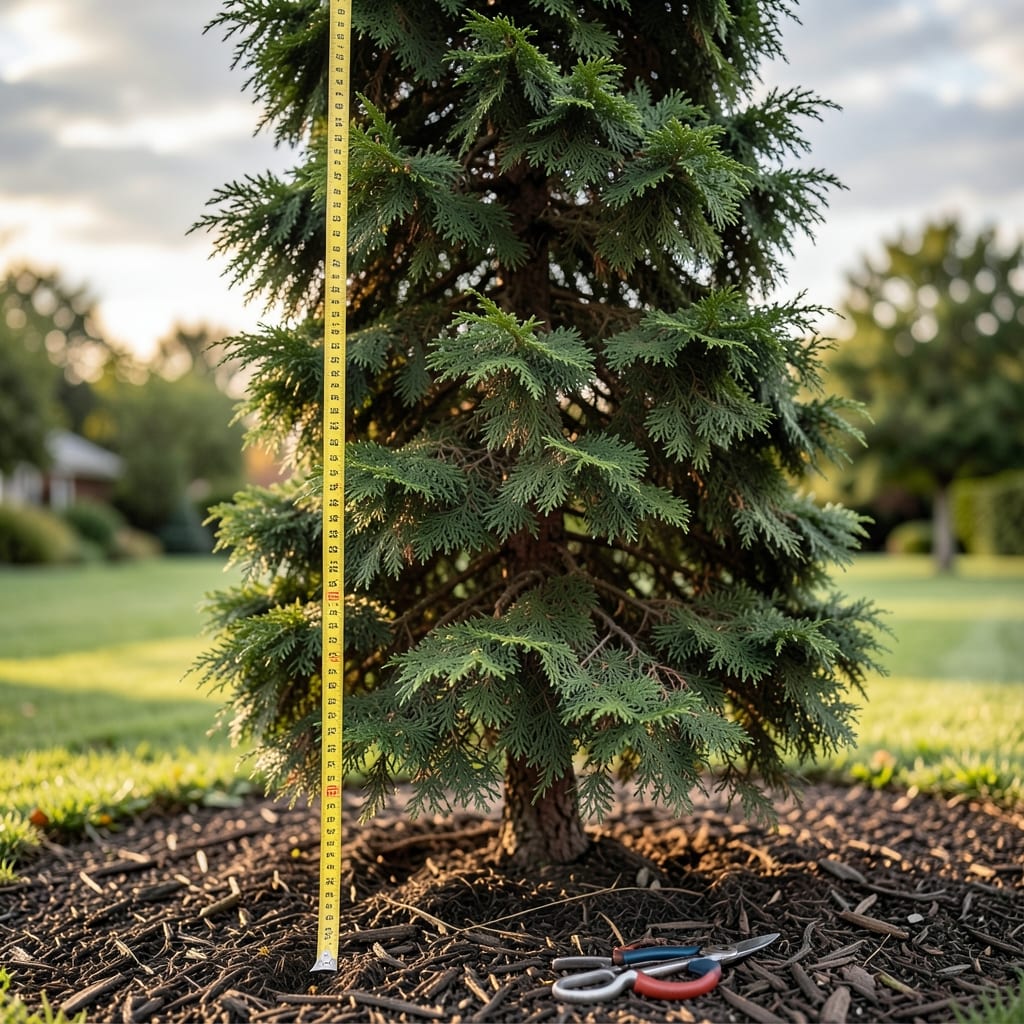
If you're wondering "how tall do arborvitaes grow", the answer might surprise you—these evergreen giants can stretch from a modest 3 feet to towering 40+ feet, depending on the variety you choose. Whether you're dreaming of a cozy, compact hedge or a dramatic privacy screen, selecting the right type is key to fitting them into your space without regrets.
Not all arborvitaes are created equal. Some varieties, like the 'Tiny Tim', stay neatly under 5 feet, making them perfect for small yards or container gardening. Others, such as the 'Green Giant', can reach heights of 30 to 40 feet, offering a bold statement for larger properties. The good news? With the right care and pruning, you can influence their growth to match your vision—whether that means keeping them trim or letting them grow wild.
But here's the catch: where you live matters. Arborvitaes thrive in USDA Zone 6a and beyond, but factors like soil quality, sunlight, and even your local climate can push them toward their full potential—or hold them back. For example, well-drained soil and consistent moisture help them grow faster, while poor conditions can stunt their height. If you're planning to use them as a hedge or screen, spacing and pruning become your best friends.
Ready to make the most of your space? I’ll break down the best varieties for small yards, how to control their growth naturally, and the secrets to keeping them healthy year-round. Let’s get started!


Arborvitae height ranges: from dwarf to giant varieties
Arborvitaes come in a stunning range of sizes, from dwarf varieties perfect for containers to towering giants that create dramatic privacy screens. The key to choosing the right one lies in understanding their mature heights and growth rates. Whether you need a 3-foot hedge or a 40-foot screen, there’s an arborvitae variety tailored to your space and vision.
Most arborvitaes belong to the Thuja genus, with heights varying dramatically between species. For example, the American arborvitae (Thuja occidentalis) typically reaches 30 to 40 feet, while the Western redcedar (Thuja plicata) can soar even higher, up to 60 feet in ideal conditions. The good news? Many modern cultivars are bred specifically for smaller spaces, offering the same lush greenery without the overwhelming height.
Here’s how arborvitaes generally break down by size category, along with their typical growth rates and mature dimensions:
If you’re planning to use arborvitaes as a privacy screen, standard varieties like 'Green Giant' (30–40 ft) or 'Brabant' (30–40 ft) are excellent choices. These grow quickly, providing year-round coverage in just a few years. For smaller spaces, 'Emerald Green' (12–15 ft) or 'Little Giant' (10–15 ft) offer the same dense foliage without the bulk.
Your local climate and soil conditions also play a huge role in how tall your arborvitae will grow. In USDA Zone 6a or higher, most varieties thrive, but well-drained soil and consistent moisture can push them toward their full potential. Poor soil or drought stress, however, can stunt their growth significantly. For example, a 'Tiny Tim' arborvitae might only reach 3–5 feet in ideal conditions but could struggle to grow beyond 2 feet in rocky or waterlogged soil.
Another factor to consider is pruning and spacing. Arborvitaes left unpruned will naturally grow taller and wider, while regular pruning can encourage a bushier, more compact shape. If you’re planting them as a hedge or screen, spacing them 3–5 feet apart allows for natural growth without overcrowding. For specimen trees, give them more room—10–15 feet of clearance—so they can reach their full height without competing for nutrients.
Pro tip: If you’re unsure about a variety’s mature size, check the tag at the nursery or consult the plant’s grower notes. Many nurseries now label arborvitaes with their expected height and spread, making it easier to pick the perfect fit for your yard. And remember, even if you choose a dwarf variety, proper care can help maintain its size—more on that in the next section!
🌲
Best space-saving arborvitae varieties for small yards
If you're working with limited space but still want the lush, evergreen beauty of arborvitaes, don't worry—there are plenty of compact varieties that thrive in small yards, containers, and even tight urban spaces. The key is selecting dwarf or semi-dwarf cultivars that stay under 15 feet at maturity while still offering the same dense foliage and year-round interest.
For example, the 'Tiny Tim' arborvitae is a fan favorite among gardeners with small spaces, typically reaching only 3–5 feet tall and wide. This variety is perfect for containers, borders, or foundation plantings where you need a pop of greenery without the bulk. Similarly, 'Emerald Green' stays between 12–15 feet, making it ideal for low hedges or privacy screens in narrow yards.
Compact Arborvitae Varieties: Pros and Cons
Height: 3–5 ft
✔️ Perfect for containers
✔️ Slow-growing, easy to prune
✔️ Drought-tolerant once established
Height: 12–15 ft
✔️ Great for low hedges
✔️ Tolerates partial shade
✔️ Fast-growing for its size
Height: 10–15 ft
✔️ Dense foliage for privacy
✔️ Resistant to deer and pests
✔️ Works well in foundation plantings
❌ Overwatering can cause root rot
❌ Poor soil drainage stunts growth
❌ Over-pruning can weaken plants
When choosing a compact arborvitae, consider your specific needs. For example, if you're looking for a container-friendly option, 'Tiny Tim' is hard to beat. It thrives in 15-gallon pots and can even be grown as a bonsai-style specimen with careful pruning. On the other hand, if you need a low hedge or foundation planting, 'Emerald Green' or 'Little Giant' are excellent choices—they grow fast enough to provide privacy but stay manageable in size.
To keep these varieties at their ideal height, focus on proper spacing and pruning. Plant dwarf arborvitaes 3–5 feet apart to allow airflow and prevent overcrowding. For semi-dwarf varieties like 'Emerald Green', space them 4–6 feet apart to encourage a fuller, bushier shape. Prune in late winter or early spring to shape the plant and remove any dead or overgrown branches. Avoid heavy pruning in the fall, as this can stress the plant before winter.
One of my favorite tips for maintaining compact arborvitaes is to mulch around the base with 2–3 inches of organic mulch, like shredded bark or wood chips. This helps retain moisture, suppress weeds, and regulate soil temperature—all of which contribute to healthier, slower-growing plants. Just be sure to keep the mulch a few inches away from the trunk to prevent rot.
🌿