
Size
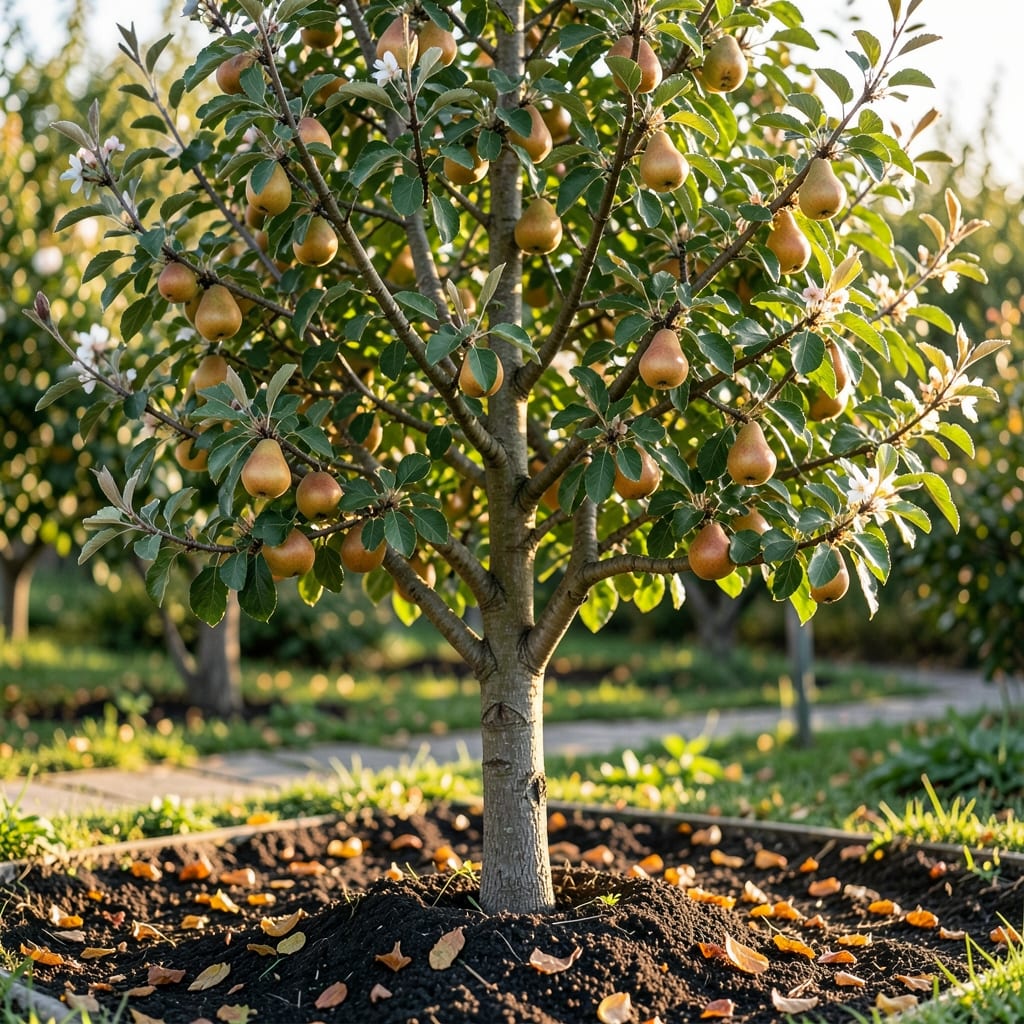
If you're wondering how tall do Asian pear trees grow, the answer might surprise you—these trees can range from compact enough for a backyard to towering giants that need serious space. With varieties like the ‘Chojuro’ staying around 15 feet and others like ‘Hosui’ stretching to 30 feet, your garden layout depends entirely on what you plant.
But here’s the good news: you don’t have to let size dictate your dreams. Whether you’re working with a small urban yard or a sprawling orchard, understanding the growth habits of your 🍐 Asian pear tree is the first step to planning the perfect spot. Some varieties even thrive in containers, making them ideal for balconies or patios.
Pruning plays a huge role in managing height—whether you want to keep your tree at a manageable 10 feet or let it grow wild. The right techniques can transform a 20-foot tree into a more compact, easier-to-maintain version without sacrificing fruit production.
Ready to plan your garden? Let’s break down the varieties, spacing tips, and pruning secrets so you can grow the perfect Asian pear tree—no matter how much (or little) space you have. Plan your layout with confidence!

Asian pear tree height by variety: from dwarf to giant
When planning your 🍐 Asian pear orchard, knowing the mature height of your chosen variety is crucial. Some varieties stay under 15 feet, perfect for small yards, while others can soar to 30 feet or taller. The height depends on the rootstock and variety—dwarf options are ideal for containers, while standard varieties need ample space.
For example, the ‘Chojuro’ variety typically reaches 15–20 feet at maturity, making it a great choice for suburban gardens. On the other hand, ‘Hosui’ can grow up to 30 feet, requiring a rural setting or large property. Even within the same variety, rootstock choices can shrink or stretch the tree’s height significantly.
Here’s how to visualize the height differences—this summary table breaks down popular varieties, their mature sizes, and ideal spacing for both urban gardens and orchards:
| Variety | Mature Height | Spacing (Feet) | Best For |
|---|---|---|---|
| ‘Chojuro’ | 15–20 ft | 12–15 ft | Small yards, containers |
| ‘Niitaka’ | 20–25 ft | 15–20 ft | Suburban gardens |
| ‘Hosui’ | 30+ ft | 25–30 ft | Orchards, rural areas |
| ‘Korean Giant’ (Dwarf) | 10–15 ft | 8–10 ft | Containers, patios |
| ‘Shinko’ | 20–25 ft | 15–20 ft | Medium yards |
Climate also plays a role in height—trees in warmer USDA zones (8–9) may grow slightly taller due to longer growing seasons, while those in cooler zones (5–6) might stay more compact. Always check your local nursery for rootstock recommendations to tailor the tree’s size to your space.
If you’re planting multiple trees, spacing is key. Standard varieties need 20–30 feet between trees for proper airflow and sunlight, while dwarf varieties can be spaced 10–15 feet apart. In tight spaces, consider espalier training to grow trees flat against a fence or wall, saving space without sacrificing fruit.
For urban gardeners, dwarf varieties like ‘Korean Giant’ are game-changers—they fit in large containers (20+ gallons) and can still produce abundant fruit. Just ensure the container has drainage holes and use a high-quality potting mix to prevent root rot. 🪴
Ready to pick your perfect variety? Start by measuring your space and choosing a rootstock that matches your height goals. Whether you go for a 10-foot dwarf or a 30-foot giant, Asian pears bring beauty and bounty to any garden—no matter the size! 🍐
How to control Asian pear tree height through pruning
Pruning is your secret weapon for managing Asian pear tree height. Whether you’re dealing with a 30-foot monster or a 15-foot compact variety, the right techniques can keep your tree at your desired size—without sacrificing those juicy 🍐 pears. The key is timing, tools, and knowing which branches to trim.
Start by choosing your pruning style: central leader (for a single trunk) or open-center (for a bushier shape). Both methods work, but open-center pruning often keeps trees shorter and more manageable. For standard varieties, aim to prune in late winter or early spring before buds swell—this encourages strong new growth while controlling height.
🌱 Pro Tip: Use sharp, clean pruners or a saw for larger branches. Disinfect tools between cuts to prevent disease spread. Always cut just above a bud or branch collar to promote faster healing.
🌿 Step-by-Step Pruning Guide
- Step 1: Remove dead or diseased branches first—these can stunt growth and spread problems.
- Step 2: Thin out crossing or crowded branches to improve airflow and sunlight penetration.
- Step 3: Cut back vertical shoots to redirect energy toward fruit production and a more compact shape.
- Step 4: Prune water sprouts (fast-growing vertical shoots) to maintain a balanced canopy.
- Step 5: For height control, trim the topmost branches by 1/3 to slow vertical growth.
If your Asian pear tree is already too tall, don’t panic! You can reduce it gradually over 2-3 years by pruning 1/3 of the height each season. Focus on removing branches from the upper third of the tree to lower its overall profile. Just remember: prune in stages to avoid shocking the tree.
For container-grown trees, prune more aggressively in early spring to keep them under 10-12 feet. Use a support stake if needed to guide growth direction. Regular pruning also encourages earlier fruiting and larger harvests—so it’s a win-win!
Plan your pruning schedule now: late winter for structural shaping and summer for light maintenance. With the right approach, you’ll have a well-sized, productive Asian pear tree that fits your space perfectly. Ready to get started? Grab your pruners and let’s shape that tree! ✂️