
How To
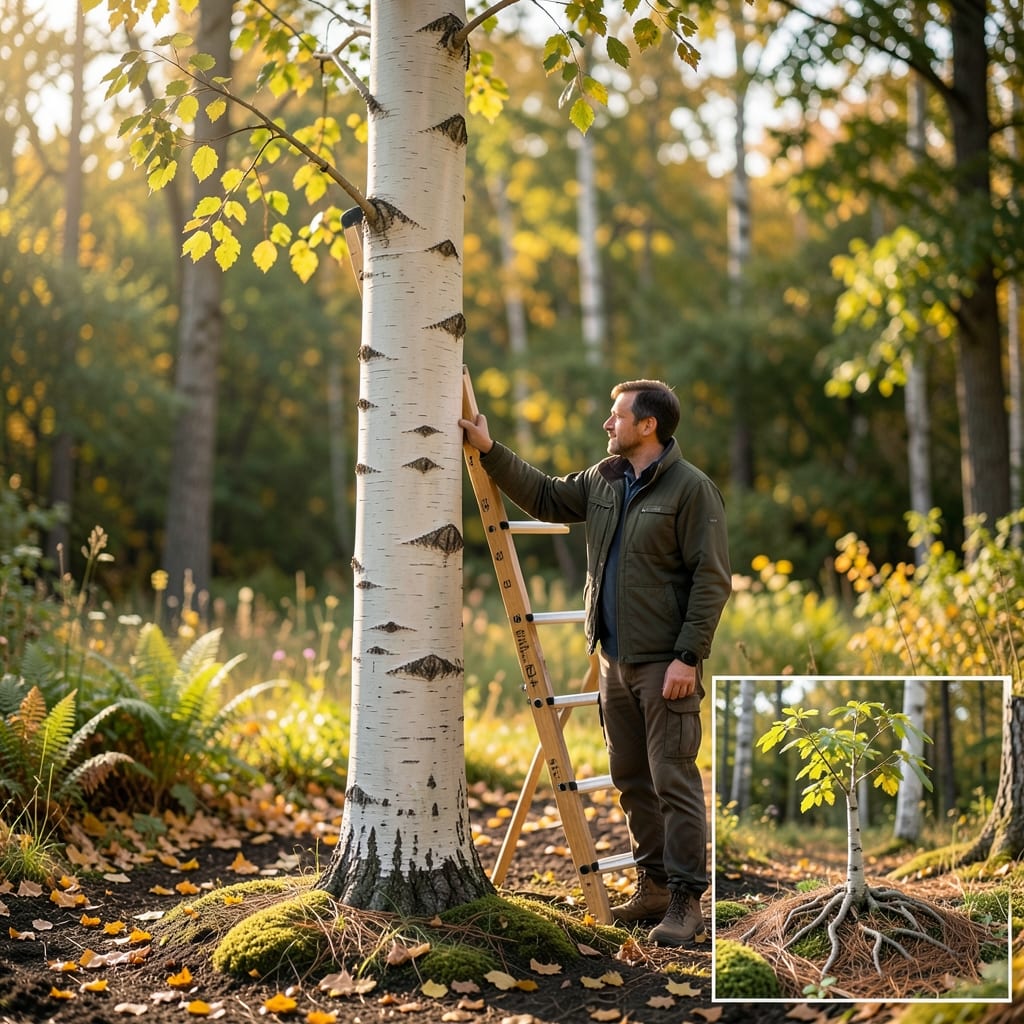
Curious about how tall do aspens grow when left to their own devices? These graceful 🌳 giants can shoot up to 80 feet—taller than most homes—with the right conditions, making them nature’s skyscrapers.
What’s even more impressive? Aspens thrive in Zone 6a and beyond, growing fast—up to 5 feet per year in ideal spring soil. Whether you’re dreaming of a towering shade tree or just love their golden fall foliage, their height potential is a game-changer for landscapes.
But here’s the catch: their rapid growth means they need space. Planting them in your backyard? You’ll need to plan for their mature size and learn how to manage their spread. Let’s break down what you need to know to grow them successfully.
From soil prep to pruning tips, I’ll show you how to encourage their fastest growth while keeping them healthy. Ready to add a true giant to your garden?

Natural height of aspens: how tall do they grow without human intervention?
When left to grow naturally, quaking aspen trees (Populus tremuloides) can reach 40 to 80 feet tall, with some towering specimens exceeding 100 feet in ideal conditions. Their rapid growth rate—up to 5 feet per year—makes them one of the fastest-growing hardwood trees in North America.
In the wild, aspens often form clonal colonies through underground root systems, creating expansive groves where individual trees share nutrients. This natural growth pattern allows them to dominate landscapes, especially in open, sunny areas with rich soil.
The tallest recorded aspen in North America stands at 102 feet, found in the Pacific Northwest’s wetter climates. However, most aspens in Zone 6a and drier regions typically max out around 60 to 70 feet without human intervention.
Environmental factors like sunlight exposure, water availability, and soil quality play critical roles in their height potential. For example, aspens in full sun grow significantly taller than those in shaded areas, where competition for light stunts their vertical growth.
In urban or suburban settings, aspens may not reach their full height due to limited space and competition from other plants. However, with proper spacing and care, they can still grow 30 to 50 feet tall in just 10 to 15 years.
One fascinating fact about aspens is their lifespan. While individual stems may live only 100 to 150 years, their interconnected root systems can create genetically identical clones that persist for thousands of years. This makes them one of the longest-lived tree species in North America.
If you're considering planting aspens, remember that their root systems spread aggressively, often 3 to 5 times wider than their canopy. This means you’ll need a large property to accommodate their mature size without crowding other plants.
For gardeners in smaller spaces, dwarf varieties or container-grown aspens are available, though they won’t reach the same heights. Always check local regulations, as some areas restrict planting large trees near structures due to their massive root systems.
In summary, aspens are nature’s skyscrapers, capable of reaching 80 feet or more with the right conditions. Whether you're aiming for a shade provider, wildlife habitat, or simply a stunning landscape feature, their height potential is unmatched—just be prepared for their space requirements!
Fastest-growing aspen varieties that reach 30+ feet naturally
Not all aspens grow at the same speed or reach the same heights. While quaking aspen (Populus tremuloides) is the classic variety that hits 60-80 feet, some faster-growing clones and hybrids can reach 30+ feet in just 10-15 years. If you’re short on space but still want a towering tree, these varieties are worth exploring.
Hybrid aspens, like Populus x jackii (a cross between quaking aspen and black cottonwood), can grow 3-5 feet per year under ideal conditions. These hybrids often outpace native aspens, making them perfect for landowners who want fast shade without waiting decades.
For smaller gardens, consider bigtooth aspen (Populus grandidentata), which typically reaches 40-50 feet but grows more slowly—about 2 feet per year. While not as fast as hybrids, it’s more manageable for suburban lots.
| Variety | Mature Height | Growth Rate | Best For |
|---|---|---|---|
| Quaking Aspen (Populus tremuloides) | 60-80 ft | 3-5 ft/year | Large properties, natural landscapes |
| Hybrid Aspen (Populus x jackii) | 50-70 ft | 4-6 ft/year | Fast shade, urban areas |
| Bigtooth Aspen (Populus grandidentata) | 40-50 ft | 2-3 ft/year | Suburban gardens, slower growth |
If you’re planting aspens for timber or wildlife, native varieties like quaking aspen are ideal—they support over 400 insect species and provide food for birds. However, hybrids like Populus x jackii are better for urban planting due to their resilience to pollution.
For maximum height, prioritize full sun and moist, well-drained soil. Avoid planting near structures, as their roots can spread aggressively. With the right variety and care, you’ll have a 30-foot aspen in no time—or even taller!
Pro tip: If you’re unsure which variety to choose, start with quaking aspen for classic height and beauty, or opt for hybrids if speed is your priority. Just remember—these trees need space to stretch their legs!