
Trees
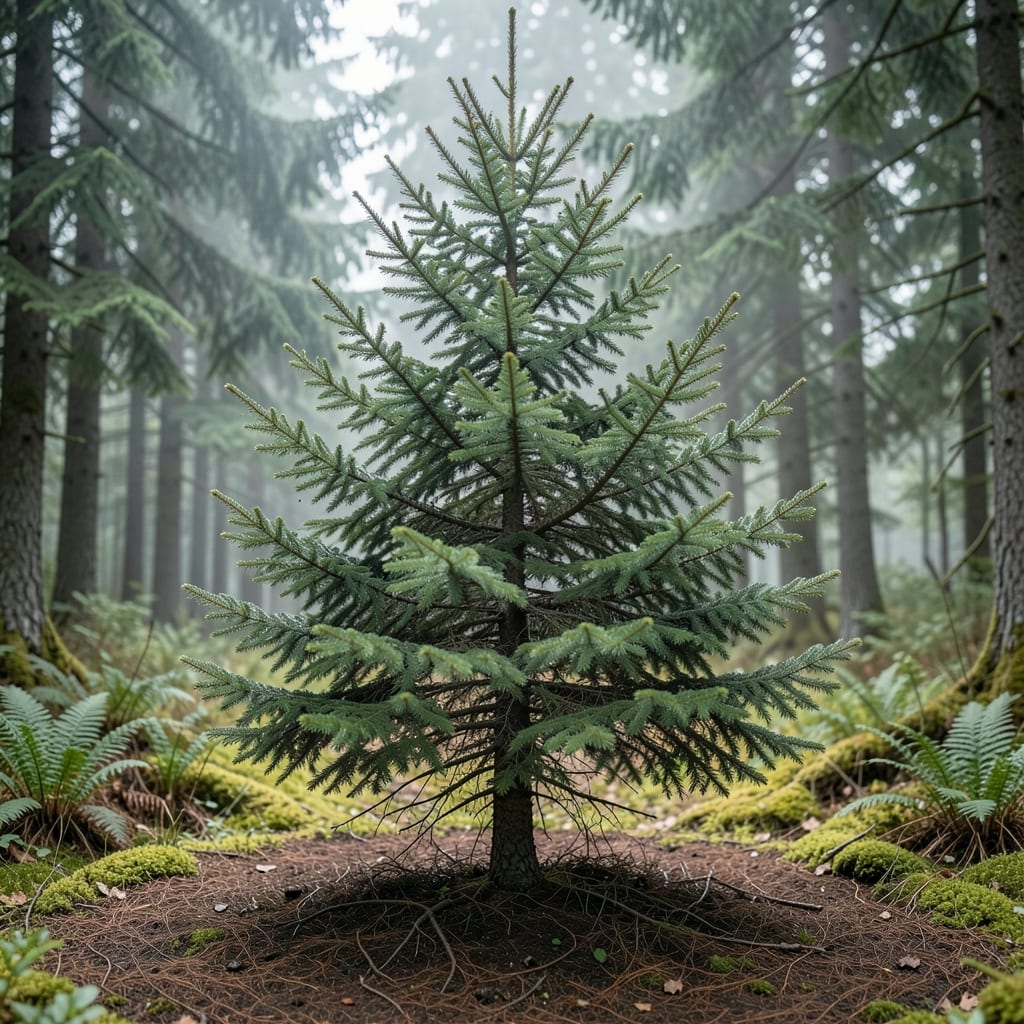
Wondering how tall do balsam fir trees grow? These majestic evergreens can reach heights of 40 to 60 feet under ideal conditions, making them a stunning but space-demanding addition to any landscape.
If you're considering planting one, it's important to know that their growth rate varies depending on factors like soil quality, sunlight exposure, and climate. In the right environment, these trees can grow up to 2 feet per year during their early years, though that slows as they mature.
For gardeners with limited space, there are ways to manage their size through strategic planting and occasional pruning. Whether you're planning for a towering centerpiece or a more compact look, understanding these growth patterns is key to making the most of your balsam fir.
Let’s break down what you need to know about their mature heights, growth rates, and how to keep them thriving in your yard.


Balsam fir mature heights: how tall can they grow?
The balsam fir (Abies balsamea) is a true giant of the evergreen world, typically reaching 40 to 60 feet at maturity. In ideal conditions—like the cool, moist climates of the Northeastern U.S. and Canada—these trees can tower even higher, especially in wild forests where they compete for sunlight.
For cultivated landscapes, most balsam firs max out around 50 feet, though their spread is equally impressive, with canopies stretching 15 to 25 feet wide. This makes them a statement piece but requires careful planning for smaller yards.
In urban or suburban settings, growth may be slightly stunted due to limited space or soil constraints, but they’ll still reach 30 to 40 feet with proper care. Their slow, steady growth means they won’t overwhelm your garden overnight—but patience is key!
Here’s how their height compares to other popular evergreens for context:
| Tree Type | Mature Height (ft) | Spread (ft) | Growth Rate |
|---|---|---|---|
| Balsam Fir | 40–60 | 15–25 | Slow to moderate |
| White Pine | 50–80 | 20–30 | Moderate |
| Norway Spruce | 30–50 | 10–20 | Moderate |
| Blue Spruce | 40–60 | 15–25 | Slow |
While balsam firs are taller than blue spruces, they’re more compact than white pines, which can stretch toward 80 feet in ideal conditions. Their pyramidal shape also makes them a favorite for Christmas tree farms, where they’re often harvested at 10 to 15 feet for holiday displays.
In cooler climates like USDA Zones 3–5, balsam firs thrive and reach their full potential. However, in warmer zones (6–7), their growth may slow, and they might only reach 25 to 35 feet without extra care like mulching or consistent watering.
If you’re planting near power lines or structures, account for their mature canopy width. A 25-foot spread means they’ll need ample space to avoid crowding other plants or blocking sunlight from your home.
For gardeners in smaller spaces, consider planting near a fence or property line to maximize their vertical impact without sacrificing yard functionality. Their fragrant needles and dark green foliage add year-round interest, making them a worthwhile investment for any landscape.
🌲
Balsam fir mature heights: how tall can they grow?
If you're planning to add a balsam fir (Abies balsamea) to your landscape, knowing its mature height is essential. In the wild, these evergreens can reach an impressive 40 to 60 feet tall, with some specimens exceeding 70 feet in ideal conditions. Their height makes them a standout feature, but it also means they need plenty of space to thrive.
In cultivated settings, such as gardens or parks, balsam firs typically grow between 30 and 50 feet, depending on growing conditions. For example, trees in USDA zones 3-6 (their native range) tend to reach their full height faster than those in warmer climates. If you're in a smaller yard, this size might feel overwhelming, but there are ways to manage it.
Here’s a quick comparison to help you visualize their size: Balsam firs can grow taller than a 4-story building (about 40 feet per story), making them a dramatic focal point in large landscapes. Their height also means they provide excellent winter windbreaks and year-round greenery.
Regional differences also play a role in height. In the northeastern U.S. and Canada, where balsam firs are native, they grow faster and taller due to cooler temperatures and acidic, well-draining soils. In warmer climates, like the southeastern U.S., growth may be slower, and trees might max out at 30 to 40 feet without extra care.
For gardeners in urban areas or with limited space, consider planting a balsam fir near property lines or as a backyard privacy screen. Their dense foliage also makes them ideal for windbreaks or wildlife habitats, as birds and small mammals often nest in their branches.
If you’re unsure whether your space can accommodate a full-sized balsam fir, start with a smaller variety or plan for strategic pruning to keep it manageable. Just remember: these trees are long-lived, with some exceeding 200 years in the wild, so choose their location wisely!