
Plants
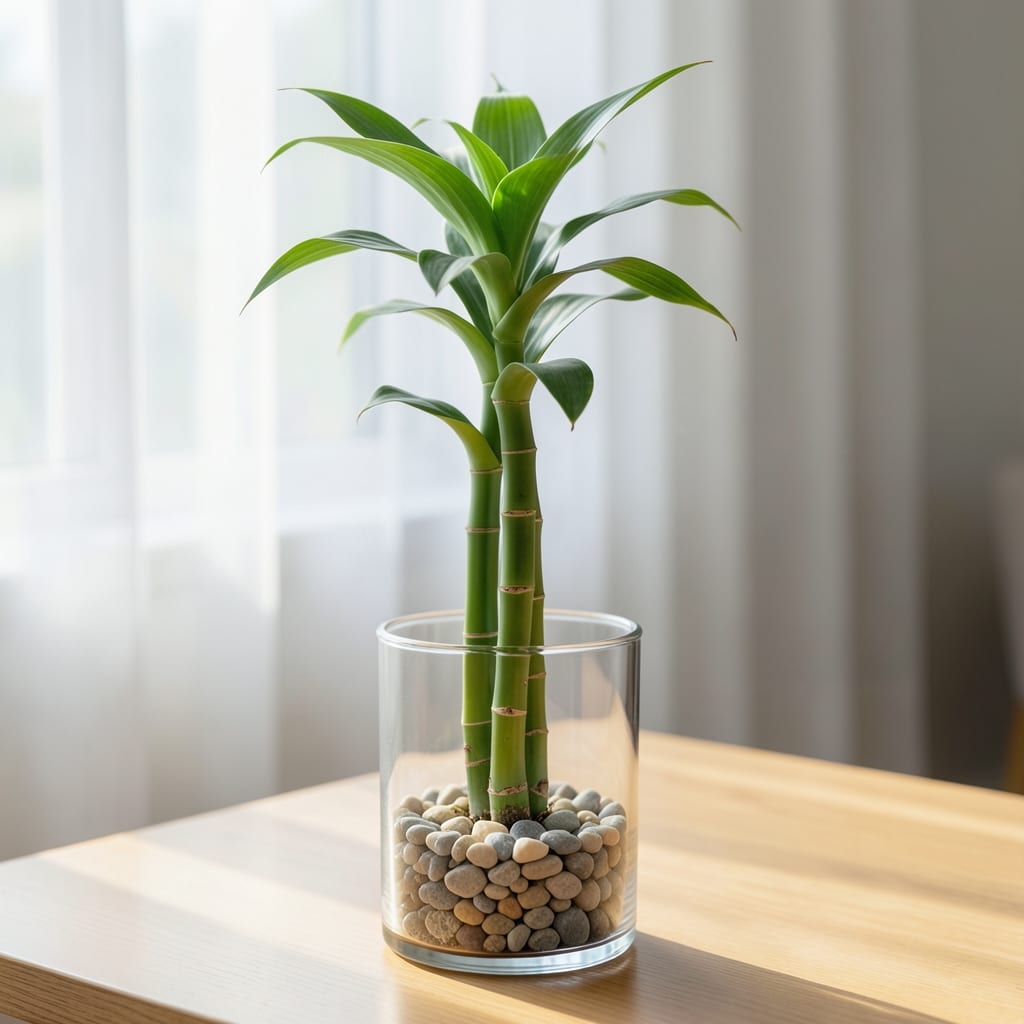
If you’re wondering how tall do bamboo palms grow, the answer might surprise you—these tropical beauties 🌿 can range from petite tabletop plants to towering giants that reach the sky. Whether you’re dreaming of a lush indoor accent or a statement piece for your garden, understanding their growth potential is key to choosing the right variety for your space.
Some bamboo palms stay compact, perfect for small apartments or offices, while others grow tall enough to rival trees. The difference often comes down to the species—like the dainty Chamaedorea seifrizii, which maxes out around 6 feet, versus the bold Dendrocalamus asper, which can soar past 50 feet. Knowing these distinctions helps you pick a plant that fits your vision without overwhelming your home or yard.
But here’s the catch: even dwarf varieties can grow faster than you think if given the right conditions. Light, soil quality, and climate all play a role in how quickly—and how tall—your bamboo palm will become. I’ll break down the factors that influence growth, so you can set yours up for success from day one.
Ready to find the perfect fit? Let’s explore the world of bamboo palms—from tiny tabletop companions to sky-scraping giants—and discover how to manage their height, no matter what size you’re working with.


Bamboo palm height guide: compact varieties for small spaces
If you love the look of bamboo palms but have limited space, you’ll be thrilled to know some varieties stay remarkably compact. These smaller types are perfect for apartments, offices, or even as tabletop plants, offering tropical charm without the towering presence. The key is choosing the right species—like Chamaedorea seifrizii or Bambusa multiplex—which top out at just 6 feet or less, making them ideal for containers or indoor growing.
Compact bamboo palms thrive in pots, allowing you to control their growth and move them seasonally. For example, the Bambusa multiplex 'Tiny Fern' variety rarely exceeds 3–4 feet in height, while the Chamaedorea elegans stays between 3–6 feet. These sizes make them perfect for patios, sunrooms, or even as striking centerpieces in your home. The trade-off? They grow slower than their taller cousins but still deliver lush, feathery foliage with minimal effort.
Before you bring one home, consider your space’s light conditions. Most compact bamboo palms prefer bright, indirect light, which mimics their natural understory habitat. Too much direct sun can scorch their leaves, while too little light slows their growth. Place them near an east- or west-facing window for ideal results, or use grow lights if you’re keeping them indoors year-round.
Here’s a quick tip: If you’re growing a compact variety in a pot, choose a container that’s at least 12–18 inches wide to accommodate root growth. Overcrowded roots can stunt height but also lead to stress, so repot every 2–3 years to refresh the soil and give roots room to spread. This simple step keeps your bamboo palm healthy and encourages steady, manageable growth.
| Variety | Mature Height | Best For | Growth Rate |
|---|---|---|---|
| Bambusa multiplex 'Tiny Fern' | 3–4 ft | Containers, patios | Slow to moderate |
| Chamaedorea seifrizii | 6 ft | Indoors, offices | Moderate |
| Chamaedorea elegans | 3–6 ft | Tabletop, small spaces | Slow |
| Neanthe bella palm | 4–5 ft | Indoor decor | Moderate |
When selecting a compact bamboo palm, pay attention to its frond spread as well as height. Some varieties, like the Chamaedorea elegans, have a bushier habit, making them ideal for filling corners or shelves. Others, like the Bambusa multiplex, grow more upright but still stay manageable. If you’re placing your plant in a high-traffic area, opt for a variety with arching fronds to soften the space visually.
One common mistake is assuming all compact bamboo palms are low-maintenance. While they’re easier to manage than towering varieties, they still need consistent moisture and occasional fertilizing to thrive. Use a balanced liquid fertilizer (like 10-10-10) every 4–6 weeks during the growing season to encourage healthy growth. Over-fertilizing can lead to salt buildup in the soil, which stunts growth, so always follow the package instructions.
For those with limited space but a love for texture, consider combining a compact bamboo palm with other low-growing tropical plants, like calatheas or peperomias. This creates a lush, layered look without sacrificing floor space. Just ensure each plant has enough light and air circulation to prevent issues like fungal diseases or pests, which are more common in crowded indoor gardens.
If you’re growing your bamboo palm outdoors in a container, don’t forget to rotate the pot occasionally so all sides of the plant receive even light. This prevents the palm from leaning toward a light source, which can make it look lopsided. A little extra care like this keeps your compact bamboo palm looking polished and healthy year-round.
Finally, remember that even dwarf varieties can outgrow their containers if left unchecked. If you notice roots circling the bottom of the pot or fronds becoming sparse, it’s time to repot into a larger container. This isn’t just about height control—it’s about giving your plant the space it needs to thrive. With the right care, your compact bamboo palm will reward you with years of lush, tropical beauty, no matter how small your space.
Tall bamboo palms: when and where to plant towering varieties
If you’re ready to make a bold statement in your landscape, tall bamboo palms are the way to go. These towering giants can reach heights of 20–50 feet, creating dramatic focal points in gardens, courtyards, or even as natural privacy screens. Varieties like Dendrocalamus asper and Bambusa vulgaris are prime examples, with some species growing 3–5 feet per year under ideal conditions. But before you plant, it’s crucial to understand their space requirements and growth habits to avoid surprises.
Tall bamboo palms thrive in warm climates (USDA zones 9–11) but can also adapt to cooler regions if planted in containers and brought indoors during winter. Their rapid growth means they’ll quickly fill vertical space, so plan accordingly. For instance, a Dendrocalamus asper can tower over 50 feet in just a few years, while Bambusa multiplex 'Alphonse Karr' typically reaches 15–20 feet. Always check the mature height of your chosen variety before planting.
Light is another critical factor for tall bamboo palms. While they tolerate partial shade, they perform best with full sun to partial shade, especially in hotter climates. Too much shade can slow their growth, while direct afternoon sun may scorch their fronds. If you’re planting outdoors, position them where they’ll receive morning sun and afternoon shade, or use a lightweight shade cloth during peak summer hours to protect young plants.
Soil quality plays a huge role in how tall your bamboo palm grows. These plants prefer well-draining, slightly acidic soil (pH 5.5–6.5) rich in organic matter. Heavy, compacted soil can stunt root growth, leading to weaker stems and slower height increases. Amend your soil with compost or peat moss before planting to improve drainage and fertility. For container-grown tall varieties, use a fast-draining potting mix blended with perlite or orchid bark to prevent root rot.
🌳 Key Takeaways for Tall Bamboo Palms
- Height range: 10–50+ feet (varies by species)
- Growth rate: 3–5 feet per year in ideal conditions
- Light needs: Full sun to partial shade (morning sun preferred)
- Soil type: Well-draining, slightly acidic, rich in organic matter
- Climate zone: USDA 9–11 (container-grown for cooler zones)
Pro tip: Mulch around the base to retain moisture and regulate soil temperature, which supports faster, healthier growth.
When planting tall bamboo palms outdoors, consider their mature size and how they’ll interact with nearby structures. For example, a 20-foot variety planted near a 10-foot fence will eventually tower over it, creating a striking vertical accent. If you’re concerned about height, opt for clumping bamboo varieties like Bambusa multiplex, which grow in tight clusters rather than spreading aggressively. Running bamboo species (like Phyllostachys) can be more challenging to control and may require root barriers to prevent unwanted spread.
Watering tall bamboo palms requires a balanced approach. While they need consistent moisture, overwatering can lead to root rot, especially in heavy soils. Aim to water deeply 2–3 times per week during the growing season, allowing the top 2–3 inches of soil to dry out between waterings. In containers, check moisture levels by sticking your finger into the soil—if it’s dry up to your first knuckle, it’s time to water. Reduce watering in fall and winter as growth slows down.
Finally, don’t overlook the role of fertilization in encouraging tall growth. Use a balanced, slow-release fertilizer (like 10-10-10) in early spring to support new growth. Apply it according to package instructions, typically every 2–3 months