
How To
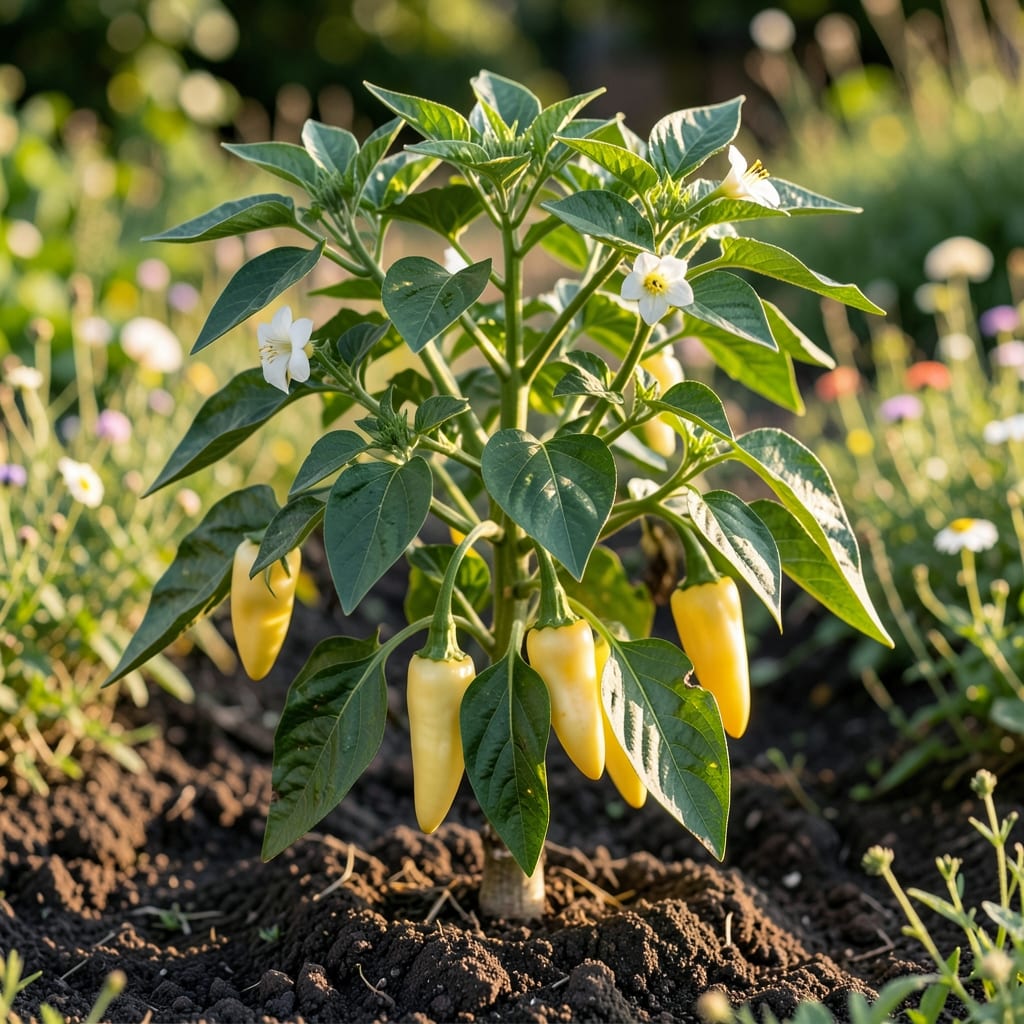
If you're wondering how tall do banana peppers grow, the answer might surprise you—these mild, sweet peppers can range from compact 12-inch shrubs to towering 4-foot plants, depending on the variety and care. For gardeners with limited space, knowing this helps you plan your layout without sacrificing yield.
Most home gardeners grow banana peppers 🌶️ in USDA Zone 6a and beyond, where they thrive in spring planting from April to May. Varieties like 'Golden Banana' stay shorter (18 inches), while others like 'Apache' can stretch toward 3–4 feet—so choosing the right type matters for your garden design.
Pruning plays a huge role in controlling height and boosting productivity. A little strategic trimming can keep plants bushier and more manageable, even for taller varieties. Whether you're growing in containers or garden beds, understanding these growth habits ensures you maximize space without losing flavor.
Ready to grow? I’ll show you how to pick the perfect variety, prune for ideal height, and even use vertical supports to make the most of your harvest. Let’s get started!

Banana pepper height by variety: from dwarf to towering plants
When planning your garden, knowing how tall banana peppers grow helps you choose the right variety for your space. Most banana peppers fall into three height categories: dwarf (12–18 inches), semi-dwarf (24–36 inches), and standard (36–48 inches). The variety you pick determines whether your peppers stay at eye level or reach small tree height.
For example, the popular 'Golden Banana' variety tops out at 18–24 inches, making it ideal for containers or small gardens. Meanwhile, 'Apache' peppers can grow 3–4 feet tall, requiring more space or vertical support. Even within the same species, growth habits vary—some stay bushy, while others grow taller with fewer branches.
If you're short on space, opt for dwarf varieties like 'Candy' or 'Jupiter', which max out around 18 inches. These are perfect for balcony gardens or windowsill containers. For larger harvests, taller varieties like 'Banana Yellow' (up to 4 feet) thrive in garden beds but need staking or pruning to manage their height.
Here’s how different varieties compare in terms of mature height and growth habits:
| Variety | Mature Height | Growth Habit | Best For |
|---|---|---|---|
| Golden Banana | 18–24 inches | Bushy, compact | Containers, small gardens |
| Apache | 36–48 inches | Tall, upright | Garden beds, trellises |
| Candy | 12–18 inches | Dwarf, bushy | Balconies, pots |
| Jupiter | 24–30 inches | Medium, upright | Garden beds, raised beds |
| Banana Yellow | 36–48 inches | Tall, sprawling | Large gardens, trellises |
Sunlight and soil quality also influence height. Full sun (6+ hours daily) encourages taller growth, while partial shade can keep plants shorter but may reduce yield. Well-draining, fertile soil with a pH of 6.0–6.8 ensures healthy growth, regardless of variety.
If you’re growing in containers, dwarf varieties thrive with 5-gallon pots or larger. For taller varieties, use 10+ gallon containers to prevent root binding, which can stunt growth. Always plant in well-draining soil mixed with compost to support robust root development.
Pruning isn’t just for height control—it also improves airflow, reducing the risk of fungal diseases like powdery mildew. I’ll cover pruning techniques in the next section, but for now, focus on choosing a variety that fits your space and growth goals.
Pro tip: If you love the flavor of banana peppers but lack space, try grafting a dwarf variety onto a compact tomato rootstock. This can further reduce height while boosting yield—just ensure the rootstock is disease-resistant!
Banana pepper height by variety: from dwarf to towering plants
When planning your garden, knowing how tall banana peppers grow depends entirely on the variety you choose. Some stay compact at just 12–18 inches, while others can reach 3–4 feet—almost the height of a standard kitchen countertop! This variety-specific growth habit affects spacing, sunlight access, and even your harvest strategy.
For example, the Golden Banana pepper typically stays between 18–24 inches, making it ideal for container gardening or small raised beds. On the other hand, the Apache variety can grow 3–4 feet tall, requiring more space and possibly vertical support to prevent sprawling. Understanding these differences helps you avoid overcrowding and ensures each plant gets the care it needs.
| Variety | Mature Height | Growth Habit | Best For |
|---|---|---|---|
| Golden Banana | 18–24 inches | Bushy, compact | Containers, small gardens |
| Apache | 3–4 feet | Tall, upright | Garden beds, vertical supports |
| Candy | 2–3 feet | Semi-bushy | Raised beds, trellises |
| Jupiter | 2–3 feet | Bushy, prolific | Large containers, garden plots |
The Golden Banana variety is perfect if you’re working with limited space, as its compact height makes it easy to fit into containers or small garden nooks. Meanwhile, the Apache variety’s towering stature means it needs more room to spread its roots and branches. If you’re growing in USDA Zone 6a, where frost-free days are limited to about 165 days, choosing a shorter variety ensures you get a full harvest before cooler weather sets in.
Another factor affecting height is pruning habits. Even tall varieties like Apache can be kept shorter with regular trimming, while compact varieties like Golden Banana may benefit from minimal pruning to encourage bushier growth. Pruning not only controls height but also redirects energy toward producing more peppers, which is especially useful if you’re aiming for a high yield in a small space.
For gardeners in raised beds or container gardens, dwarf varieties like Golden Banana are ideal because they don’t require staking or vertical support. However, if you’re growing in garden beds with taller varieties, consider adding a trellis or cage to prevent the plants from sprawling. This not only saves space but also improves air circulation, reducing the risk of diseases like powdery mildew.
If you’re still unsure which variety to pick, consider your garden’s layout and your personal preferences. Do you prefer a neat, compact plant or a taller, more dramatic one? The choice can make a big difference in how you design your garden and how much effort you’ll need to put into maintenance. Start with a Golden Banana for a low-maintenance option or go for an Apache if you’re up for a challenge and want a taller, more striking plant.