
Size
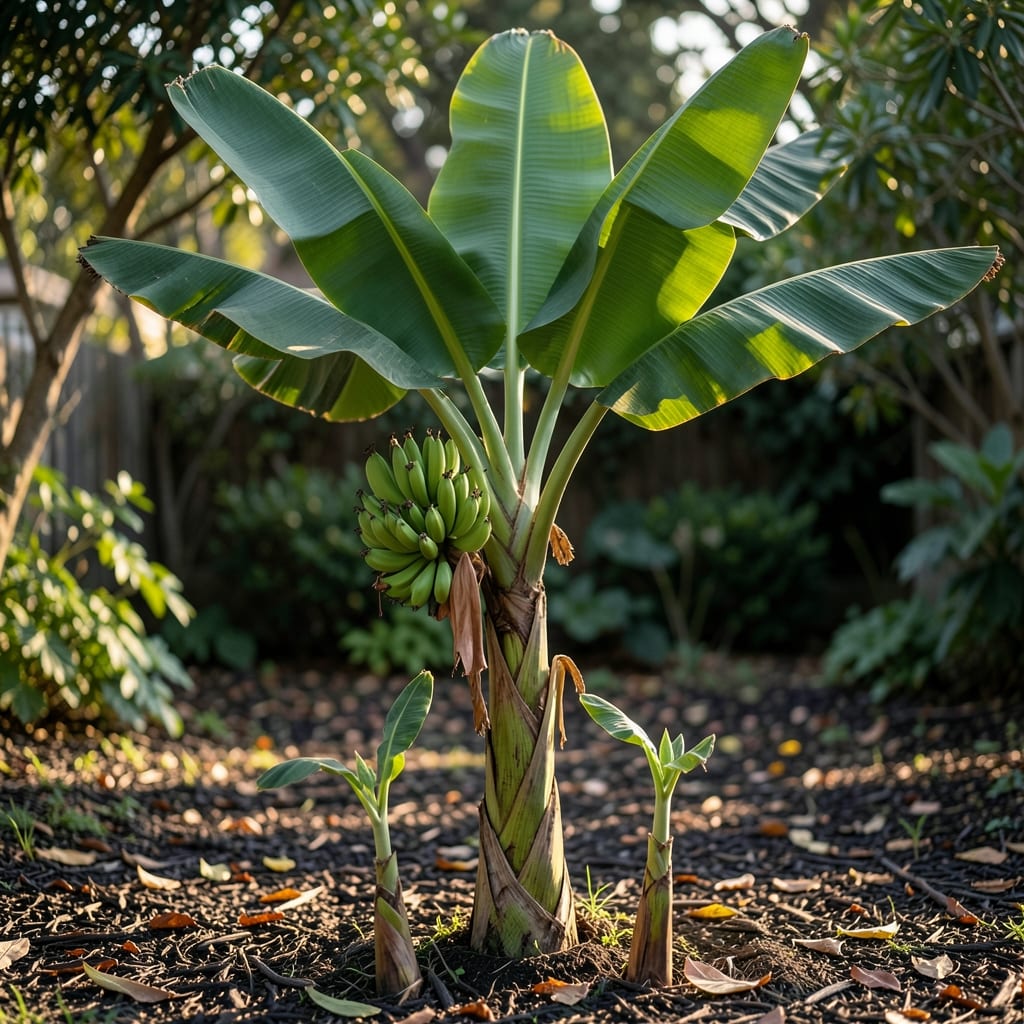
If you’ve ever wondered how tall do banana plants grow, you might be surprised to learn they can reach heights of 20-25 feet—taller than most two-story houses! But don’t let that intimidate you. With the right variety and care, you can grow compact banana plants that fit perfectly in small gardens, containers, or even balconies.
Banana plants aren’t trees—they’re actually giant herbs, and their size varies dramatically depending on the type. Dwarf varieties like the Dwarf Cavendish stay under 10 feet, making them ideal for urban growers. Meanwhile, commercial varieties can soar much taller, requiring more space and maintenance. The key to managing their height lies in choosing the right cultivar and providing proper care.
Whether you’re a first-time gardener or a seasoned plant parent, understanding banana plant growth is essential. You’ll learn how to select space-saving varieties, control their height with pruning, and create the perfect growing conditions—even in limited spaces. Let’s explore how to grow bananas without sacrificing your backyard (or sanity!).
From tropical climates to containers, we’ll cover everything you need to know to enjoy homegrown bananas—no matter how much (or little) space you have. Ready to dive in?


Banana plant height guide: from dwarf varieties to giant species
Banana plants are often misunderstood as trees, but they’re actually giant herbaceous plants that grow from a false stem made of leaf sheaths. Their height can vary dramatically—from compact dwarf varieties under 10 feet to commercial giants reaching 25 feet. Understanding these differences helps you choose the right plant for your space and climate.
The mature height of a banana plant depends entirely on its variety. For example, the Dwarf Cavendish stays between 8-12 feet tall, while the Gros Michel can tower up to 25 feet. Even within the same species, growth habits differ based on environmental conditions like sunlight, water, and soil quality.
Here’s how banana plants grow over time: In their first year, most varieties reach 5-10 feet. By year two, they’ll grow another 5-10 feet, and by year three, they can reach their full mature height. This rapid growth means careful planning is key if you’re working with limited space.
Banana plants aren’t just tall—they’re also fast-growing. Some varieties can add 3-6 feet per year under ideal conditions. This makes them perfect for those who want quick results, but it also means you’ll need to monitor their growth closely, especially in containers or small gardens.
One common misconception is that all banana plants need a large yard. In reality, dwarf and semi-dwarf varieties thrive in containers, balconies, or even indoor setups near south-facing windows. The key is selecting the right cultivar for your available space and climate zone.
Climate plays a huge role in banana plant height. In USDA Zones 10-12, where frost is rare, banana plants can grow year-round and reach their full potential. However, in cooler zones like Zone 9b, they’ll need protection or container growing to survive winter. Even in these cases, dwarf varieties can still thrive with proper care.
Soil quality also impacts height. Banana plants need well-draining, nutrient-rich soil with a slightly acidic pH (5.5-6.5). Poor soil can stunt growth, while rich, organic soil encourages taller, healthier plants. Adding compost or banana-specific fertilizer can give your plants the boost they need to reach their full height potential.
Watering habits matter too. Banana plants are thirsty and need consistent moisture, especially during their rapid growth phases. Underwatering can slow growth, while overwatering can lead to root rot. Aim for deep watering every 2-3 days in warm climates and adjust based on rainfall.
Light exposure is another critical factor. Banana plants require full sun (6-8+ hours daily) to grow to their maximum height. In containers or indoor settings, place them near south-facing windows or use grow lights to supplement natural light. Without enough sunlight, plants will grow leggy and weak, never reaching their full potential.
🌱 Banana Plant Height Summary
| Variety | Mature Height | Growth Rate | Best For |
|---|---|---|---|
| Dwarf Cavendish | 8-12 ft | 3-5 ft/year | Containers, small gardens |
| Lady Finger | 12-18 ft | 4-6 ft/year | Balconies, medium yards |
| Red Dwarf | 10-12 ft | 3-5 ft/year | Urban gardens, pots |
| Gros Michel | 20-25 ft | 6-8 ft/year | Large farms, rural areas |
| Ice Cream Banana | 10-15 ft | 4-6 ft/year | Cold-hardy zones, containers |
💡 Pro Tip: Dwarf varieties are perfect for beginners and small spaces, while taller varieties need more room and maintenance.
If you’re growing banana plants in containers, expect slightly slower growth due to root restrictions. However, with the right container size (at least 18-24 inches wide and deep) and regular fertilization, you can still enjoy a productive plant. Just be prepared to prune regularly to manage height and encourage fruit production.
For those in cooler climates, consider cold-hardy varieties like the Ice Cream Banana, which can tolerate brief dips below freezing. Even these varieties will grow taller in warmer microclimates, so choose your location carefully. Mulching heavily in winter can also protect roots and encourage healthier growth the following season.
Finally, remember that banana plants are monocarpic, meaning they produce fruit once and then die. However, they’ll
Top 5 space-saving banana varieties for small gardens and containers
If you’re dreaming of homegrown bananas but worried about space, you’ll love these compact banana varieties that stay under 10 feet tall. Whether you’re growing in a container on your balcony or a small urban garden, these dwarf and semi-dwarf types deliver sweet fruit without taking over your yard. Let’s explore the best options for tight spaces!
First up is the Dwarf Cavendish, the most popular choice for small gardens. This variety typically reaches 8-10 feet tall, making it perfect for containers as large as 15-20 gallons. It’s also cold-hardy compared to other bananas, tolerating brief dips to 28°F—ideal for Zone 9b gardeners. Plus, its smaller fruit clusters make harvesting easier.
Next, the Red Dwarf banana adds a pop of color with its striking red stems and leaves. Standing 6-8 feet tall, it’s one of the shortest varieties and thrives in containers or raised beds. The fruit is slightly smaller than Cavendish but packed with flavor. Just ensure it gets full sun to maintain its vibrant hues.
| Variety | Height | Container Size | Cold Hardiness | Notes |
|---|---|---|---|---|
| Dwarf Cavendish | 8–10 ft | 15–20 gal | 28°F | Most popular; reliable yield |
| Red Dwarf | 6–8 ft | 10–15 gal | 28°F | Striking red foliage; smaller fruit |
| Lady Finger | 10–12 ft | 20–30 gal | 28°F | Long, slender fruit; needs support |
| Ice Cream Banana | 8–10 ft | 15–20 gal | 28°F | Sweet, creamy texture; great for small spaces |
| Bluggoe | 12–15 ft | 25–30 gal | 28°F | Hardy; tolerates partial shade |
The Lady Finger banana is a favorite for its long, slender fruit that resembles fingers (hence the name!). It grows 10-12 feet tall and produces multiple harvests per year if cared for properly. This variety needs sturdy containers (20-30 gallons) and support stakes to prevent the heavy fruit from snapping stems. Its sweet, creamy bananas are perfect for smoothies or eating fresh.
For something truly unique, try the Ice Cream banana. True to its name, its fruit has a creamy, custard-like texture when cooked. Standing 8-10 feet tall, it’s ideal for small containers and thrives in warm climates. Just be prepared for a longer wait—it takes about 18 months to bear fruit, but the flavor is worth it!
Lastly, the Bluggoe banana is a hardy choice that tolerates partial shade and cooler temperatures. Reaching 12-15 feet, it’s slightly taller but still manageable in large containers (25-30 gallons). Its thick, sweet fruit is great for baking or eating raw, and it’s one of the few dwarf varieties that can handle occasional light frosts. Perfect for gardeners in Zone 9b or cooler.
No matter which variety you choose, remember: container size matters. Use well-draining soil, fertilize regularly, and protect from wind to keep your compact banana plant thriving. With the right care, you’ll enjoy homegrown bananas—no jungle required! 🌱