
Trees
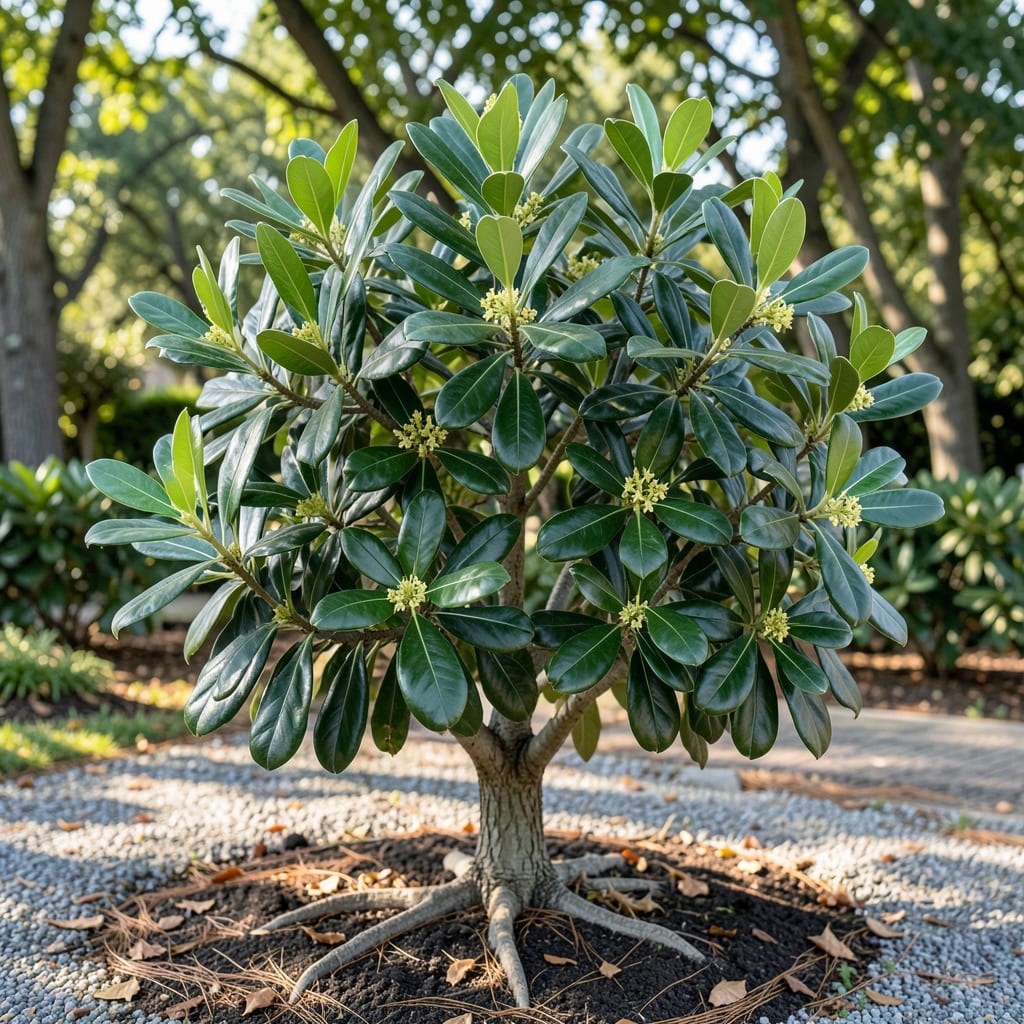
Curious how tall do bay leaf trees grow before you commit to planting one? You might be surprised to learn these fragrant 🌿 trees can stretch from tiny kitchen companions to towering backyard giants—sometimes reaching 30 feet or more! Whether you're dreaming of a lush privacy screen or a compact potted plant for your windowsill, understanding your bay tree's growth potential is the first step to planning your garden.
The secret lies in the variety you choose. Some bay trees, like the 'Tiny Tower', stay neatly under 8 feet, perfect for small spaces or containers, while others like the standard 'Angustifolia' can soar to 50 feet in ideal conditions. Even their growth speed varies—some grow just 2-4 feet in their first year, while others shoot up 10 feet within 3 years.
But here's the best part: you're not stuck with whatever nature deals you. With the right pruning techniques and growing conditions, you can shape your bay tree to fit your space—whether that means keeping it as a manageable shrub or letting it grow wild for a dramatic backyard statement. Let's break down what you need to know to predict and control your tree's height.
Ready to make an informed decision? I'll walk you through the key factors that influence bay tree height, from choosing the right cultivar to understanding how sunlight and soil play a role. By the end, you'll know exactly what to expect—and how to keep your bay tree at your desired size, no matter how much (or how little) space you have.


Bay tree height variations: from dwarf cultivars to towering giants
Bay leaf trees (Laurus nobilis) are famously versatile, but their mature height can vary wildly—from under 5 feet to towering 50 feet giants. The difference often comes down to the specific cultivar you choose. For example, the 'Tiny Tower' cultivar stays compact at 6-8 feet, while the standard 'Angustifolia' can reach 30-50 feet in ideal conditions. Even their growth rates differ, with some gaining 2-4 feet in their first year and others shooting up 10 feet by year three.
The key to predicting your bay tree's height lies in understanding these three main factors: variety selection, growing conditions, and pruning habits. I've grown bay trees in both containers and garden beds, and I can tell you firsthand that container size alone can limit a tree's height by 50% or more. Meanwhile, full-sun exposure and rich soil can push even dwarf varieties toward their upper height limits. Let's break down the most popular cultivars and what to expect from each.
🌱
| Variety | Mature Height | Growth Rate | Best For |
|---|---|---|---|
| 'Tiny Tower' | 6-8 ft | Slow (1-2 ft/year) | Containers, small gardens |
| 'Golden Bay' | 8-12 ft | Medium (2-3 ft/year) | Patios, hedges |
| 'Saratoga' | 15-20 ft | Fast (3-4 ft/year) | Privacy screens |
| 'Angustifolia' | 30-50 ft | Very fast (4-6 ft/year) | Large gardens, landscapes |
| 'Caucasica' | 10-15 ft | Medium (2-3 ft/year) | Cold climates, hedges |
The 'Tiny Tower' cultivar is my top recommendation for container growing, as it naturally stays under 8 feet even with minimal pruning. In contrast, the 'Angustifolia' variety grows so tall that it's best suited for large properties or as a privacy screen. I once saw a 40-foot bay tree in a Mediterranean garden, and it was absolutely stunning—but it required constant pruning to keep it from shading an entire patio.
Even within these ranges, your bay tree's height can shift based on growing conditions. For instance, a 'Golden Bay' in full sun might reach 12 feet, while the same variety in partial shade could stay under 8 feet. The same principle applies to soil quality—rich, well-draining soil encourages faster growth, while poor soil can stunt a tree's height by 30-40%. That's why I always recommend amending your soil with compost before planting.
🌿
If you're planning to grow a bay tree in a container, choose a cultivar labeled as dwarf or compact. Even then, you'll need to prune regularly to control height, as root-bound conditions can stress the plant and limit its growth potential. I've found that 15-gallon containers work well for 'Tiny Tower', while 30-gallon pots can accommodate 'Golden Bay' for several years before needing repotting.
For those with large garden spaces, the 'Saratoga' cultivar grows quickly enough to create a privacy screen in just 5 years. This variety is particularly popular in California and Mediterranean climates, where it thrives in full sun. However, even fast-growing varieties can be shaped with proper pruning techniques, which I'll cover in the next section. The key is to prune in late winter before new growth begins.
🪴
One common misconception is that all bay trees will eventually reach their maximum height potential. In reality, many gardeners keep their bay trees as multi-stemmed shrubs rather than allowing them to grow into single-trunk trees. This approach can reduce height by 50% or more while creating a fuller, bushier plant. I've seen 'Angustifolia' varieties maintained at 10-12 feet through regular pruning, making them suitable for medium-sized backyards.
When selecting a bay tree, consider not just its mature height, but also its growth rate and intended use. A slow-growing dwarf might be perfect for your kitchen windowsill, while a fast-growing variety could become your privacy screen in no time. The good news? With the right care, you can control your bay tree's height to fit your space perfectly.
How pruning and growing conditions control bay tree height
Want to keep your bay tree from becoming a backyard giant? The secret is in the pruning and growing conditions you provide. Unlike many trees, bay trees respond exceptionally well to pruning, allowing you to shape them into anything from a kitchen windowsill shrub to a well-managed privacy screen. I’ve pruned bay trees for years, and the difference between a neglected 15-foot monster and a neat 6-foot shrub comes down to timing and technique.
Pruning at the right time is critical. The best window is late winter (just before new growth begins) or early spring. This encourages fuller, bushier growth while keeping the tree at your desired height. Avoid heavy pruning in summer or fall, as this can stress the plant and lead to stunted growth or even dieback. I once pruned a 'Golden Bay' in July, and it took two full years to recover its vigor.
🌿
- 🪴 Step 1: Choose Your Tools
Use sharp, sterilized pruners (avoid dull tools that tear bark). For larger branches, a pruning saw works best. - 📅 Step 2: Prune in Late Winter
Trim 1/3 of the new growth to encourage bushiness. Avoid cutting into old wood—focus on new shoots. - ✂️ Step 3: Shape Gradually
Remove overlapping branches first, then thin out interior growth to improve airflow. This prevents disease and pests. - 💧 Step 4: Water After Pruning
Give your tree a deep watering to help it recover. Mulch around the base to retain moisture. - ☀️ Step 5: Monitor Sunlight
If pruning heavily, move the tree to bright indirect light (e.g., east-facing window) for 4-6 weeks to avoid sunburn.
Beyond pruning, growing conditions play a huge role in height control. Bay trees thrive in well-draining soil with partial shade to full sun. If you’re growing yours in a container, choose a pot that’s at least 15 gallons for dwarf varieties like 'Tiny Tower'. Smaller pots restrict root growth, which naturally limits height—but they also stress the plant over time. I’ve seen 'Golden Bay' trees in 10-gallon pots stay under 5 feet, but their leaves became smaller and less aromatic.
Sunlight is another game-changer. Bay trees in full sun grow 30-50% faster than those in shade. If you’re aiming for a compact tree, place it in partial shade (e.g., morning sun + afternoon shade). I once grew a 'Saratoga' in full sun, and it shot up 4 feet in a single season—far faster than expected! For container growers, east-facing windows provide the ideal balance of light without overheating.
🪴
One of my favorite tricks for controlling height is topping. This involves cutting the main stem just above a leaf node, which encourages multiple side branches to form. I’ve used this technique to turn a 10-foot 'Angustifolia' into a 6-foot shrub in just two pruning sessions. The key is to prune just above a leaf (never at a bare stem) and avoid cutting into old wood. This method works best on younger trees (under 5 years old), as mature wood is harder to regenerate.
Finally, don’t underestimate the power of soil quality. Bay trees prefer slightly acidic to neutral soil (pH 6.0-7.5) with good drainage. Amend heavy clay soil with compost or perlite to prevent root rot, which can stunt growth. I’ve seen bay trees in poor soil grow 50% slower than those in rich, well-amended beds. If you’re growing in a container, use a high-quality potting mix with perlite or sand to improve drainage.
🌱