
Trees
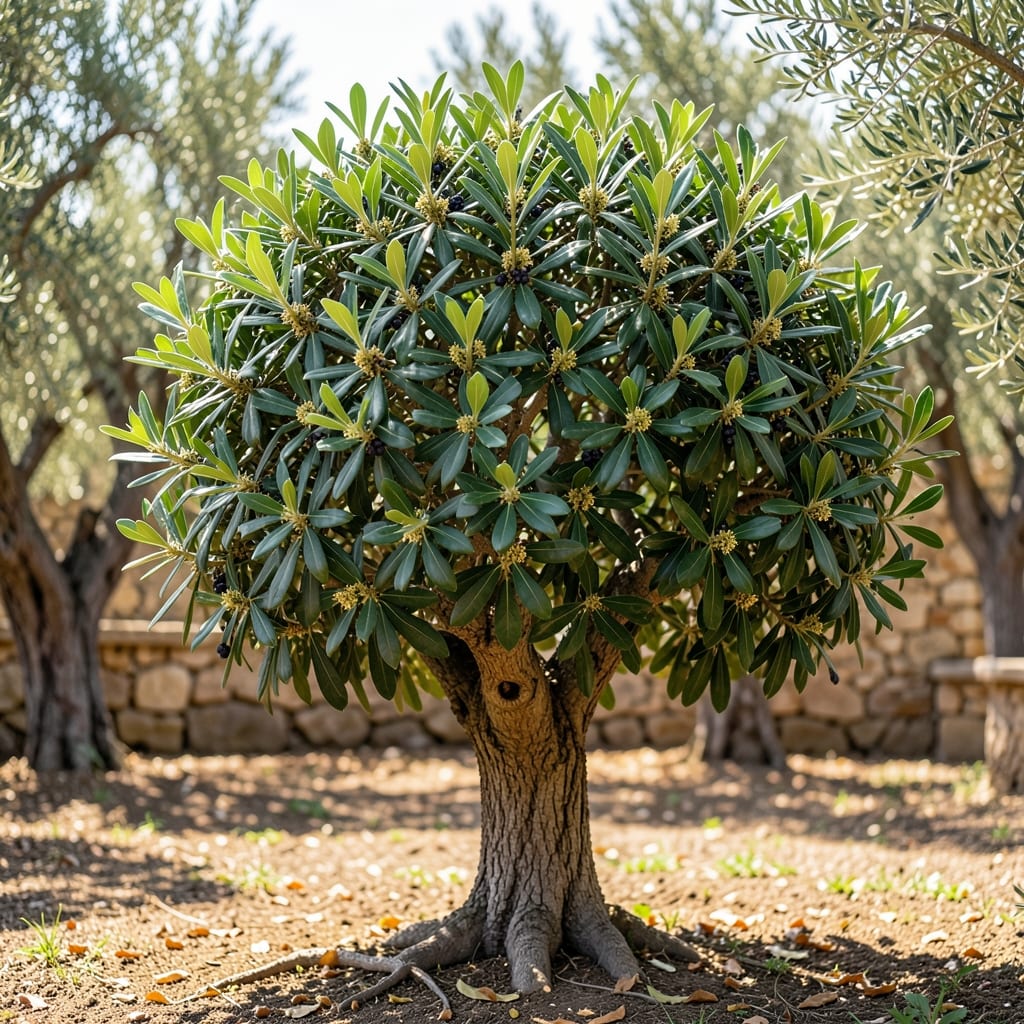
If you’ve ever dreamed of growing a bay tree 🌿 but worried it might outgrow your backyard, you’re not alone—how tall do bay trees grow is the first question most gardeners ask. These fragrant evergreens can reach towering heights of 15 to 50 feet in ideal conditions, but the good news? Compact varieties exist that stay perfectly manageable, even in small spaces.
The key to controlling a bay tree’s size lies in choosing the right variety and giving it the care it needs. Whether you’re planning a cozy kitchen garden or a container on your patio, understanding growth habits helps you avoid surprises. I’ll break down the differences between dwarf, semi-dwarf, and standard bay trees so you can pick the perfect fit for your space.
From pruning tips to soil secrets, I’ll show you how to keep your bay tree thriving without sacrificing its iconic aroma or health. Whether you’re a seasoned gardener or just starting out, these insights will help you grow a bay tree that’s as practical as it is beautiful.
Ready to add this versatile plant to your garden? Let’s dive into the details so you can enjoy fresh bay leaves year-round—no matter how big (or small) your space is.


Bay tree height guide: from dwarf varieties to towering giants
Bay trees are stunning additions to any garden, but their mature height can vary wildly depending on the variety. Standard bay trees (like the Sweet Bay) can soar to 15 to 50 feet, while dwarf varieties stay under 6 feet. Knowing these differences helps you choose the right tree for your space.
The California Bay and Tuscan Bay varieties also have distinct growth patterns. California Bay trees typically reach 20 to 30 feet, while Tuscan Bay trees can grow even taller, up to 50 feet. If you’re working with limited space, selecting a dwarf variety is your best bet for keeping things manageable.
Bay trees grow at a moderate pace, adding about 1 to 2 feet per year in ideal conditions. This means a standard bay tree could take 10 to 25 years to reach its full height. For quick results, consider a pre-pruned dwarf variety that stays compact from the start.
Here’s a quick comparison of how different bay tree varieties grow over time:
| Variety | Mature Height | Growth Rate | Ideal Spacing |
|---|---|---|---|
| Sweet Bay | 15–50 ft | 1–2 ft/year | 20+ ft from structures |
| California Bay | 20–30 ft | 1.5–2.5 ft/year | 15 ft from buildings |
| Tuscan Bay | 30–50 ft | 2–3 ft/year | 30+ ft from structures |
| Dwarf Varieties (e.g., 'Tiny Tower') | 4–6 ft | 6–12 in/year | 3–5 ft from borders |
When planting a bay tree, always consider its mature height and the space around it. A standard bay tree needs plenty of room to spread its branches, while a dwarf variety can thrive in containers or small garden beds. Always check the spacing recommendations for your chosen variety to avoid overcrowding.
Bay trees also benefit from regular pruning, which can slow their growth and keep them within desired limits. Pruning in late winter or early spring encourages bushier growth while controlling height. Just be sure to use sterilized tools to prevent disease spread.
If you’re growing bay trees in containers, choose a dwarf variety or expect to prune frequently. Container-grown bay trees may not reach their full height, but they’ll still produce fragrant leaves. Just ensure the pot has drainage holes and is large enough for the tree’s root system.
For those with small yards, a dwarf bay tree is an excellent choice. These varieties retain the tree’s signature aroma and flavor while staying manageable. Pair them with other compact plants like rosemary or thyme to create a fragrant herb garden that fits any space.
Bay trees are versatile, but their height can be a game-changer for your garden layout. By choosing the right variety and giving it proper care, you can enjoy this aromatic plant without sacrificing space or aesthetics.
Best space-saving bay tree varieties for small yards and containers
If you love the idea of growing a bay tree but lack space for a towering giant, don’t worry—there are compact varieties perfect for small yards and containers. These dwarf bay trees stay under 6 feet tall while still producing fragrant, flavorful leaves. Whether you’re growing them in pots or tucked into a corner of your garden, these varieties deliver all the benefits without the bulk.
The 'Tiny Tower' is one of the most popular space-saving options, reaching just 4 to 6 feet at maturity. It’s ideal for container gardening and thrives in well-draining soil with regular pruning to maintain its shape. Another great choice is the 'Swan Hill Dwarf', which stays under 5 feet and is perfect for herb gardens or as a fragrant hedge.
For those with slightly more space, the 'Compacta' variety grows to about 6 feet and is excellent for small patios or balcony gardens. These dwarf varieties grow slower than standard bay trees, adding only 6 to 12 inches per year, so they’re easier to manage without frequent pruning.
🌱 Compact Bay Tree Varieties: Pros and Cons
Pros
✅ Stays under 6 ft
✅ Great for containers
✅ Fragrant leaves
Cons
❌ Needs pruning to stay compact
❌ Slower growth rate
Pros
✅ Under 5 ft tall
✅ Ideal for small gardens
✅ Hardy and low-maintenance
Cons
❌ Limited availability
❌ Prefers warmer climates
Pros
✅ Grows to 6 ft
✅ Good for patios
✅ Fast-growing for a dwarf
Cons
❌ Needs occasional pruning
❌ Can outgrow small containers
When choosing a dwarf bay tree, consider your growing conditions. These varieties thrive in full sun to partial shade and prefer well-draining soil. If you’re growing them in containers, use a pot at least 12 inches wide with drainage holes to prevent root rot. A balanced fertilizer applied in spring and summer will keep your dwarf bay tree healthy and productive.
Pruning is key to maintaining the size of your dwarf bay tree. Trim back any overgrown branches in late winter or early spring to encourage bushier growth. Avoid heavy pruning in fall, as this can stress the plant before winter. With the right care, your dwarf bay tree will stay compact while still providing a steady supply of fragrant leaves for cooking and crafts.
For even more space efficiency, pair your dwarf bay tree with other compact herbs like rosemary, thyme, or oregano. This creates a fragrant, functional garden that fits seamlessly into small spaces. Whether you’re growing it in a pot on your balcony or tucked into a corner of your garden, a dwarf bay tree brings beauty and utility without taking over.