
Trees
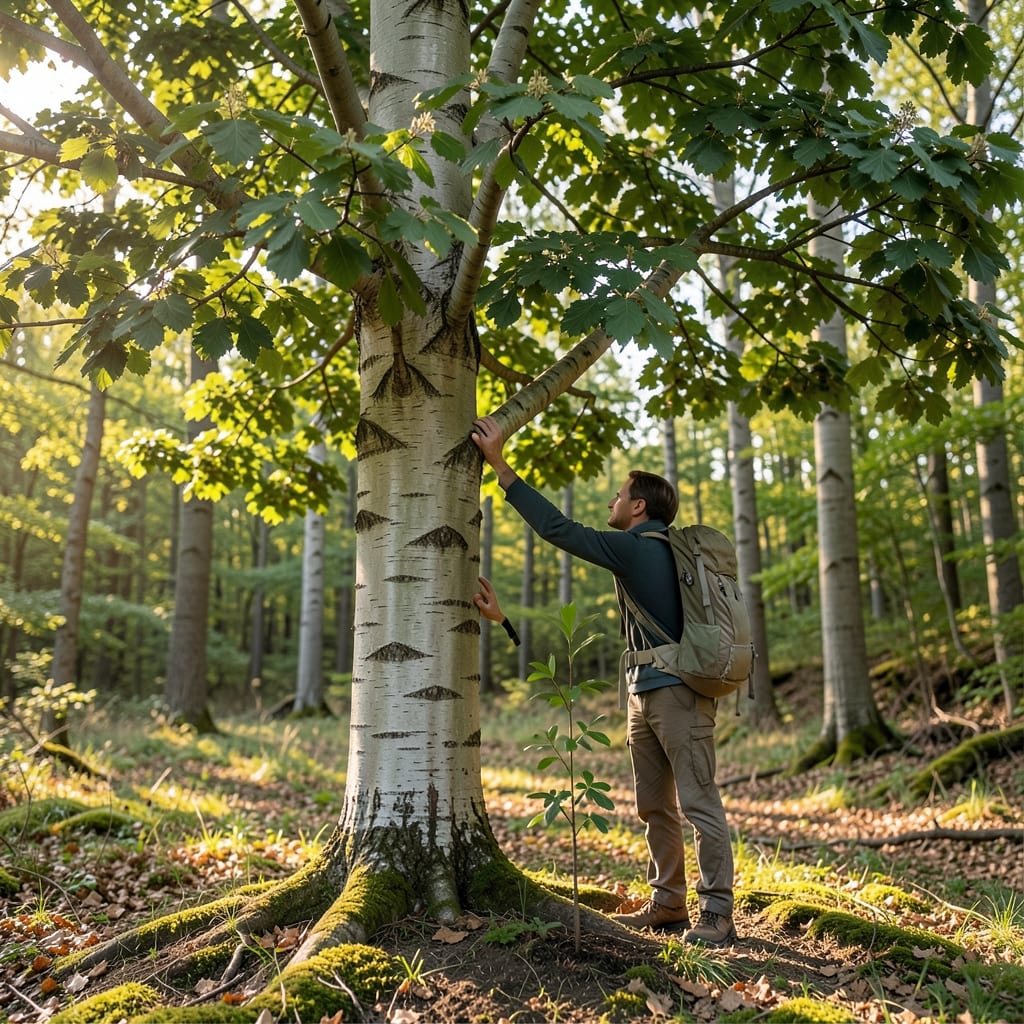
If you're dreaming of adding a stately 🌳 Beech Tree to your landscape, you're probably wondering just how tall these majestic trees can grow. The answer varies dramatically—from towering forest giants that reach 80 feet to carefully bred cultivars that stay neatly trimmed at just 10 feet.
This height diversity makes beech trees incredibly versatile, but choosing the right variety for your space requires understanding the key differences. Whether you're working with native species in USDA Zone 6a or cultivating a compact variety for your front yard, knowing these growth patterns is the first step to successful planting.
I'll break down exactly how tall different beech species become at maturity, which factors influence their growth, and how you can use this information to select the perfect tree for your garden. Let's explore the full range of possibilities so you can make an informed decision.
From the sprawling canopies of American beech to the neatly pruned forms of ornamental cultivars, each type offers something unique. You'll discover which varieties thrive in specific conditions and how proper spacing can prevent future headaches. Ready to find your ideal beech tree match?


Native beech tree height ranges by species: from forest giants to understory dwarfs
Native beech trees (genus Fagus) showcase some of the most dramatic height variations in the tree world. In their natural habitats, these species can range from towering 80-foot giants to smaller understory trees that barely reach 30 feet. The key difference often comes down to species, climate, and growing conditions.
Let's start with the American beech (Fagus grandifolia), the most common native species in the eastern U.S. This hardy tree typically matures between 60-80 feet tall, with some exceptional specimens exceeding 100 feet in ideal conditions. Their broad canopies make them standout features in forests and large landscapes.
The European beech (Fagus sylvatica) often grows slightly taller, reaching 70-100 feet in its native European range. However, in cooler climates like USDA Zone 6a, growth rates slow, often resulting in mature trees around 50-70 feet. This species demonstrates how climate significantly impacts height potential.
Now let's look at the Oriental beech (Fagus orientalis), which typically matures between 40-60 feet. This species often grows more slowly and develops a denser canopy, making it a popular choice for urban landscapes where space is limited. Its compact growth habit compared to American beech highlights how species adaptation affects height.
Here's where things get interesting: understory beech trees in dense forests often grow much shorter—sometimes as little as 20-30 feet. This occurs due to competition for sunlight, which forces trees to grow upward more slowly. In open spaces with full sun exposure, these same trees can reach their full height potential.
One critical factor influencing height is soil quality. Beech trees prefer well-drained, slightly acidic soil with rich organic matter. Poor soil conditions can stunt growth, resulting in trees that stay 20-30% shorter than their potential maximum height. Always test your soil before planting to ensure optimal growth conditions.
Climate also plays a significant role. In warmer southern climates, beech trees often grow faster and taller due to longer growing seasons. Meanwhile, in northern regions with shorter summers, growth rates slow, resulting in shorter mature heights. This regional variation is why some gardeners in Zone 6a see their beech trees mature at 50 feet while others in Zone 7 reach 70 feet.
Let's examine how these native species compare directly in terms of mature height and growth characteristics:
| Species | Mature Height (ft) | Growth Rate (ft/year) | Canopy Spread (ft) | Key Habitat |
|---|---|---|---|---|
| American Beech | 60-80 | 1-2 | 40-60 | Eastern U.S. forests |
| European Beech | 70-100 | 1.5-2.5 | 50-70 | European woodlands |
| Oriental Beech | 40-60 | 0.8-1.5 | 30-50 | Mountain forests |
| Understory Beech | 20-30 | 0.5-1 | 15-25 | Forest edges |
Note: Height variations occur based on growing conditions and regional climate differences.
Understanding these native height ranges helps you visualize how beech trees will develop in your specific environment. For example, if you're in Zone 6a with average soil conditions, an American beech will likely reach 60-70 feet at maturity, while a European beech might max out at 65 feet due to cooler temperatures.
When selecting native beech trees for your landscape, consider both the mature height and the canopy spread. A tree that grows 70 feet tall but only 30 feet wide will have a very different impact than one that's 60 feet tall with a 50-foot spread. This spread-to-height ratio is crucial for proper spacing in both small and large gardens.
For gardeners working with limited space, native beech trees might seem too large. However, many cultivars have been developed specifically to address this concern, offering height-controlled alternatives while maintaining the beautiful foliage and bark characteristics of native species. We'll explore these options in the next section.
Cultivar height variations: compact beech trees for small gardens and landscaping
If you love the look of beech trees but need a more manageable size, you're in luck! Cultivars like 'Cupreus' and 'Fastigiata' offer stunning foliage without the towering height. These carefully bred varieties can stay as short as 10 to 25 feet, making them perfect for urban yards, small gardens, or even large containers. Their compact growth habits let you enjoy the elegant leaves and peeling bark without sacrificing space.
What sets these cultivars apart is their controlled growth—unlike wild beech trees that reach 60 to 80 feet, these varieties grow at a fraction of the height while maintaining the same beauty. Whether you're looking for a narrow columnar shape or a low-growing shrub-like form, there's a cultivar that fits your vision. I'll highlight the most popular options and their ideal planting scenarios so you can choose with confidence.
🌱 Key Takeaway: Cultivars like 'Purpurea' (copper-colored leaves) or 'Rotundifolia' (rounder shape) are designed for smaller spaces but still deliver the classic beech tree aesthetic. Their slower growth rates also mean less maintenance over time, which is a win for busy gardeners.
| Cultivar | Mature Height | Growth Habit | Ideal Use |
|---|---|---|---|
| 'Fastigiata' | 20-30 ft | Narrow, columnar | Urban streets, small yards |
| 'Cupreus' | 15-25 ft | Bushy, rounded | Foundation planting |
| 'Rotundifolia' | 10-15 ft | Low, spreading | Container gardens, borders |
| 'Purpurea' | 20-30 ft | Upright, copper leaves | Specimen tree, focal point |
One of my favorite compact options is 'Fastigiata', which grows in a striking vertical column—perfect for narrow spaces or as a living privacy screen. Its height of 20 to 30 feet makes it ideal for suburban backyards where space is limited. Meanwhile, 'Rotundifolia' stays under 15 feet and spreads wide, creating a low, lush hedge that's perfect for borders or container planting.
When selecting a cultivar, consider your garden layout and sunlight exposure. Most compact beech trees thrive in full sun to partial shade, just like their taller counterparts. However, their controlled growth means you won’t need to worry about future pruning to manage height—just enjoy their natural form. For example, 'Cupreus' with its coppery leaves adds seasonal interest without overwhelming your landscape.
If you're unsure which cultivar to choose, start with 'Fastigiata' for a classic look or 'Rotundifolia' for a low-maintenance option. Both are hardy in USDA Zone 6a and beyond, making them reliable choices for most climates. With the right cultivar, you can enjoy the beauty of beech trees in any size garden—no towering giants required!