
Size
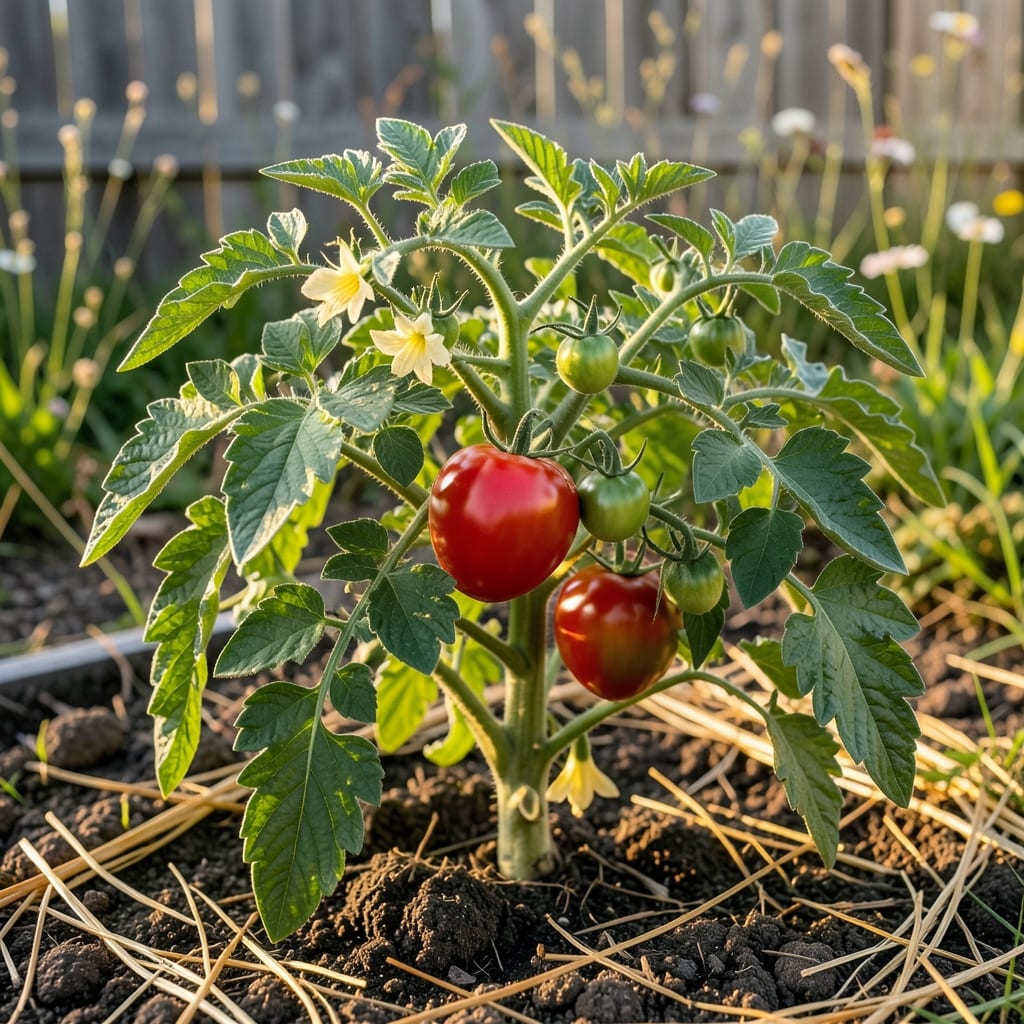
If you’ve ever wondered how tall beefsteak tomato plants grow, you’re not alone—these lush, 🍅-filled giants can climb higher than you might expect. While some varieties stay compact, classic beefsteaks like 'Brandywine' or 'Cherokee Purple' can stretch up to 6 feet or more, making them perfect for vertical gardens but tricky for small spaces.
Here’s the catch: most beefsteak tomatoes are indeterminate, meaning they keep growing until frost. Without proper support, their sprawling vines can become unruly, leading to tangled fruit or broken stems. That’s why knowing their mature height—and how to manage it—is the key to a bountiful harvest.
Whether you’re a first-time gardener or a seasoned pro, I’ll break down exactly how tall these varieties reach, plus space-saving hacks like trellising and pruning. You’ll learn how to keep your plants thriving without sacrificing that dreamy, 2-pound tomato you’ve been craving.
Let’s dive into the heights, growth habits, and tricks to turn your garden into a beefsteak tomato powerhouse—no matter how limited your space.


Beefsteak tomato height by variety: from compact to towering giants
Beefsteak tomatoes are legendary for their huge fruit size and rich flavor, but their height potential often surprises new gardeners. Most beefsteak varieties are indeterminate growers, meaning they don’t stop growing until frost—expect vines to climb 6 to 10 feet or more if left unchecked. The key difference? Some varieties stay more compact, while others become towering giants needing serious support.
Understanding these height variations helps you plan your garden layout, choose the right support structures, and avoid overcrowding. Whether you’re working with a small balcony or a large backyard, knowing your variety’s growth habit ensures you maximize space and yield without sacrificing plant health.
Below is a breakdown of popular beefsteak varieties and their mature heights, along with growth habits that impact how you’ll need to manage them. For example, ‘Brandywine’ can reach 8 feet if unpruned, while ‘Big Beef’ tops out around 5 to 6 feet—a better fit for smaller gardens.
Why height matters: Indeterminate varieties (like beefsteaks) produce fruit all season long, but their uncontrolled growth can lead to broken stems, disease spread, and poor air circulation. Pruning and support aren’t optional—they’re essential for keeping plants productive and manageable.
| Variety | Growth Habit | Mature Height | Notes |
|---|---|---|---|
| Brandywine | Indeterminate | 6–10 ft | Classic heirloom; needs strong trellis |
| Cherokee Purple | Indeterminate | td style="padding: 8px; border-bottom: 1px solid #4e8253;">6–8 ftDeep purple fruit; sturdy but sprawling | |
| Big Beef | Indeterminate | 5–6 ft | Hybrid; more compact than heirlooms |
| Pruden’s Purple | Indeterminate | 7–9 ft | Large fruit; needs aggressive pruning |
| Black Krim | Indeterminate | 5–7 ft | Disease-resistant; moderate height |
If you’re growing beefsteak tomatoes in containers, opt for dwarf or semi-dwarf varieties (like ‘Mountain Merit’, which tops out at 4–5 feet) or heavily prune indeterminate types. Even then, containers need to be at least 12–18 inches deep and 18–24 inches wide to accommodate root growth and support structures.
For ground planting, leave 18–24 inches of space between plants to allow for airflow and easy access. If you’re growing multiple beefsteak plants, consider vertical gardening techniques like trellises or espalier training to save space while keeping plants manageable. This also makes harvesting easier and reduces the risk of soil-borne diseases.
One common misconception is that taller plants always produce more fruit. While beefsteaks can grow 6–10 feet, their yield depends more on pruning and care than sheer height. Focus on removing suckers (the shoots that grow between the main stem and branches) and pruning lower leaves to improve airflow. This redirects energy to fruit production rather than excessive vine growth.
For urban gardeners or those with limited space, ‘Big Beef’ or ‘Mountain Merit’ are excellent choices—they offer beefsteak-sized fruit without the 10-foot vines of heirloom varieties. Pair them with compact support cages (4–5 feet tall) to keep growth in check while still enjoying abundant harvests.
Pro tip: If you’re growing beefsteaks in greenhouses or high tunnels, their vines can easily exceed 10 feet. In these cases, use stronger trellis systems (like metal cages or wooden arbors) and prune aggressively to maintain plant health and fruit quality.
Space-saving techniques for growing tall beefsteak tomatoes
Growing beefsteak tomatoes doesn’t require a sprawling backyard—with the right space-saving techniques, you can cultivate these giants in even the tightest spots. Since most beefsteak varieties grow 5–10 feet tall, the secret lies in vertical training and pruning strategies that keep vines manageable while maximizing yield. Whether you’re working with a balcony container or a small raised bed, these methods ensure your plants thrive without dominating your space.
One of the most effective ways to control height is through pruning. By removing suckers (the small shoots that grow between the main stem and branches) and lower leaves, you encourage the plant to focus energy on fruit production rather than excessive vine growth. This not only keeps the plant 4–6 feet tall but also improves air circulation, reducing the risk of disease. Aim to prune suckers weekly once the plant reaches 18–24 inches tall.
For container gardening, choose compact varieties like ‘Big Beef’ or ‘Mountain Merit’, which top out at 5–6 feet. Pair them with a 5-foot-tall tomato cage or a trellis system to support their weight. If growing in pots, ensure the container is at least 18 inches wide and deep to accommodate root growth and a sturdy support structure. Place containers in a south-facing spot to maximize sunlight exposure, which is critical for preventing leggy growth.
- 1. Trellising: Use strong stakes or cages (6+ feet tall) to guide vines upward. Train main stems along the support and prune side shoots to maintain a single central leader.
- 2. Pruning: Remove suckers (shoots between stem and branches) weekly. Prune lower leaves to improve airflow and reduce disease risk.
- 3. Espalier Training: Train vines along a horizontal trellis or fence to save space. Ideal for small gardens or vertical walls.
- 4. Container Hacks: Use self-watering pots with built-in trellises. Limit to 1 plant per container to avoid overcrowding.
- 5. Companion Planting: Pair with bush beans or lettuce to utilize space efficiently. Avoid planting near corn or fennel, which compete for nutrients.
If you’re growing beefsteak tomatoes in ground beds, use espalier training to spread vines along a trellis or fence rather than letting them sprawl. This technique works especially well in small gardens or along fences and pergolas, turning vertical space into a productive growing area. For larger gardens, create a multi-tiered trellis system to grow multiple plants in the same footprint, maximizing yield without sacrificing space.
Another often-overlooked trick is topping, where you pinch off the top few inches of the main stem in late summer. This signals the plant to redirect energy to ripening existing fruit rather than producing new growth. Topping is especially useful for late-season plants or those in cooler climates where vines might otherwise keep growing into fall.
For urban gardeners or those with limited space, consider dwarf beefsteak varieties like ‘Mountain Merit’ or ‘Sungold’ (though the latter is cherry-sized). These stay under 4 feet tall and produce beefsteak-sized fruit with minimal pruning. Pair them with compact cages or small trellises to keep growth in check while still enjoying abundant harvests.
Remember, the goal isn’t just to control height but to optimize growth. By combining pruning, vertical supports, and smart variety selection, you can grow beefsteak tomatoes in even the smallest spaces—without sacrificing flavor or yield. With these techniques, your garden can be a high-yielding, space-efficient beefsteak tomato powerhouse. 🌱