
Vegetables
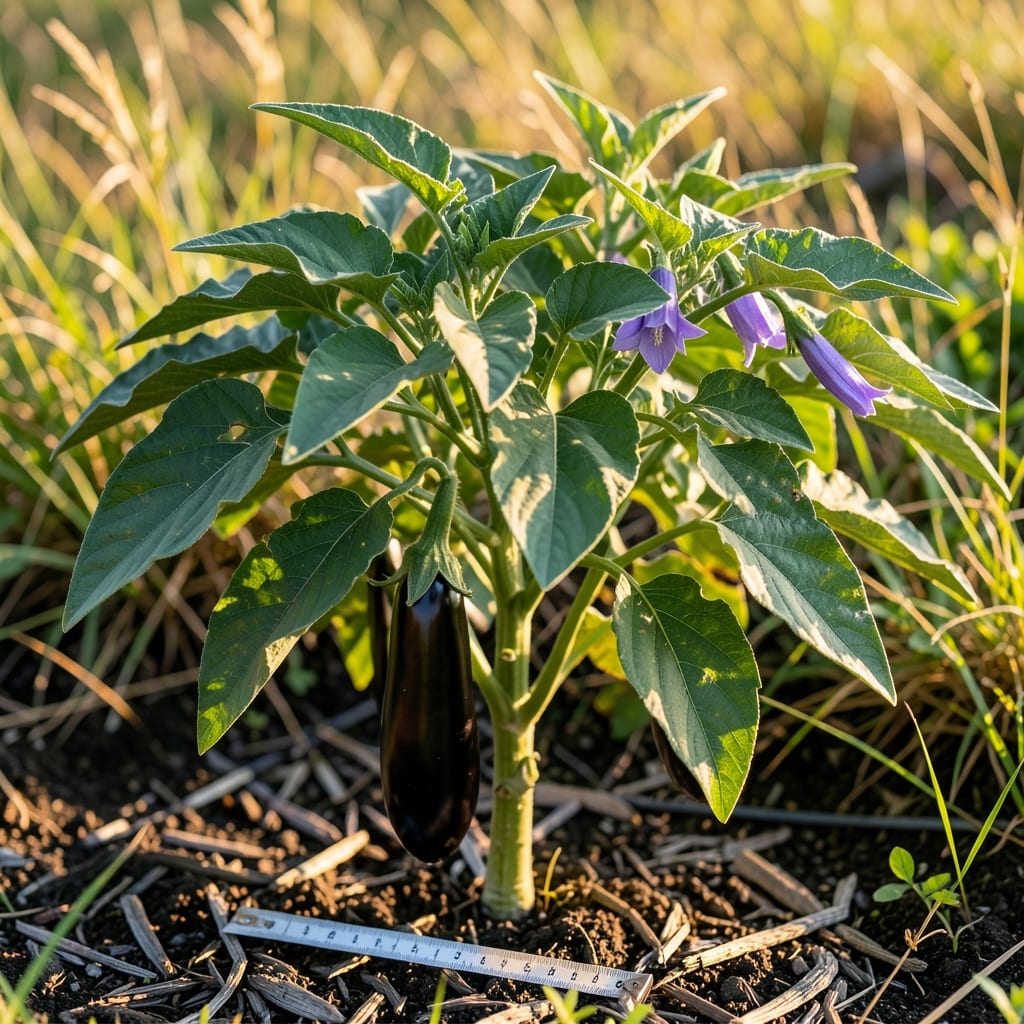
If you're wondering "how tall do Black Beauty eggplants grow", the answer might surprise you—these popular varieties can reach 4 to 6 feet in ideal conditions, but with the right pruning techniques, you can keep them compact and manageable for even small gardens.
That towering height isn't just for show—it actually supports the plant's heavy fruit production, but it also means you'll need to plan your garden layout carefully. Whether you're working with a spacious backyard or limited container space, understanding how to control their growth is the key to a successful harvest.
In this guide, I'll break down everything you need to know about Black Beauty eggplant height, from their natural growth patterns to practical pruning strategies that can reduce their stature by nearly half. You'll discover how spacing, sunlight, and even your planting method can influence their final size.
By the end, you'll have all the tools to create an eggplant patch that fits your space perfectly—whether you're aiming for tall, productive plants or prefer keeping them neatly contained. Let's get growing!

Black Beauty eggplant height: natural growth vs. pruned compact variants
Black Beauty eggplants are famous for their bold purple-black fruit and hearty growth, but their mature height often surprises new gardeners. Without pruning, these plants typically reach 4 to 6 feet tall, with some vigorous specimens even exceeding 6 feet in ideal conditions. Their height isn't just for show—it supports the weight of their heavy fruit and encourages strong branching for higher yields.
The plant's natural growth habit includes a single main stem that produces lateral branches where the fruit develops. Each branch can grow 2 to 3 feet long, creating a bushy, sprawling appearance if left unchecked. In open garden beds, these plants can spread 2 to 3 feet wide as well, making them a substantial presence in your vegetable patch.
Here’s where pruning comes into play. When you prune Black Beauty eggplants strategically, you can reduce their mature height to 2 to 3 feet while still maintaining excellent fruit production. This compact growth is ideal for container gardening, small urban spaces, or even patio gardens. The key is to focus on topping the main stem and managing lateral branches to encourage bushier, shorter growth.
Pruning also improves air circulation around the plant, reducing the risk of fungal diseases like powdery mildew or blight, which are common in dense, unpruned eggplant foliage. Additionally, compact plants are easier to harvest and maintain, making them a practical choice for gardeners with limited space or mobility challenges.
Now, let’s compare the two growth approaches—natural vs. pruned—so you can decide which method works best for your garden layout and goals.
The spacing requirements vary significantly between the two methods. For unpruned plants, I recommend spacing them 18 to 24 inches apart in rows that are 2 to 3 feet apart. This gives them room to spread and reduces competition for nutrients and sunlight. In contrast, pruned plants can be spaced 12 to 18 inches apart, making them perfect for container gardening or densely planted raised beds.
If you're growing Black Beauty eggplants in containers, choose pots that are at least 12 inches wide and deep to accommodate their root system. For pruned plants, a 5-gallon container is often sufficient, while unpruned plants may need 7-gallon or larger containers to support their height and fruit load. Always ensure containers have drainage holes to prevent root rot.
Another factor to consider is your garden layout. If you're planting Black Beauty eggplants near other vegetables, avoid placing them next to competitive plants like tomatoes or peppers, which can steal nutrients and sunlight. Instead, pair them with companion plants like basil or marigolds, which can improve flavor and deter pests.
For gardeners in cooler climates, it’s worth noting that Black Beauty eggplants thrive in USDA Zones 6–11 and require warm soil temperatures (at least 70°F) to germinate successfully. If you're planting in early spring, consider using black plastic mulch to warm the soil and extend the growing season.
Finally, remember that pruning doesn’t reduce yield—it simply redistributes the plant’s energy to produce fewer but larger, higher-quality fruit. With the right techniques, you can enjoy a bountiful harvest even in the smallest of spaces!
Step-by-step pruning guide for controlling Black Beauty eggplant height
Pruning is the secret weapon for keeping your Black Beauty eggplants at a manageable 2 to 3 feet while boosting fruit production. The key is to top the main stem early in the season and then focus on managing lateral branches. This technique encourages the plant to grow bushier and shorter, making it perfect for containers, small gardens, or even balcony setups.
Start pruning when your plants reach 12 to 18 inches tall, typically 4 to 6 weeks after transplanting. Use clean, sharp pruning shears or your fingers to pinch off the top set of leaves just above a leaf node. This signals the plant to branch out instead of growing taller. Repeat this process every 2 to 3 weeks to maintain the desired height.
Here’s a simple step-by-step