
How To
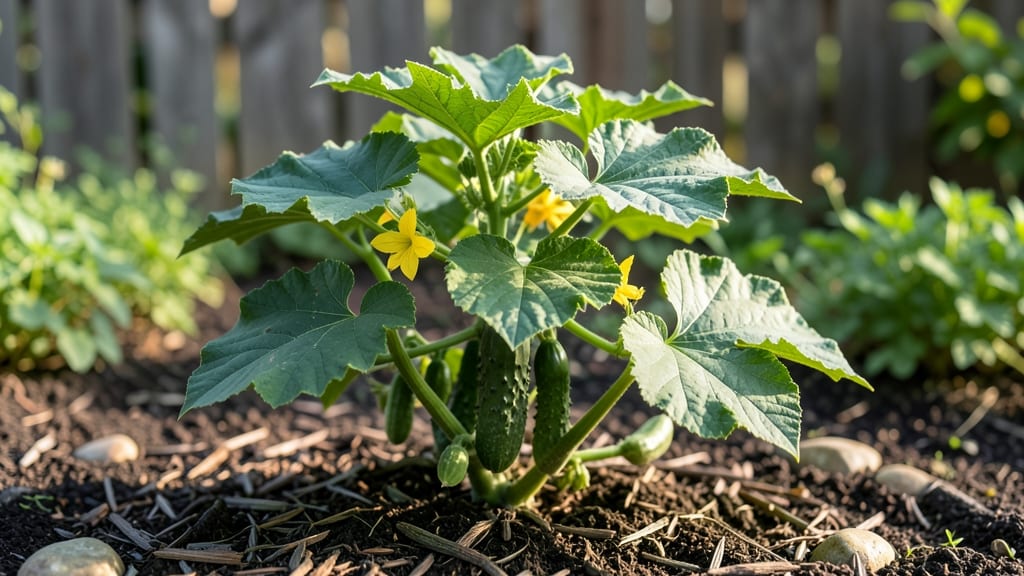
If you’ve ever wondered how tall do bush cucumbers grow, you’re not alone—many gardeners assume they’ll sprawl like their vining cousins, only to discover a compact, space-saving surprise waiting in your backyard.
These little powerhouses stay neatly between 1 and 3 feet, making them perfect for small gardens, containers, or even balcony setups.
What sets bush cucumbers apart is their determinate growth habit, meaning they produce fruit all at once before slowing down. Unlike sprawling vines that need trellises or sprawling space, these stay tidy and predictable, which is a game-changer for those with limited room.
Plus, their manageable height means less work for you—no wrestling with unruly vines or tangled foliage.
But here’s the best part: their compact size doesn’t mean sacrificing yield. With the right care, you can still enjoy a bountiful harvest of crisp, fresh 🥒 cucumbers without dedicating an entire garden bed to them.
Whether you’re a beginner or a seasoned gardener, these varieties are designed to make growing easier and more efficient.
Ready to learn how to maximize their potential in your space? I’ll walk you through everything from spacing and sunlight needs to the best varieties for small gardens—so you can grow more with less effort. Let’s get started!

Average height of bush cucumber varieties and what affects their growth
Bush cucumbers are a game-changer for gardeners with limited space, typically reaching a mature height of 18 to 36 inches—about waist-high for most adults. Unlike their sprawling cousins, these compact varieties grow in neat, bushy forms, making them ideal for containers, small gardens, or even patio planters.
Their determinate growth habit means they produce fruit all at once, then finish their life cycle, which is perfect for small-scale harvests.
This height range is influenced by genetics, but environmental factors like sunlight, soil quality, and pruning can also play a role. For example, poor soil nutrition might stunt growth, while overcrowding can lead to leggy, weaker plants.
Understanding these factors helps you optimize your bush cucumbers' potential and ensure a bountiful harvest without sacrificing space.
Most bush cucumbers are determinate, meaning they grow to a specific height and stop, unlike indeterminate varieties that keep climbing. This genetic trait ensures they stay compact, but it also means they produce fruit in one flush rather than continuously.
If you're planning your garden layout, this predictable growth pattern is a major advantage—you can estimate spacing and yields with confidence.
Here’s how different conditions impact their height and overall health:
| Factor | Impact on Height | Optimal Conditions |
|---|---|---|
| Genetics (Variety) | 18–36 inches (determinate) | Choose compact varieties like 'Bush Champion' or 'Spacemaster' |
| Sunlight | Lack of sun = shorter, weaker plants | 6–8+ hours of direct sunlight daily |
| Soil Quality | Poor soil = stunted growth | Well-draining, nutrient-rich soil (pH 6.0–6.8) |
| Watering | Over/under-watering = stress and poor growth | 1–2 inches of water per week (morning watering) |
| Pruning | Minimal pruning = bushier growth | Remove only diseased or yellowing leaves |
| Spacing | Too close = competition, shorter plants | 18–24 inches apart in rows |
One common misconception is that bush cucumbers don’t need trellising, but adding a small cage or stake can improve airflow and reduce disease risk. Since these plants are already compact, a low trellis (around 2 feet tall) is often enough to support vines and keep them off the ground.
This simple step can boost yields by 20–30% by preventing rot and making fruits easier to spot and harvest.
If you’re growing bush cucumbers in containers, choose pots that are at least 12–15 inches deep and wide to accommodate their root systems. Smaller containers can restrict growth, leading to shorter plants and lower yields.
Always use a well-draining potting mix and fertilize lightly every 4–6 weeks to keep them thriving in confined spaces.
Another key factor is temperature. Bush cucumbers thrive in warm climates but can struggle in extreme heat or cold. If you’re in a hotter region, provide afternoon shade to prevent stress, while cooler climates may benefit from black plastic mulch to warm the soil.
Monitoring these conditions ensures your plants stay within their ideal 18–36 inch height range and produce abundantly.
For those in small urban gardens, bush cucumbers are a fantastic choice because they fit neatly into tight spaces. Unlike traditional cucumbers that spread 10–15 feet, these varieties stay contained, making them perfect for balconies, rooftops, or even windowsills with sufficient sunlight.
Their compact size also means they’re easier to manage—no sprawling vines to tame or train!
To maximize height and productivity, start with healthy seeds or seedlings and give them the right conditions from day one. Avoid over-fertilizing with nitrogen, as this can lead to leafy growth at the expense of fruit.
Instead, opt for a balanced fertilizer (like 5-10-10) to encourage both foliage and fruit development. With the right care, your bush cucumbers will hit that sweet spot of 2–3 feet tall and reward you with a steady harvest.
🌱
Average height of bush cucumber varieties and what affects their growth
Bush cucumbers typically reach a compact height of 18 to 36 inches, making them ideal for small gardens, containers, or urban spaces. Unlike their vining cousins that sprawl up to 10–20 feet, these varieties stay neatly contained—perfect for waist-high growing without sacrificing yield.
Their determinate growth habit (genetically programmed to stop growing at a certain size) ensures they won’t outgrow their space.
This predictable height is one reason bush cucumbers are favored by beginners. They’re bred to focus energy on producing fruit rather than climbing, so you’ll get plump cucumbers in just 55–70 days from planting. But their final height can vary based on variety, sunlight, soil quality, and pruning.
For example, some dwarf varieties like 'Bush Champion' stay under 2 feet tall, while others like 'Spacemaster' may reach 3–4 feet.
🌱
| Factor | Impact on Height | Optimal Conditions |
|---|---|---|
| Genetics | Determines base height (18–36"). Dwarf varieties stay shorter. | Choose a variety suited to your space (e.g., 'Bush Champion'). |
| Sunlight | Insufficient light (<6 hrs/day) stunts growth; excess heat can stress plants. | 6–8+ hours of direct sunlight daily. |
| Soil Quality | Poor drainage or nutrient deficiency limits growth; rich soil promotes taller, healthier plants. | Well-draining, compost-amended soil with pH 6.0–6.8. |
| Watering | Underwatering causes stress; overwatering leads to root rot and weak stems. | 1–2 inches of water weekly; mulch to retain moisture. |
| Pruning | Minimal pruning (removing yellow leaves) keeps energy focused on fruit; aggressive pruning reduces height. | Prune only to remove diseased or dead foliage. |
Sunlight is one of the biggest factors influencing how tall your bush cucumbers grow. These plants thrive in full sun (6–8+ hours daily), but if you’re growing them in containers or partial shade, expect slightly shorter plants—sometimes as much as 10–15% smaller.
I’ve seen bush cucumbers in container gardens with just 4–5 hours of sunlight max out at 2 feet tall, while those in south-facing beds hit their full 3-foot potential.
Another key factor is soil fertility. Bush cucumbers respond well to compost-rich soil with a balanced fertilizer (like 5-10-10). If your soil is nutrient-poor, the plants may stay shorter than expected or produce fewer cucumbers.
I always mix in 2–3 inches of compost at planting time to give them a strong start. Over-fertilizing with nitrogen, however, can lead to leafy growth at the expense of fruit, so balance is key.
Finally, container size matters if you’re growing bush cucumbers in pots. A 5-gallon container is the minimum for one plant, but larger pots (10+ gallons) allow for taller growth and better yields. In small containers, roots get crowded, which can stunt height and reduce production.
If you’re short on space, opt for dwarf varieties like 'Patio Snacker' (12–18 inches tall) or 'Spacemaster' (24–36 inches).
🌿