
How To
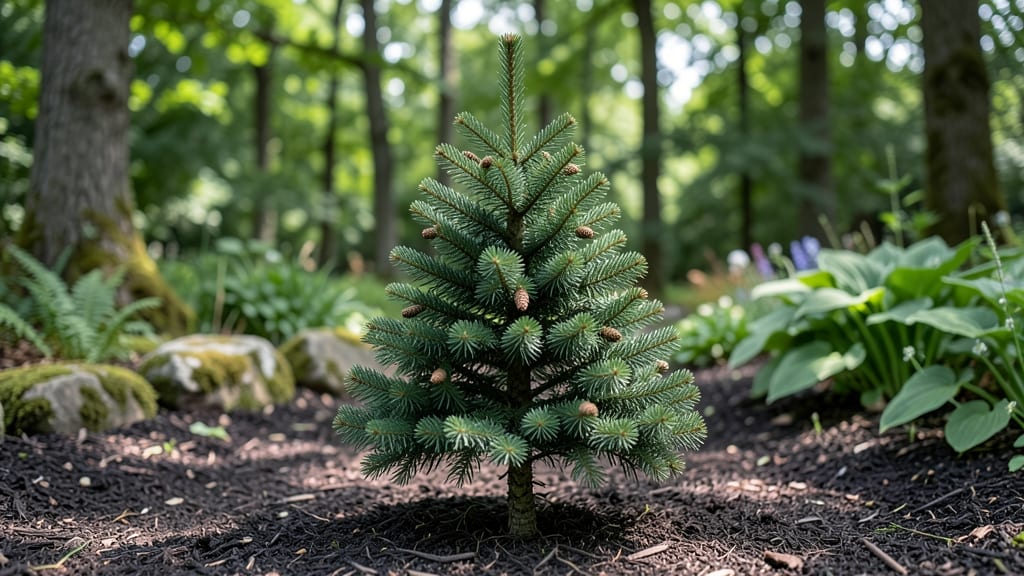
If you're wondering how tall do dwarf Alberta spruce grow, you're not alone—this tiny but mighty evergreen packs a big visual punch without taking up much space.
The Dwarf Alberta Spruce 🌲 stays compact, typically reaching 4-6 feet at maturity, making it perfect for small gardens, containers, or even as a bonsai specimen.
What makes this plant so special is its slow, steady growth—most of that height happens over decades, not years. By age 10, it’s usually just 2-3 feet, giving you plenty of time to plan your landscape without rushing.
Whether you're adding it to a rock garden or using it as a striking focal point, its predictable size means fewer surprises.
Beyond its manageable height, this spruce thrives in USDA Zone 6a and beyond, handling cold winters with ease. The key to keeping it looking its best? A little spacing—plant it 3-5 feet from other plants to avoid competition—and minimal pruning to maintain its iconic conical shape.
Ready to add this low-maintenance beauty to your outdoor space? Let’s break down exactly what to expect from its growth habits, spacing needs, and how to keep it thriving for years to come.

Dwarf Alberta Spruce height by age: growth chart for landscaping planning
The Dwarf Alberta Spruce (Picea glauca 'Conica') is one of the most beloved miniature evergreens in landscaping, prized for its slow, steady growth and compact form.
Unlike its towering relatives, this cultivar stays small—typically reaching 4 to 6 feet tall at maturity—but understanding its year-by-year progression helps you plan your garden layout perfectly.
Whether you're using it as a focal point, border accent, or bonsai candidate, knowing how fast it grows ensures you avoid overcrowding or underutilizing space.
One of the Dwarf Alberta Spruce’s most appealing traits is its predictable growth rate. In its first 10 years, it gains height and width steadily, but after 20 years, growth slows dramatically.
By age 30, most specimens reach their maximum height of 5 to 6 feet, though some may plateau earlier. This makes it ideal for small gardens, container growing, or rock gardens where space is limited.
To visualize its growth, here’s a year-by-year breakdown of what to expect, along with key milestones for planning your landscape:
| Age (Years) | Height Range (Feet) | Width Range (Feet) | Growth Notes |
|---|---|---|---|
| 1-3 | 1-2 ft | 1-1.5 ft | Rapid early growth; ideal for container planting. |
| 4-6 | 2-3 ft | 1.5-2 ft | Growth slows; transplant if needed. |
| 7-10 | 3-4 ft | 2-3 ft | Approaches mature height; prune to shape. |
| 11-20 | 4-5 ft | 3-4 ft | Growth plateaus; minimal height increase. |
| 21-30+ | 5-6 ft | 4-5 ft | Mature size reached; focus on maintenance. |
For landscape planning, consider that a mature Dwarf Alberta Spruce will occupy about 3 to 4 feet of space in diameter, making it perfect for small gardens, patios, or as a centerpiece in a mixed border.
Its slow growth means you won’t need to replant for decades, but its compact size also means it won’t outgrow its space quickly. If you’re using multiple trees, space them 3 to 5 feet apart to allow for airflow and prevent overcrowding.
Another key consideration is how the Dwarf Alberta Spruce’s growth habit changes over time. In its juvenile stage (years 1-5), it grows upright and dense, while in maturity (after 10 years), it develops a broader, more rounded canopy.
This shift is why many gardeners prune lightly in early years to encourage a fuller shape and prevent legginess.
If you’re growing Dwarf Alberta Spruce in containers, expect slightly slower growth due to root restriction. A 15-gallon pot can comfortably house a 5-year-old tree, while a 7-gallon pot works for younger specimens.
Container-grown trees are also easier to move or overwinter indoors if you live in a colder climate (USDA zones 3-7).
One common misconception is that all dwarf conifers grow at the same rate. While the Dwarf Alberta Spruce is slow-growing, some varieties like the Dwarf Blue Star Juniper or Dwarf Mugo Pine may mature faster or reach slightly different heights.
Always check the specific cultivar’s growth chart before planting to avoid surprises.
For bonsai enthusiasts, the Dwarf Alberta Spruce is a fantastic choice due to its small size and adaptability. With regular pruning and root restriction, you can keep it under 3 feet tall for decades.
However, this requires more frequent maintenance than letting it grow naturally in the ground.
To maximize your Dwarf Alberta Spruce’s potential, plant it in well-draining soil with full sun to partial shade. Avoid waterlogged areas, as this can lead to root rot and stunt growth.
With the right conditions, your tree will thrive for decades, becoming a stunning, low-maintenance focal point in your garden.
Optimal spacing and planting tips to maximize growth potential
When planting your Dwarf Alberta Spruce, proper spacing is key to ensuring it reaches its full 4-6 foot mature height without crowding. Give your tree at least 3-5 feet of space from other plants or structures to allow airflow and prevent root competition.
This spacing also makes future maintenance, like pruning, much easier.
For best results, plant your Dwarf Alberta Spruce in well-draining soil with a slightly acidic to neutral pH (6.0-7.0). Amend heavy clay soil with compost or sand to improve drainage—this helps prevent root rot, which can stunt growth.
A slightly elevated planting bed can also help if your area has poor drainage.
Pros of Proper Spacing
Cons of Poor Spacing
Place your Dwarf Alberta Spruce in full sun to partial shade (6+ hours of sunlight daily). While it tolerates partial shade, full sun exposure helps it reach its maximum height potential of 5-6 feet.
In shadier spots, growth may slow, and the tree might stay closer to the 3-4 foot range.
Pruning isn't usually necessary for this slow-growing conifer, but you can lightly shape it in early spring if needed. Avoid heavy pruning, as it can damage the tree's natural compact form. Instead, focus on removing only dead or overgrown branches to maintain its ornamental appeal.
Water your Dwarf Alberta Spruce deeply once a week during its first year to establish strong roots. After that, it becomes drought-tolerant and only needs watering during prolonged dry spells. Mulching around the base helps retain moisture and keeps roots cool—just avoid piling mulch directly against the trunk.
🌲