
How To
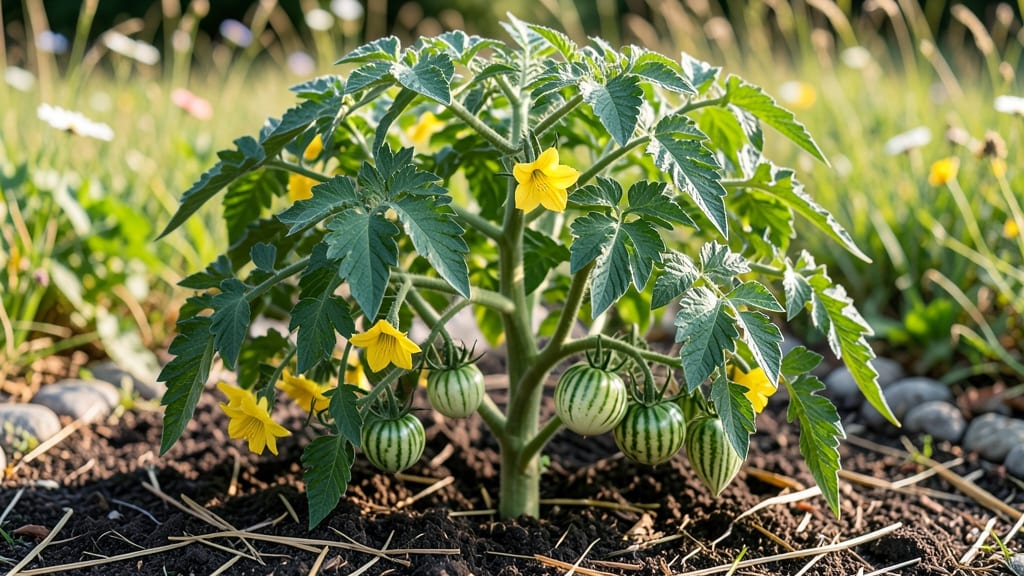
Wondering how tall do Green Zebra tomatoes grow and whether to go big with a 6-foot trellis or stick with a compact cage? These striped beauties 🍅 can climb 4-6 feet tall when given proper support, but their final height depends on how you train them.
If you're growing them in a traditional bush format, expect 3-4 feet of vertical space—perfect for containers or small gardens. But when trellised or caged, these indeterminate varieties will happily stretch toward the sky, sometimes reaching 6 feet or more by harvest time.
Here’s the game-changer: pruning and trellising aren’t just about height—they’re about yield and fruit quality. A well-supported plant produces more tomatoes while staying healthier and easier to manage. I’ll show you exactly how to balance growth and space for your garden setup.
Whether you’re working with limited space or dreaming of a towering tomato vine, understanding these height ranges helps you plan ahead. Let’s break down the best support systems for your Green Zebra tomatoes this season.

Green Zebra tomato height by growth method: bush vs cage vs trellis comparison
If you're growing Green Zebra tomatoes, their height can vary dramatically depending on how you cultivate them. As an indeterminate variety, these plants keep growing until frost—so your support system makes all the difference.
Without proper support, they'll sprawl 3-4 feet wide, but with the right trellis or cage, they can reach 6 feet or taller vertically. Let's break down the height expectations by cultivation method.
The Green Zebra tomato is famous for its striking striped fruit and tangy flavor, but its growth habit often surprises new gardeners. Unlike determinate tomatoes that stay compact, these plants climb indefinitely.
That means your choice of support structure directly impacts their height—and your harvest's success. Let’s explore the three most common cultivation methods and their height outcomes.
| Growth Method | Typical Height Range | Space Requirements | Pruning Needs | Best For |
|---|---|---|---|---|
| Bush (No Support) | 3–4 ft tall, 3–5 ft wide | 12–18 sq ft per plant | Minimal (let sprawl naturally) | Small gardens, containers |
| Cage (5–6 ft) | 4–6 ft tall, 2–3 ft wide | 6–10 sq ft per plant | Moderate (prune suckers weekly) | Balconies, raised beds |
| Trellis (6–8+ ft) | 6–10+ ft tall, 1–2 ft wide | 3–5 sq ft per plant | Heavy (prune aggressively) | Vertical gardens, small spaces |
When growing Green Zebra tomatoes in a bush method, you’ll sacrifice height but gain ease of care. These plants spread horizontally, making them ideal for container gardening or small plots.
However, the trade-off is lower yields and harder-to-reach fruit. If you’re short on space, a 5-foot cage is a happy medium—it encourages vertical growth while keeping maintenance manageable.
For maximum height and yield, a trellis system is your best bet. With proper pruning techniques, your Green Zebra tomatoes can climb 8 feet or more, especially in warm climates.
This method is perfect for small-space gardens or urban balconies, where vertical growth saves precious real estate. Just be prepared to prune regularly to prevent overcrowding and disease.
One common mistake is assuming a 6-foot cage will suffice for a Green Zebra tomato that’s already reaching for the sky. If your plant outgrows its support, the weight of the fruit load can snap stems or topple the cage.
Always plan for at least 8 feet of vertical space if you want to maximize growth and harvest. I’ve seen my own plants hit 10 feet in a single season with the right care!
Pruning plays a huge role in controlling height. By removing suckers (the small shoots between the stem and branches), you encourage the plant to grow taller and produce more fruit clusters. Aim to prune once a week during the growing season.
For container-grown plants, you might need to prune more aggressively to keep them under 4 feet and prevent them from toppling over.
If you’re growing Green Zebra tomatoes in containers, choose a large pot (at least 5 gallons) to support their root system. Even with pruning, these plants can get top-heavy when laden with fruit.
Use a sturdy trellis or tomato tower to provide stability. I’ve had success with fabric cages that expand as the plant grows, but they require more frequent pruning to prevent tangling.
For those in cooler climates (USDA Zones 1-5), expect slightly shorter plants—4-5 feet—due to shorter growing seasons. In warmer zones (Zones 6-10), your Green Zebra tomatoes may reach 8 feet or taller if given ample sunlight and water.
Always monitor your plant’s growth and adjust your support system as needed to avoid stress or damage.
Remember, the height of your Green Zebra tomato isn’t set in stone—it’s a result of your care. With the right support structure, pruning routine, and growing conditions, you can coax your plant to reach its full potential.
Whether you prefer a compact bush or a towering trellis, the key is to start with the right setup and adjust as your plant grows.
Green Zebra tomato height by growth method: bush vs cage vs trellis comparison
Green Zebra tomatoes are indeterminate varieties, meaning they don't stop growing until frost kills them. Without support, these plants can reach 6 to 8 feet tall, but proper cultivation methods dramatically influence their height and yield.
Let's break down how different growth methods affect their mature size and space requirements.
If you're growing Green Zebra tomatoes in containers, expect 3 to 5 feet of vertical growth, while in-ground plants can easily stretch 6 to 8 feet when properly trellised.
The key difference lies in how you train and support the vines—whether you're using bush training, cages, or trellises—each method impacts both height and fruit production.
| Growth Method | Mature Height Range | Space Requirements | Pruning Needs | Fruit Yield Impact |
|---|---|---|---|---|
| Bush Training | 3–5 feet | 18–24" diameter | Minimal (remove suckers) | Moderate (limited vertical space) |
| Cage (5–6 ft) | 4–6 feet | 24–36" diameter | Moderate (guide vines) | High (encourages upward growth) |
| Trellis (6–8 ft) | 6–8 feet | 12–18" diameter | High (regular pruning) | Very High (maximizes sunlight) |
| Container (Large Pot) | 3–5 feet | 12–18" diameter | Moderate (prune aggressively) | Moderate (root-bound limits growth) |
For bush-trained Green Zebras, you'll sacrifice some yield but gain easier maintenance. These plants stay 3 to 5 feet tall and produce fruit along the main stem and lower branches.
In contrast, trellised plants can reach 8 feet or more with proper care, but they require regular pruning to direct energy upward and prevent sprawling.
If you're using cages (5–6 feet tall), your plants will likely max out at 5 to 6 feet but produce more fruit than bush-trained plants. The cage method is ideal for gardeners who want a balance between space efficiency and yield.
For container gardening, stick to large pots (at least 12–18 inches wide) and expect heights of 3 to 5 feet, though you'll need to prune heavily to control growth.
Remember, pruning is critical for managing height and improving air circulation. Remove suckers (side shoots) regularly to encourage upward growth and redirect energy to fruit production. Without pruning, even trellised plants can become unruly and produce fewer tomatoes.
Whether you choose a bush, cage, or trellis method, monitor your plants' growth closely. If vines start to outgrow your support system before harvest, it's time to upgrade—your tomatoes will thank you with a bountiful yield! 🌱