
How To
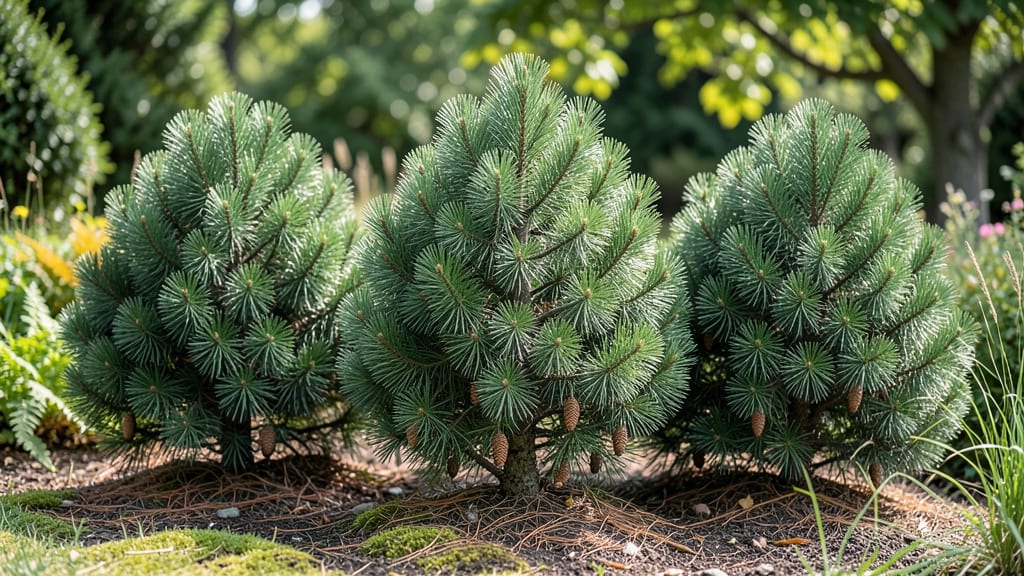
Mugo pine height by variety: dwarf vs standard growth charts
Mugo pines are one of the most versatile evergreens for gardens, but their mature height can range from 1 foot to 6 feet depending on the variety.
Understanding these differences helps you choose the perfect size for your landscape design—whether you need a dwarf hedge or a taller specimen plant. Below, I’ve broken down the most popular Mugo pine varieties by height, growth rate, and ideal spacing.
For example, the 'Slowmound' variety stays compact at just 1–2 feet, making it ideal for rock gardens or container planting. On the other hand, the 'Pumilio' can reach 3–5 feet, perfect for creating a low-maintenance privacy screen.
Let’s dive into the specifics so you can pick the right fit for your space.
🌲 Pro Tip: Always check the nursery label for exact height expectations, as some varieties can vary slightly based on growing conditions.
| Variety | Mature Height (ft) | Growth Rate (in/year) | Ideal Spacing (ft) | Best For |
|---|---|---|---|---|
| 'Slowmound' | 1–2 | 2–4 | 2–3 | Containers, rock gardens |
| 'Mops' | 2–3 | 3–5 | 3–4 | Ground cover, borders |
| 'Pumilio' | 3–5 | 4–6 | 4–5 | Hedges, specimen plants |
| 'Globe' | 2–3 | 2–4 | 3–4 | Accent plants, containers |
| 'Hoopsii' | 4–6 | 5–7 | 5–6 | Privacy screens, tall hedges |
| 'Blue Rug' | 1–2 | 2–3 | 2–3 | Ground cover, slopes |
| 'Carsten' | 3–4 | 3–5 | 3–4 | Borders, low hedges |
*Growth rates can vary based on climate and soil conditions.
If you’re planning a hedge, spacing is critical. For example, planting 'Pumilio' Mugo pines 4–5 feet apart ensures they fill in without overcrowding. In contrast, dwarf varieties like 'Slowmound' can be spaced just 2–3 feet apart for a dense, low-profile look.
Always leave extra room if you plan to prune them into a specific shape.
Another key factor is growth rate. Dwarf varieties like 'Mops' grow just 2–4 inches per year, while taller types like 'Hoopsii' can add 5–7 inches annually.
This means a 'Hoopsii' will reach maturity in about 10 years, while a 'Slowmound' may take only 5 years to fill out. Plan accordingly if you’re working with a tight timeline!
For container gardening, stick to dwarf or semi-dwarf varieties like 'Globe' or 'Blue Rug'. These thrive in pots and can be moved around your patio or balcony to create seasonal interest. Just ensure the container has drainage holes and use a well-draining potting mix to prevent root rot.
🌱 Did You Know? Mugo pines grow slower in shady conditions but can handle partial shade better than many other evergreens. If your garden is low-light, expect slightly slower growth but still reliable performance.
How to choose the right Mugo pine height for your landscape design
Selecting the perfect Mugo pine for your garden isn’t just about aesthetics—it’s about matching the variety’s mature height to your space and design goals.
A 3-foot 'Slowmound' won’t make the same impact as a 6-foot 'Pumilio', and planting them in the wrong spot can lead to overcrowding or wasted potential.
Let’s break down how to pick the ideal height for your landscape, whether you’re creating a privacy hedge, a container specimen, or a garden focal point.
Start by measuring your garden’s available space. For dwarf varieties like 'Mops' or 'Pumilio Compact,' aim for at least 3 feet of clearance above and around the plant to avoid blocking sunlight or airflow.
These types thrive in containers or small beds, making them perfect for patios, window boxes, or rock gardens. If you’re designing a low hedge, dwarf Mugo pines create a lush, year-round green barrier without overwhelming smaller areas.
🌲 Key Takeaway: Height by Purpose
- Dwarf (1–3 ft): Containers, small hedges, rock gardens
- Semi-Dwarf (3–5 ft): Mid-height hedges, border plants
- Standard (4–6 ft): Focal points, privacy screens, larger hedges
Choose based on your garden’s scale and sunlight exposure to maximize impact.
For larger spaces, standard Mugo pines like 'Glauca Globosa' or 'Pumilio' can reach 6 feet or taller, making them ideal for privacy screens or backyard focal points. When planting these varieties, space them 5–8 feet apart to allow for full growth without competition.
If you’re using them as a windbreak, stagger the planting in a staggered row to create a denser barrier over time.
Sunlight exposure plays a critical role in height control. While Mugo pines tolerate partial shade, they grow most slowly in low-light conditions, which can stunt their height.
If you’re planting in a shady spot, opt for a dwarf variety to avoid disappointment—standard types may struggle to reach their full potential. Conversely, in full sun, expect faster growth, especially in warmer climates like USDA Zones 6–8.
Avoid common mistakes like planting standard Mugo pines too close together, which can lead to crowded, leggy growth and poor airflow. Always check the mature height range on the nursery tag and leave extra space for pruning flexibility.
If you’re unsure, err on the side of more space—you can always prune back later, but you can’t add height once planted.
Pro tip: Use dwarf varieties in containers for flexibility. You can move them seasonally to brighten up patios or balconies, or group them in clusters for a mini forest effect.
For a naturalistic look, mix heights—plant a taller standard type as a centerpiece surrounded by dwarf varieties for texture and contrast.