
Trees
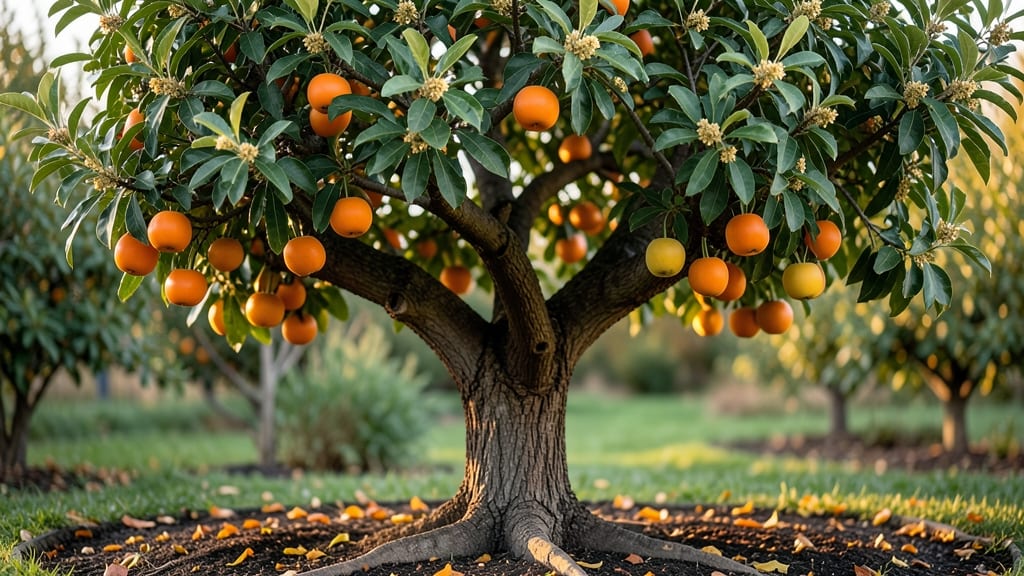
If you're dreaming of growing a Persimmon Tree 🍑 but worried about how tall these trees can grow, turning your yard into a jungle, you're not alone. The height of these trees varies dramatically—some stay compact enough for small gardens, while others reach towering heights that need serious space.
Knowing the difference could mean the perfect fit for your landscape or a frustrating misfit that crowds out your favorite plants.
Standard varieties can shoot up to 50 feet, making them more suited for rural properties than urban backyards. But don’t count them out yet—dwarf and semi-dwarf types stay under 15 feet, offering the same sweet rewards without the space commitment.
Whether you're planning a cozy orchard or just want a few trees for shade and fruit, understanding these growth patterns is the key to making it work.
In this guide, I’ll break down exactly how tall different persimmon varieties grow, share space-saving tips for small yards, and help you pick the right tree for your garden.
You’ll learn how to manage growth naturally, choose the best spot, and even train your tree to fit your space—without sacrificing fruit production.
Ready to grow a persimmon that actually works for your yard? Let’s get started with the varieties that’ll give you the most bang for your buck—no matter how tight your space.

Persimmon tree height by variety: dwarf to standard sizes compared
Persimmon trees come in a stunning range of sizes, from compact dwarf varieties perfect for small yards to towering standard trees that need ample space. The height of your persimmon depends entirely on the variety you choose, with some reaching 50 feet tall while others stay under 15 feet.
Knowing these differences helps you plan your garden layout and avoid overcrowding.
For example, the Fuyu persimmon is a popular Asian variety that typically grows to 12-15 feet tall, making it ideal for backyard orchards or large containers.
On the other end of the spectrum, the American persimmon varieties like Meader can soar up to 50 feet, requiring significant yard space. Let’s break down the most common varieties by their mature heights.
🌱 Visual Comparison: Imagine a Fuyu persimmon reaching just above your garage door, while a Meader persimmon towers like a small oak tree. This visual helps when planning where to plant!
| Variety | Type | Mature Height | Growth Rate | Space Needs |
|---|---|---|---|---|
| Fuyu | Asian (non-astringent) | 12-15 ft | Moderate (1-2 ft/year) | Small to medium yard |
| Hachiya | Asian (astringent) | 20-30 ft | Moderate (1-2 ft/year) | Medium to large yard |
| Meader | American | 30-50 ft | Fast (2-3 ft/year) | Large yard or orchard |
| Tennessee Red | American (dwarf) | 10-15 ft | Slow to moderate (1 ft/year) | Small yards or containers |
| Eureka | td style="padding: 8px; border-bottom: 1px solid #4e8253;">Hybrid15-25 ft | Moderate (1-2 ft/year) | Medium yard |
The Tennessee Red is one of the best choices for small spaces, often staying under 15 feet tall while still producing abundant fruit. Meanwhile, Meader persimmons grow aggressively and need at least 30 feet of clearance, making them better suited for rural properties or orchards.
Always check the mature height of your chosen variety before planting to avoid future pruning headaches.
Another key factor is the growth rate. Faster-growing varieties like Meader can add 2-3 feet per year, while slower growers like Tennessee Red may only gain 1 foot annually. This affects how quickly your tree will reach its mature height and start bearing fruit.
For example, a Fuyu persimmon might take 3-5 years to reach its full height, while a Meader could do so in half that time.
If you're growing persimmons in containers, opt for dwarf varieties like Fuyu or Tennessee Red. These can thrive in large pots (at least 24-inch diameter) and be moved around your patio or balcony.
Just remember that container-grown trees will always stay smaller than their in-ground counterparts, typically reaching 50-75% of their mature height.
For those in USDA zones 6-10, climate also plays a role in height. Cooler zones may see slightly slower growth, while warmer climates can accelerate it. For instance, a Hachiya persimmon in zone 8 might grow taller and faster than one in zone 6.
Always consider your local climate when selecting a variety to ensure it thrives in your specific conditions.
Pruning can also influence the height of your persimmon tree. Regular pruning in early spring helps control growth and encourages a fuller, bushier shape. For standard varieties, aim to prune 10-20
5 Space-saving techniques to grow persimmons in small yards
If your yard is more postage-stamp than pasture, don’t let limited space stop you from growing persimmons. With the right techniques, you can enjoy homegrown fruit without sacrificing your lawn—or your sanity.
The key is choosing dwarf varieties and using smart training methods to keep growth manageable. Even in tight spaces, persimmons can thrive with a little creativity.
One of the easiest ways to save space is by pruning strategically. Regular pruning not only controls height but also encourages a bushier shape, which produces more fruit in less vertical space.
For example, keeping a Fuyu persimmon pruned to 8-10 feet makes it perfect for small backyards or even large containers. Just remember: prune in late winter or early spring before new growth begins.
🌱
5 Space-Saving Techniques for Persimmons
- 1. Espalier Training: Train branches flat against a fence or wall to grow horizontally. Ideal for dwarf varieties like 'Tennessee Red' (10-15 ft).
- 2. Container Gardening: Use large pots (15+ gallons) for dwarf persimmons. Choose fast-draining soil with compost for best results.
- 3. Central Leader Pruning: Maintain a single main stem with lateral branches for a compact tree shape. Reduces height by 30-50%.
- 4. Pollard Pruning: Cut back branches to stubs to encourage bushier growth. Works well for standard varieties in tight spaces.
- 5. Companion Planting: Pair persimmons with low-growing plants like strawberries or herbs to maximize ground space.
For those with truly limited space, container gardening is a game-changer. Dwarf persimmon varieties like 'Meader' or 'Fuyu' can thrive in large containers (at least 18 inches in diameter) if given proper care.
Just ensure the pot has drainage holes and use a well-draining soil mix with compost. Place containers in full sun and water deeply when the top inch of soil feels dry.
Another clever trick is espalier training, where you shape the tree to grow flat against a fence or trellis. This method not only saves space but also creates a stunning vertical garden feature.
Start training young trees by gently bending branches and securing them with soft ties. Over time, the tree will grow in the desired shape, producing fruit along the horizontal branches.
Don’t forget about companion planting to make the most of your space. Persimmons pair well with plants that benefit from their shade, like lettuce or spinach, while repelling pests.
Mulching around the base of your tree with wood chips or straw helps retain moisture and suppresses weeds, keeping your small yard tidy and productive.
With these techniques, even the tiniest yard can accommodate a persimmon tree—without turning your garden into a jungle. Start small, experiment with different methods, and soon you’ll be harvesting sweet, homegrown persimmons in no time. 🌿