
How To
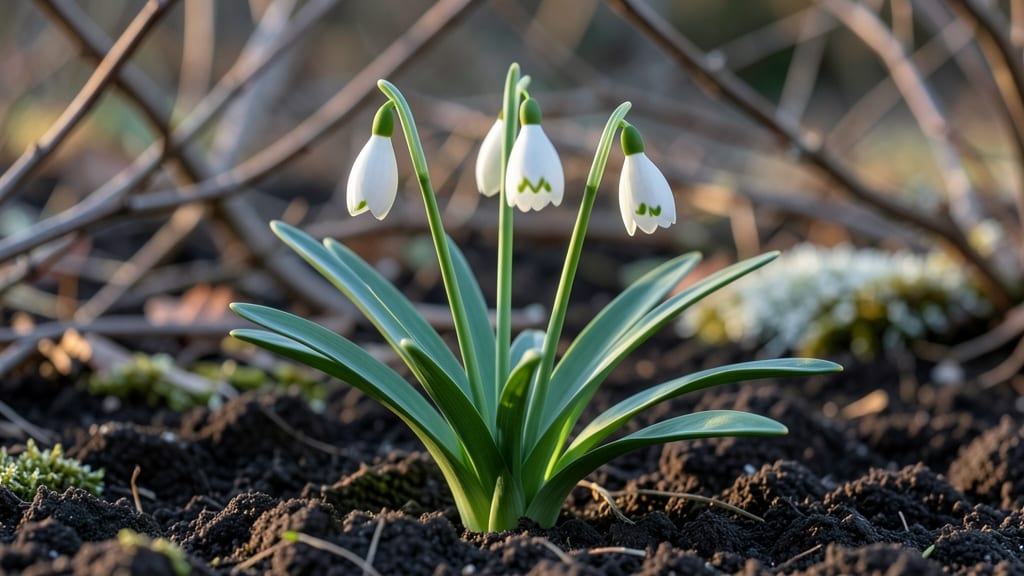
Snowdrop height by variety: from miniature dwarfs to towering giants
Understanding snowdrop height is essential for creating a garden that showcases their early spring beauty without overcrowding. Most Galanthus varieties stay compact, but some varieties can reach surprising heights—up to 18 inches in rare cases.
The height you can expect depends on the specific cultivar, soil conditions, and sunlight exposure. For example, the classic Galanthus nivalis typically stays between 4–6 inches, while Galanthus elwesii can tower to 12–18 inches. Knowing these differences helps you plan where to plant them for maximum impact.
Dwarf snowdrops, like Galanthus plicatus or Galanthus woronowii, are perfect for woodland gardens or under trees where space is limited. These varieties rarely exceed 6 inches in height, making them ideal for ground cover or pairing with low-growing heathers or ferns.
On the other hand, taller varieties like Galanthus peshmenii or Galanthus rizeensis can add vertical interest to borders or perennial beds, especially when planted in clusters.
Here’s how snowdrop heights break down by category to help you choose the right varieties for your garden design:
| Variety | Height Range | Growth Habit | Best For |
|---|---|---|---|
| Galanthus nivalis | 4–6 inches | Clumping | Woodland gardens, under trees |
| Galanthus plicatus | 3–5 inches | Spreading | Rock gardens, borders |
| Galanthus woronowii | 4–6 inches | Clumping | Shady borders, containers |
| Galanthus elwesii | 12–18 inches | Tall clumps | Focal points, borders |
| Galanthus peshmenii | 9–12 inches | Clumping | Perennial beds, mixed borders |
| Galanthus rizeensis | 6–9 inches | Spreading | Woodland edges, shade gardens |
The height range of snowdrops isn’t just about aesthetics—it also affects how visible their blooms are. For instance, Galanthus elwesii, with its towering 12–18-inch stems, makes a bold statement in early spring, while Galanthus plicatus may require a closer look to appreciate its delicate flowers.
If you’re planting snowdrops in a shady garden, taller varieties like Galanthus peshmenii can help draw the eye upward, creating a sense of depth. For container gardening, stick to dwarf varieties to avoid overcrowding.
Another key factor is how snowdrops spread over time. Some varieties, like Galanthus woronowii, form dense clumps, while others, such as Galanthus rizeensis, spread more gradually. This growth habit influences how often you’ll need to divide snowdrops—typically every 3–5 years—to maintain their vigor and prevent overcrowding.
If you’re planting snowdrops in a woodland garden, their natural spreading habit can create a carpet of early spring color.
For gardeners in USDA Zone 6a or colder, choosing the right height also means considering how snowdrops will interact with other plants as they emerge. Taller varieties like Galanthus elwesii can peek through deciduous foliage in late winter, while dwarf types may blend seamlessly under evergreen shrubs.
Pairing snowdrops with early bloomers like crocuses or hepaticas can extend your garden’s seasonal interest, especially if you mix heights for a layered effect.
One common mistake is assuming all snowdrops stay short. While most varieties are indeed dwarf perennials, some hybrids or less common species can reach surprising heights. For example, Galanthus peshmenii often exceeds 9 inches, making it a great choice for border planting where you want to add structure
How snowdrop height affects garden design: placement tips for year-round impact
Snowdrop height isn’t just about aesthetics—it’s the secret to creating a visually balanced garden that thrives year-round. Dwarf varieties like Galanthus plicatus (4–6 inches) disappear under trees, while Galanthus elwesii (12–18 inches) command attention as focal points.
Understanding these differences lets you design layers that extend seasonal interest from early spring to late winter.
Start by grouping short snowdrops (4–6 inches) under deciduous trees or shrubs, where their delicate blooms peek through leaf litter. This mimics their natural woodland habitat while keeping them protected from harsh winds.
For example, pair Galanthus nivalis with Hellebores or Lungwort to create a low-growing carpet that blooms in succession.
🌱 Snowdrop Placement by Height
- 🌿 Dwarf (4–6"): Under trees, rock gardens, or near hostas for shade.
- 🌳 Mid-Height (6–9"): Border edges, perennial beds, or mixed with crocuses.
- 🌺 Tall (9–12"+): Focal points, woodland gardens, or near ferns for contrast.
Mid-height snowdrops (6–9 inches), such as Galanthus rizeensis, thrive in border gardens where they can bridge gaps between bulbs and perennials. Plant them in clusters of 5–7 bulbs to create a naturalistic drift that echoes their wild counterparts.
For example, combine them with Alliums or Daffodils to ensure continuous color from late winter to early spring.
Taller snowdrops like Galanthus peshmenii (12–18 inches) deserve center-stage placement in your garden. Use them to anchor shady corners or line pathways where their arching stems and nodding blooms catch the eye. Pair them with evergreen ferns or boxwood hedges to provide year-round structure and contrast their ephemeral beauty.
To maximize impact, layer snowdrops by bloom time as well as height. Plant early bloomers like Galanthus woronowii (4–6 inches) in October–November, followed by mid-season types like Galanthus 'S. Arnott' (8–10 inches) in December–January.
This ensures a staggered display that keeps your garden lively from late winter through early spring.
Finally, avoid overcrowding by spacing bulbs 4–6 inches apart—this prevents competition and allows foliage to store energy for next year’s blooms. Mulch with leaf mold or compost to retain moisture and suppress weeds, while also protecting dwarf varieties from harsh winter winds.