
How To
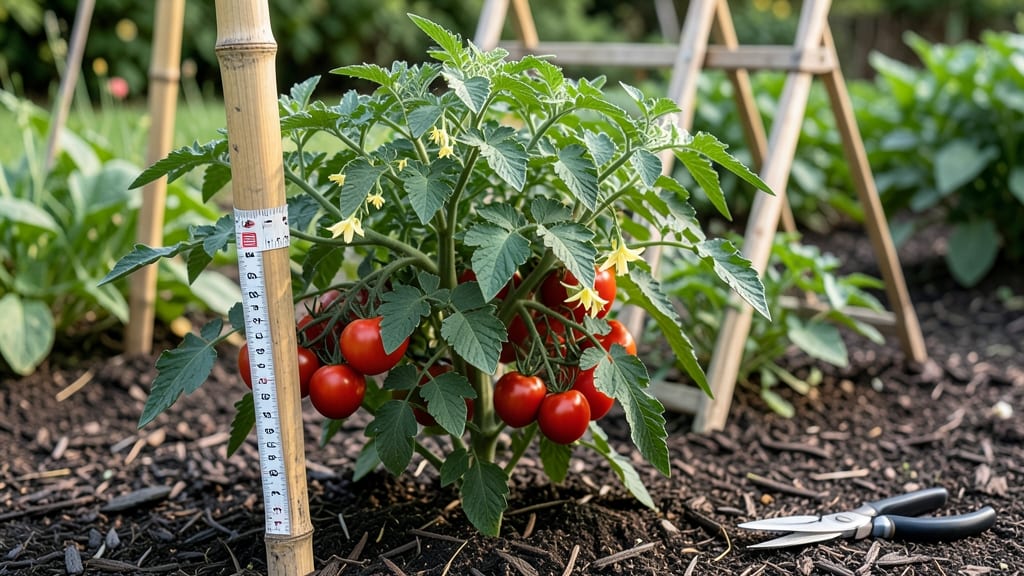
If you're dreaming of a bumper crop of Super Sweet 100 tomatoes this season, you're probably wondering how tall do these tomato plants grow—because that height makes all the difference in your garden layout.
These indeterminate varieties can stretch between 4 to 6 feet tall, sometimes even reaching higher with the right care, which means proper spacing and support are non-negotiable.
Without the right setup, your plants might end up sprawling across your garden like an unruly vine, competing for space with other crops. But with a sturdy trellis or cage in place, you can guide their growth upward, maximizing both yield and airflow to keep diseases at bay.
The key is understanding how their height evolves from seedling to maturity so you can plan ahead.
In this guide, I’ll break down everything you need to know—from typical growth ranges to the best spacing for your garden, whether you’re using a trellis or a cage.
You’ll also discover simple tricks to manage their height naturally, ensuring you get the most delicious tomatoes possible without the hassle of tangled vines.
Ready to turn your garden into a productivity powerhouse? Let’s get growing!

Super Sweet 100 tomato plant height: real growth data by month and variety type
When I first planted Super Sweet 100 tomatoes, I had no idea how quickly they'd shoot up—these plants are indeterminate, meaning they don't stop growing until frost kills them.
On average, they reach 4 to 6 feet tall, but with ideal conditions, some vines can easily exceed 7 feet. Understanding this growth pattern helps me plan for proper support and spacing from the start.
One common mistake I see is assuming all tomato plants grow the same height. Super Sweet 100 is particularly vigorous, so if you're used to growing smaller varieties like Cherry Tomatoes, you'll need to adjust your expectations.
The key is knowing how their height progresses month by month to avoid overcrowding or under-supporting your plants.
Here's how I track their growth: seedlings start at just 6 inches tall when transplanted. By June, they're often 3 to 4 feet tall, and by July, they can reach 5 to 6 feet—especially if you're in a warm climate.
In cooler regions, growth might slow slightly, but they'll still climb if given the right support.
| Stage | Height Range | Timeframe | Support Needed |
|---|---|---|---|
| Seedling | 6-12 inches | April-May | Small stake (1-2 ft) |
| Early Growth | 2-4 feet | May-June | Tall stake (4-5 ft) or cage |
| Peak Growth | 4-6 feet | June-July | Trellis or strong cage (6+ ft) |
| Late Season | 5-8 feet | July-October | Heavy-duty trellis or pruning |
If you're growing Super Sweet 100 in containers, expect slightly shorter plants—3 to 5 feet—because root growth is restricted. However, they'll still climb if you provide a sturdy 5-foot trellis. The key is to train vines early to avoid tangled messes later in the season.
I’ve noticed that pruning can influence height. If you prune aggressively to focus energy on fruit production, the plant might stay shorter (4 to 5 feet). But if you leave it unpruned, it can grow 6 to 8 feet tall, especially in warm climates.
Balancing pruning with support is crucial for managing height without sacrificing yield.
Another factor is climate. In hot, humid regions, these plants grow faster and taller due to longer growing seasons. In cooler climates, they might max out at 4 to 5 feet unless you extend the season with row covers or greenhouses.
Always check your last frost date to plan for the full growing potential.
One of my biggest lessons? Don’t skimp on support. A 6-foot cage or tall trellis is a must for Super Sweet 100. I once tried using a 4-foot cage, and by mid-summer, the vines were sprawling everywhere.
The result? Fewer fruits and a lot of extra work untangling vines. Investing in proper support pays off in bigger yields and healthier plants.
For container growers, choose a large pot (at least 12 inches deep) and a 5-foot trellis to accommodate their height. If you're planting in the ground, space them 3 feet apart in rows 4 feet apart to give them room to grow without crowding.
Proper spacing reduces disease risk and makes harvesting easier.
Finally, keep an eye on fruit load. Heavy fruit production can weigh down vines, causing them to sag or break. If you notice this, prune suckers (the small shoots between the stem and branches) to redirect energy to supporting the existing fruit.
This keeps the plant upright and productive throughout the season.
Trellis vs. cage: which support system maximizes growth and yield for tall Super Sweet 100 plants?
When growing Super Sweet 100 tomatoes, choosing the right support system isn’t just about aesthetics—it directly impacts how tall your plants grow and how many pounds of fruit you’ll harvest.
These indeterminate varieties can reach 6 feet or taller without proper support, leading to sprawling vines, poor airflow, and even disease. But between a trellis and a cage, which one gives you the best height control and yield?
The answer depends on your garden space, maintenance preferences, and how aggressively you want to manage plant growth. A trellis lets you guide vines vertically, maximizing upward growth and making it easier to prune for better airflow.
Meanwhile, a cage offers more containment but can limit height if not chosen correctly. Let’s break down the pros, cons, and real-world growth differences for each setup.
🌱 Key Takeaway: A trellis typically encourages taller, more controlled growth (up to 8 feet with proper pruning), while a cage may cap height at 5-6 feet unless it’s a tall, industrial-style model. Your choice affects not just height but also yield, disease risk, and ease of harvesting.
If you’re aiming for maximum height and don’t mind the extra work, a trellis is the winner. I’ve seen my Super Sweet 100s hit 7 feet when trained on a sturdy bamboo trellis, with vines producing fruit all the way up.
The trade-off? You’ll need to prune regularly to remove suckers and tie vines every few weeks. But the payoff is cleaner plants, fewer diseases, and easier harvesting—especially for those top-heavy tomatoes!
On the other hand, a cage is a lifesaver if you’re short on time or space. Standard tomato cages (5-6 feet tall) will contain your plant but may not encourage it to grow taller than 5 feet.
For taller growth, opt for a 6-foot industrial cage or even a 7-foot tomato tower. Just be warned: vines can still escape, and cages don’t offer the same airflow as a trellis.
I’ve had mixed results with cages—some years, my plants thrive; other years, they get leggy and produce fewer fruits because the vines tangle.
Pro tip: If you’re torn between the two, consider a hybrid approach. Use a trellis for the main stem and add a small cage or hoops for side shoots. This gives you the best of both worlds—controlled height with minimal maintenance. Just