
Plants
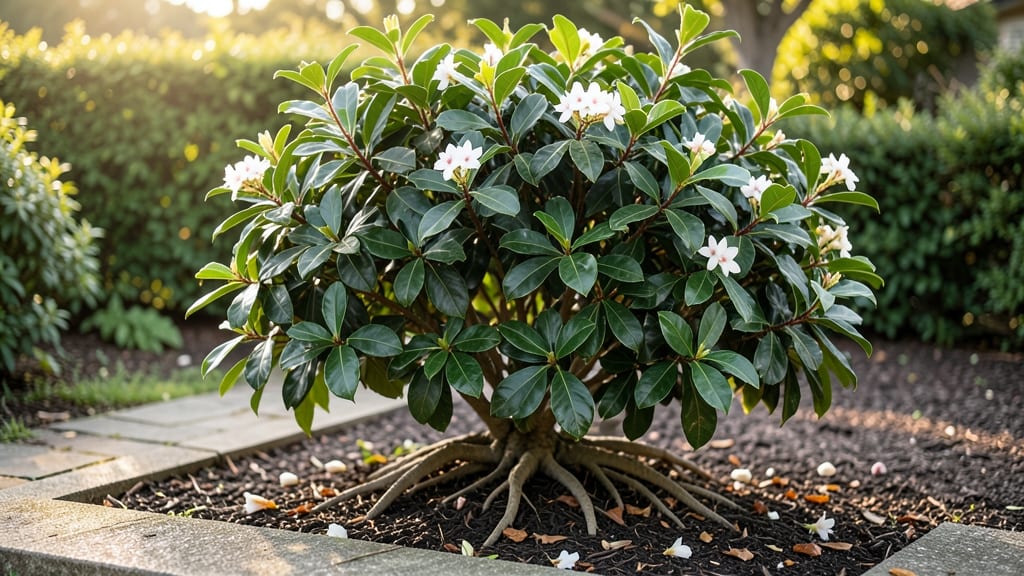
Wondering how tall does a coffee plant grow before it becomes a full-blown jungle in your backyard? ☕ If you're daydreaming about homegrown coffee but worried about space, you're not alone—some varieties stay small enough for pots, while others grow tall enough to shade your entire patio.
The height of your coffee plant depends entirely on the variety you choose. Coffea arabica, the classic choice, typically reaches 10-20 feet if left unpruned, while dwarf varieties like 'Nana' stay under 6 feet—perfect for containers.
Even in ideal USDA zones 10-12, proper pruning can keep your plant manageable.
For home growers, the key is matching your space to the right type. Whether you're working with a sunlit balcony or a shaded corner of your garden, we'll break down which varieties fit where—and how to control their growth so they don't outpace your plans.
Ready to turn your coffee obsession into a thriving plant? Let's explore the height ranges, care tips, and space-saving tricks that make growing coffee at home both rewarding and realistic.

Coffee plant height by variety: compact vs. tall-growing types
Coffee plants come in a stunning range of heights, from dwarf varieties perfect for indoor pots to towering trees reaching 30 feet outdoors. The height you’ll experience depends entirely on the variety you choose and how you manage its growth.
Let’s break down the most popular types so you can pick the perfect fit for your space.
Most coffee plants belong to two main species: Coffea arabica (Arabica) and Coffea canephora (Robusta), with Liberica being a rarer third option. Arabica varieties tend to be more compact, while Robusta and Liberica can grow significantly taller.
Even within these species, dwarf and semi-dwarf cultivars exist to suit smaller gardens or containers.
Here’s how the most common varieties stack up in terms of mature height, along with their ideal growing conditions:
| Variety | Mature Height | Growth Type | Ideal Climate | Best For |
|---|---|---|---|---|
| Arabica (e.g., Bourbon, Typica) | 6–12 ft | Dwarf to Semi-Dwarf | Tropical/Subtropical (USDA 10-12) | Containers, Small Gardens |
| Arabica (e.g., Geisha, Pacamara) | 10–15 ft | Semi-Dwarf | Tropical/Subtropical (USDA 10-12) | Medium-Sized Yards, Balconies |
| Robusta (e.g., Congo, Uganda) | 15–25 ft | Standard | Tropical (USDA 10-12) | Outdoor Gardens, Large Pots |
| Liberica (e.g., Variegated) | 20–30 ft | Tall Tree | Tropical (USDA 10-12) | Large Outdoor Spaces |
| Dwarf Arabica (e.g., 'Nana') | 3–6 ft | Dwarf | Indoor/Outdoor (USDA 10-12) | Indoor Pots, Small Balconies |
If you’re growing coffee plants indoors or in containers, focus on dwarf Arabica varieties like 'Nana' or 'Bourbon'. These stay under 6 feet tall and thrive in large pots (15+ gallons) with bright, indirect light.
For outdoor gardens, semi-dwarf varieties like 'Geisha' offer a balance—reaching 10–15 feet while remaining manageable with pruning.
Robusta and Liberica varieties are best suited for outdoor cultivation in warm climates. Without pruning, they can easily surpass 20 feet, making them more suitable for rural or large estate gardens.
If you’re in a small urban space, these tall varieties will need regular pruning to stay within bounds.
One key factor influencing height is pruning frequency. Coffee plants naturally grow as multi-stemmed shrubs or small trees, but aggressive pruning can keep them bushier and shorter.
For example, Arabica varieties left unpruned may grow 10–12 feet tall, while the same variety pruned annually can stay under 8 feet. This flexibility makes coffee plants adaptable to almost any space—if you’re willing to put in the effort!
Climate also plays a role in height. Coffee plants grown in warmer, frost-free zones (USDA 10-12) will grow faster and taller than those in cooler microclimates. If you’re in a milder zone, like parts of Florida or Hawaii, expect your plants to reach their maximum potential height.
In container gardening, root-bound plants may grow slower but can still reach half their outdoor height with proper care.
For first-time growers, I recommend starting with a dwarf Arabica variety. They’re forgiving, produce high-quality beans, and fit easily into indoor setups or small balconies. Plus, their manageable height means you won’t need to worry about outgrowing your space in just a few years.
Just remember: even dwarf varieties need regular pruning to maintain their compact form.
🌱
How to control coffee plant height: pruning and growth tips
Managing the height of your coffee plant is key to keeping it within your space limits, whether you’re growing it indoors or outdoors. Without proper care, even dwarf varieties can outgrow their containers, while standard varieties may become unruly.
The good news? Pruning and strategic training can keep your plant at your desired height while encouraging bushier, more productive growth.
Start by understanding your plant’s natural growth habit. Coffee plants grow vertically with a single main stem unless pruned. By pinching back the tips of new growth, you encourage lateral branches to form, creating a fuller, shorter plant.
This technique is especially useful for indoor coffee plants where space is limited.
For outdoor coffee plants, regular pruning helps maintain airflow and sunlight penetration, reducing the risk of fungal diseases. Aim to prune in late winter or early spring, just before the growing season kicks off.
Remove any dead, diseased, or crossing branches first—this keeps the plant healthy and focused on new growth.
🌱 Comparison of Pruning Methods
If you’re aiming for a bonsai-style coffee plant, regular pruning combined with root restriction in containers is essential. Use well-draining soil and a pot with drainage holes to prevent root rot, which can stunt growth. Repot every 2-3 years to refresh the soil and encourage new root development.
For outdoor coffee plants, consider installing a trellis or support structure to guide vertical growth. This not only controls height but also makes harvesting easier.
Prune any suckers or water sprouts that grow at the base of the plant—they divert energy away from fruit production and can make the plant leggy.
Finally, remember that coffee plants thrive in partial shade. If your plant is growing too tall too quickly, it might be getting too much direct sunlight.
Adjust its position to receive 6-8 hours of filtered light daily, especially in hot climates. This slows vertical growth while keeping the plant healthy and productive.