
How To
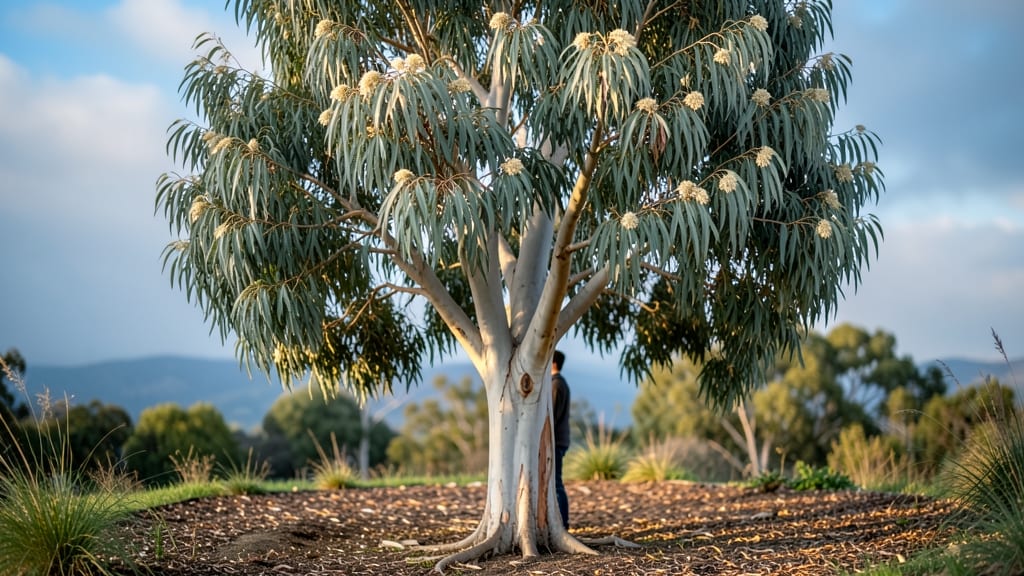
If you're dreaming of a towering eucalyptus tree in your yard, you might be surprised to learn how tall a eucalyptus tree grows—some varieties can reach heights taller than a 10-story building, while others stay compact enough for even small gardens.
Understanding this key detail is essential for choosing the right species, whether you want a privacy screen or a striking focal point.
The eucalyptus family is incredibly diverse, with heights ranging from 10 feet for dwarf varieties to over 300 feet for giants like Eucalyptus regnans.
In USDA Zone 6, where spring planting is ideal, growth rates vary dramatically—some species shoot up 3-5 feet per year, while others grow just 1 foot annually. That means your choice today could determine whether you're pruning branches at eye level or calling a crane in a decade.
Before you plant, consider more than just height—root spread, pruning needs, and even local height restrictions can turn a beautiful tree into a headache. I’ll break down the fastest-growing species, spacing requirements, and practical tips to keep your eucalyptus under control while still making a stunning impact. Let’s get started.
Whether you’re a first-time gardener or a seasoned pro, knowing these details will help you avoid costly mistakes and create a landscape that thrives for years. Ready to pick the perfect eucalyptus for your space?

Eucalyptus tree height by species: from small shrubs to 300-Foot giants
Choosing the right eucalyptus tree for your space starts with understanding their dramatic height variations. Some varieties stay compact at 10 feet, while others shoot up to 300 feet—taller than a 10-story building!
The species you pick will determine whether your eucalyptus thrives in a container garden or needs an acre of land to stretch its legs.
Native to Australia, eucalyptus trees have adapted to thrive in USDA Zones 8-11, but some cold-hardy varieties like Eucalyptus pauciflora can survive down to Zone 6 with protection. Always check your local climate before planting—tropical species won’t tolerate frost, while mountain gums handle cooler temps.
Here’s how the most popular species compare in height and growth habits to help you pick the perfect fit for your yard or patio:
| Species | Mature Height | Growth Rate (ft/year) | Best For | Notes |
|---|---|---|---|---|
| Eucalyptus globulus (Coastal Blue Gum) | 150–300 ft | 3–5 ft | Large estates, parks | Fastest-growing; needs space! |
| Eucalyptus regnans (Mountain Ash) | 300–350 ft | 4–6 ft | Forests, not backyards | World’s tallest flowering tree |
| Eucalyptus pauciflora (Snow Gum) | 20–40 ft | 1–2 ft | Cold climates, containers | Tolerates frost; slow grower |
| Eucalyptus gunnii (Cider Gum) | 30–50 ft | 2–3 ft | Mediterranean climates | Drought-resistant; great for hedges |
| Eucalyptus cinerea (Argyle Apple) | 10–20 ft | 1–2 ft | Small yards, containers | Edible fruit; compact size |
| Eucalyptus risdonii (Risdon Peppermint) | 15–25 ft | 2–3 ft | Patio trees, urban gardens | Fragrant leaves; slow to moderate |
| Eucalyptus vernicosa (Tasmanian Blue Gum) | 40–60 ft | 2–4 ft | Large gardens, privacy screens | Tolerates poor soil |
| Eucalyptus viminalis (Manna Gum) | 60–100 ft | 3–5 ft | Rural properties, windbreaks | Fast-growing; needs space |
| Eucalyptus parvula (Cider Gum) | 10–15 ft | 1 ft | Dwarf varieties, containers | Slowest grower; ideal for small spaces |
| Eucalyptus urnigera (Tasmanian Blue Gum) | 50–70 ft | 2–3 ft | Coastal gardens, large landscapes | Salt-tolerant; great for windy areas |